
Plants
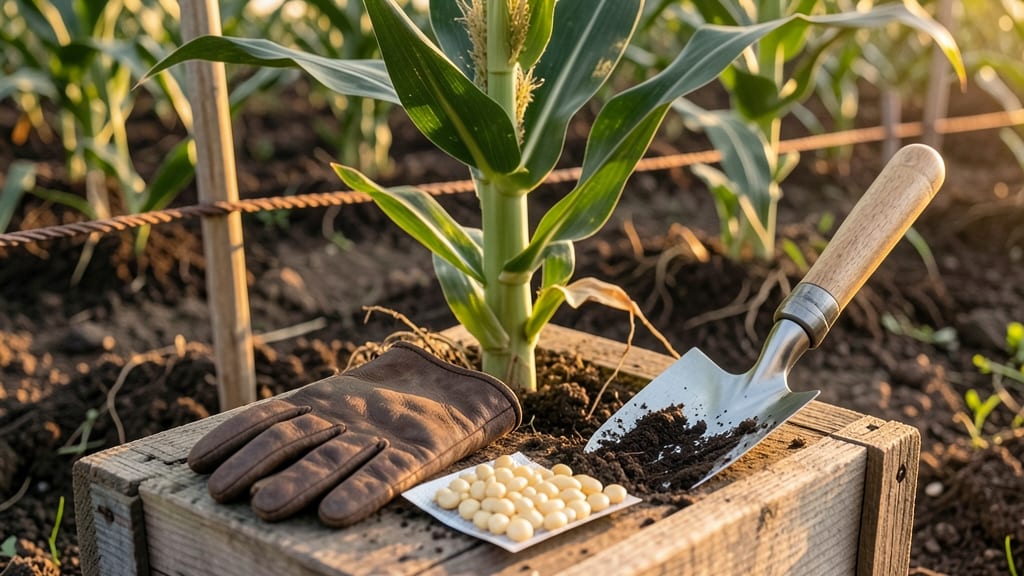
Knowing when to plant corn in West Virginia can make or break your harvest—get it wrong, and you might end up with stunted 🌽 stalks or worse, no corn at all.
The good news? With the right timing, you can enjoy sweet, juicy ears straight from your garden by late summer.
West Virginia’s Zone 6 climate means you’ve got a narrow window—typically between mid-April and mid-May—to get those seeds in the ground. But here’s the catch: soil temperature matters just as much as the calendar.
Corn needs warm soil, ideally 60°F or higher, to sprout properly, so rushing too early can leave your plants vulnerable to frost.
Whether you’re a first-time gardener or a seasoned pro, this guide will walk you through the exact steps to time your planting perfectly. We’ll cover everything from adjusting for microclimates to avoiding common mistakes that trip up even experienced growers.
Ready to grow corn like a local? Let’s dive into the frost-date secrets that’ll help you turn your garden into a thriving cornfield by harvest season.
West Virginia corn planting dates by frost zone 6 guidelines
West Virginia’s Zone 6 climate offers a 165-day frost-free window, perfect for growing sweet corn, field corn, and popcorn. But timing is critical—plant too early and face frost damage, too late and miss the harvest window.
Most gardeners aim for mid-April to mid-May, but your exact date depends on elevation and microclimates.
Corn thrives when soil temperatures hit at least 60°F and stay consistent. Use a soil thermometer to confirm—cold soil delays germination. In West Virginia, this typically aligns with late April to early May, but rural areas may warm faster than urban zones.
For sweet corn varieties (like 'Silver Queen' or 'Peaches and Cream'), plant 2-3 weeks after the last frost to avoid cold snaps. Field corn and popcorn can tolerate slightly cooler soils but still need warmth for germination. Always check your local NOAA frost predictions for precise dates.
Here’s a quick reference for West Virginia’s Zone 6 planting windows based on elevation:
| Elevation Zone | Last Frost Date | Ideal Planting Window | Soil Temp Requirement |
|---|---|---|---|
| Lowland (e.g., Charleston) | April 5–15 | Mid-April to early May | 60°F+ |
| Mid-Elevation (e.g., Morgantown) | April 10–20 | Late April to mid-May | 60°F+ |
| Highland (e.g., Elkins) | May 1–10 | Late April to early June | 65°F+ |
If you’re growing short-season varieties (like 'Early Sunglow'), plant by May 1 to ensure a harvest before frost. For longer-maturing varieties (e.g., 'Golden Bantam'), start seeds indoors 2–3 weeks before the last frost or direct-sow by mid-April in lowland areas.
West Virginia’s short growing season means succession planting is key. Stagger sowings every 2 weeks from April to June for a continuous harvest. Use black plastic mulch to warm soil faster in cooler areas, extending your planting window by 1–2 weeks.
For popcorn varieties, plant slightly later (mid-May) since they take 90–120 days to mature. Sweet corn, however, needs 60–80 days, so prioritize earlier plantings for peak flavor. Always choose disease-resistant varieties like 'Ambrosia' or 'Country Gentleman' to combat West Virginia’s humid summers.
Pro tip: Mark your calendar for June 15—this is the last safe date to plant for a late-summer harvest. After this, corn won’t have enough time to mature before the first frost in October.
Use a planting calendar or app like Gardenate to track your local frost dates annually.
Remember, soil temperature matters more than air temperature. Even if daytime temps feel warm, cool nights can stall germination. Test your soil with a thermometer at 4-inch depth—this is where corn roots need warmth to sprout. If it’s below 55°F, wait a few more days.
🌽
How to adjust corn planting for West Virginia’s microclimates
West Virginia’s Zone 6 climate isn’t one-size-fits-all—elevation changes and urban heat islands can shift your last frost date by weeks. High-elevation areas like Lewisburg (Zone 6a) may see frost lingering until May 1, while Charleston’s urban heat can push it back to April 15.
Always check local NOAA frost forecasts before planting.
Microclimates also affect soil warming. South-facing slopes warm faster, letting you plant earlier than flat areas. If your garden sits in a frost pocket (like a valley), wait until May 10 to avoid late frosts damaging tender seedlings.
Use a soil thermometer—corn needs 60°F soil for 10+ days before planting.
Urban gardeners face extra challenges: pavement and buildings create heat islands that can trick you into planting too early. If your city garden feels 5-10°F warmer than rural areas, adjust your schedule 2 weeks later than regional averages. For example, Morgantown’s urban gardens should aim for May 1 planting instead of April 15.
- High Elevation (3,000+ ft): Delay planting until May 10 to avoid late frosts (e.g., Davis, Elkins).
- Urban Heat Islands: Plant 2 weeks later than rural averages (e.g., Charleston, Huntington).
- South-Facing Slopes: Can plant 10-14 days earlier—soil warms faster (test with thermometer!).
- Frost Pockets (Valleys): Wait until May 1 or use row covers for early starts.
- North-Facing Gardens: Plant 1-2 weeks later—soil stays cooler longer.
For reliable adjustments, use NOAA’s Climate Data or local Cooperative Extension Service reports. In 2023, Parkersburg saw a 3-week earlier last frost than average—highlighting how year-to-year variability matters. If you’re unsure, start seeds indoors in March and transplant after May 1 for a buffer.
Container growers in West Virginia face unique challenges too. Pots warm up faster than soil but dry out quicker. Use black containers to absorb heat and plant 1 week earlier than ground plantings. Just ensure pots are at least 12 inches deep—shallow containers stunt root growth.
Final tip: Monitor your garden’s microclimate trends for 2-3 years. Keep a journal of frost dates, soil temps, and plant performance. Over time, you’ll spot patterns that let you fine-tune your schedule like a pro—because in West Virginia, one week can mean the difference between a bountiful harvest and a sad stalk.
🌱