
Plants
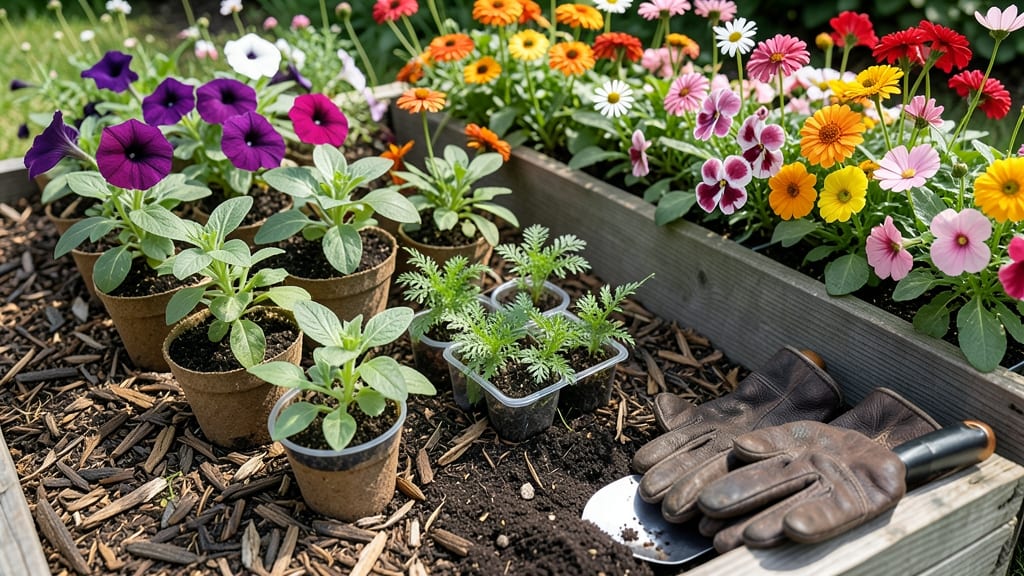
Timing your annuals planting in Massachusetts can make or break your garden's success—get it wrong, and you might end up with frost-killed 🌸 blooms or leggy, sad plants. The key is knowing your region's last frost date, which shifts from mid-April in Boston to early May in Western Massachusetts.
Whether you're dreaming of vibrant marigolds or a bumper crop of tomatoes, planting too early risks chilly soil damage, while waiting too long cuts your harvest short.
I've tested these strategies myself, and the difference between a thriving garden and a disappointment often comes down to just a few weeks of perfect timing.
In this guide, I'll break down exactly when to plant your favorite annuals—from cool-season pansies to heat-loving zinnias—so you can maximize your growing season. We'll also cover smart tricks like succession planting and row covers to stretch those 150-200 frost-free days we're lucky to get here.
Ready to turn your Massachusetts garden into a year-round showstopper? Let's dive into the exact planting windows that work for your specific zone, plus the plants that thrive in our unpredictable climate.
Massachusetts frost-free dates by region: when to plant annuals safely
Massachusetts' USDA Zones 5b-6b create distinct planting windows across its six regions, from the cooler coastal areas to the warmer inland valleys. Getting these dates right ensures your annual flowers and vegetables thrive without frost damage.
The last spring frost typically arrives between mid-April and early May, while the first fall frost hits mid-October to late October, depending on location.
For cool-season annuals like lettuce and pansies, you can start planting as early as late March in Zone 6b regions (e.g., western MA), but wait until mid-April in Zone 5b areas (e.g., coastal MA). Warm-season plants such as tomatoes and marigolds must wait until soil temperatures reach at least 50°F (10°C), usually after May 15 in most of the state.
Here’s how to navigate the regional variations and planting windows for both spring and fall plantings, ensuring your garden stays ahead of frost.
🌱
Understanding these regional frost dates helps you time your spring plantings just right. For example, Boston gardeners should wait until April 20 to plant warm-season annuals, while Pittsfield gardeners can start a week earlier thanks to their later frost dates.
Always check a local almanac or weather service for the most up-to-date frost predictions, as microclimates can shift dates by 1-2 weeks.
For fall plantings, aim to sow cool-season annuals like kale or radishes 4-6 weeks before your first frost.
This means late August for coastal areas and early September for inland regions. Heat-tolerant varieties, such as cosmos or zinnias, can often handle early fall frosts if planted in late summer.
Pro tip: Use row covers or cold frames to extend your fall planting window by 2-3 weeks, protecting tender plants from early
Best annual plants for Massachusetts seasons: cool vs. warm season planting guide
Massachusetts' short growing season means choosing the right annuals—and planting them at the perfect time—is essential. Cool-season plants like pansies and lettuce thrive in spring and fall, while warm-season favorites such as tomatoes and marigolds need our summer heat.
I've grown both in my own garden, and the difference in success is night-and-day when you match the plant to the season.
For cool-season annuals, start seeds indoors 6-8 weeks before your last frost date (usually late March to early April) or plant directly in early spring (March-April) and again in late summer (August-September).
These hardy plants tolerate light frosts, so they're perfect for stretching your season. Warm-season annuals, on the other hand, need soil temperatures above 50°F (10°C) and won't tolerate frost, so wait until after your last frost date (mid-April to late May) to plant them.
Here’s a quick guide to help you plan your annuals for Massachusetts’ unpredictable climate:
One of my favorite tricks is succession planting for warm-season crops like basil and bush beans. By planting new seeds every 2-3 weeks after the last frost, I’ve extended my harvest by nearly 6 weeks.
For example, I plant basil in early May, then again in late June, ensuring fresh herbs all summer long. This works especially well for fast-growing annuals like radishes or lettuce, which mature in just 30-40 days.
Don’t overlook fall planting either! Many annuals, like cosmos and calendula, thrive in our mild autumn weather. Plant them 4-6 weeks before your first frost (late August to early September) for a late-season burst of color.
I’ve had cosmos bloom well into October in my garden, adding beauty just as the leaves start changing. Just be sure to choose varieties labeled as cold-tolerant or late-blooming.
Finally, pay attention to soil temperature—it’s just as critical as air temperature. Use a soil thermometer to confirm your soil is at least 50°F (10°C) before planting warm-season annuals. I’ve learned the hard way that cool soil can stunt growth, even if the air feels warm.
For cool-season plants, aim for soil temps below 70°F (21°C) to prevent bolting (premature flowering).
With this guide, you’ll be well on your way to a garden bursting with color and flavor all season long—no frost-related disappointments in sight! 🌸