
Plants
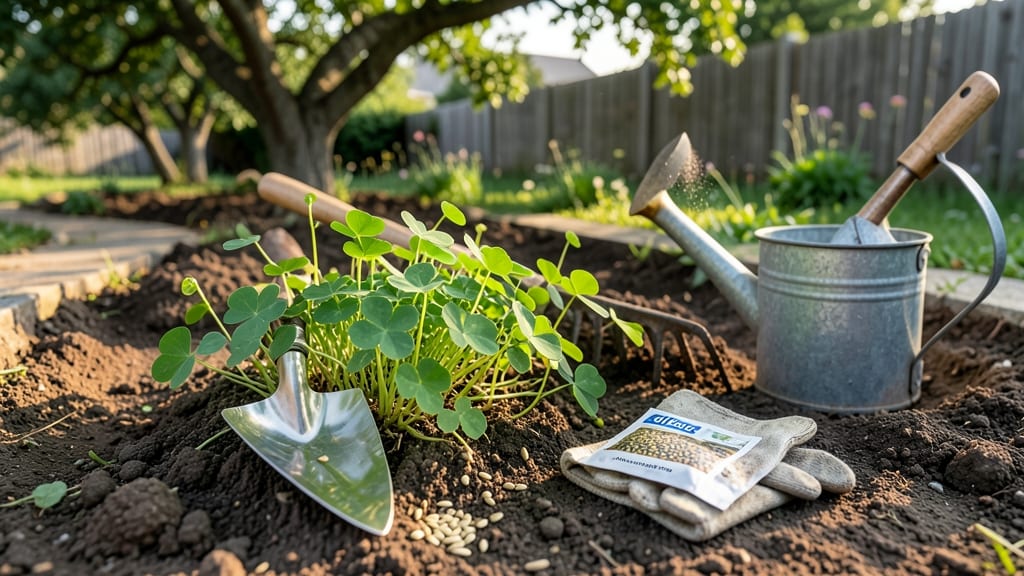
If you're wondering when to plant alfalfa in Texas, timing is the secret weapon that separates thriving fields from wasted seeds. Texas' 8a-10b climate zones might seem forgiving, but alfalfa 🌱 demands precision—especially when balancing frost risks and scorching summer heat.
Most Texas farmers swear by late winter to early spring planting (February-March), when soil temperatures hover around 50-60°F—perfect for germination. But don't overlook fall (September-October) as a viable backup, especially in southern Texas where frost arrives later.
The key? Planting before the first hard freeze or when daytime highs consistently hit 65°F.
Why does timing matter so much? Alfalfa's deep root system needs 60-90 days to establish before summer's brutal heat sets in. Miss the window, and you'll face stunted growth, poor yields, or even total crop failure—especially in North Texas where early freezes can sneak up in February.
I'll break down the exact planting schedule for your region, soil prep tips to avoid Texas' clay-heavy pitfalls, and how to adjust for drought or unexpected heatwaves. Let's get your alfalfa off to the strongest start possible.
Optimal planting windows for alfalfa in Texas regions
Alfalfa thrives in Texas' USDA zones 8a-10b, but planting timing varies dramatically across the state's three distinct regions. The North Texas Panhandle faces harsher winters, while South Texas enjoys longer growing seasons. Even Central Texas has microclimates that shift planting windows by weeks.
For maximum germination success, aim for soil temperatures between 60-70°F. In Texas, this typically aligns with late winter to early spring (February-March) or fall planting (September-October). However, regional frost dates create critical windows you can't miss.
North Texas (Amarillo, Lubbock) has last frost dates around February 15, making March 1-April 15 the ideal window. Central Texas (Austin, San Antonio) can plant February 15-March 30 due to milder winters, while South Texas (Corpus Christi, Brownsville) extends planting until April 15 thanks to warmer microclimates.
Fall planting offers a second chance for Texas growers. September-October provides cooler soil temperatures and reduced weed competition. However, North Texas should plant by October 15 to avoid early frosts, while South Texas can extend until November 1.
Always check local frost dates using the Texas A&M AgriLife Extension maps. These dates shift yearly—don't rely on historical averages alone. For example, 2023's early freeze caught many farmers off guard in Central Texas, wiping out unprotected alfalfa stands.
Pro tip: Use a soil thermometer to confirm temperatures before planting. Alfalfa seeds won't germinate below 50°F, and optimal growth requires 70°F+. In West Texas, afternoon soil temps can spike to 85°F+ by late spring—plant too early, and you'll stress young seedlings.
For container growing in urban Texas areas, extend your window by 2-4 weeks. Containers warm up faster and can be moved to shaded areas during heatwaves. Just ensure pots have drainage holes—alfalfa hates waterlogged roots.
Remember: Texas' erratic weather means flexibility is key. Have a backup planting plan ready for unexpected freezes or prolonged droughts. Next, we'll cover soil prep tricks to ensure your alfalfa gets off to the best start possible.
Optimal planting windows for alfalfa in Texas regions
Alfalfa thrives in Texas when planted during cool-season windows, avoiding both scorching summer heat and late frosts. The primary planting window is late winter to early spring (February-March), while a secondary window exists in fall (September-October).
Texas' diverse climate zones—from North to South—require tailored timing to ensure seed germination and strong root establishment.
In North Texas (USDA Zones 7b-8a), aim for February 15 to March 15 to avoid late frosts. South Texas (Zones 9a-10b) can plant as early as January 15 or in fall (September-October) for winter growth. Central Texas (Zones 8a-8b) follows a February-March schedule, balancing frost risk and soil warmth.
| Region | Primary Planting Window | Secondary Window | Soil Temp Requirement | Frost Risk |
|---|---|---|---|---|
| North Texas (7b-8a) | Feb 15 - Mar 15 | N/A | 50-60°F | High (late frosts) |
| Central Texas (8a-8b) | Feb 1 - Mar 10 | Sep 15 - Oct 15 | 55-65°F | Moderate |
| South Texas (9a-10b) | Jan 15 - Feb 15 | Sep 1 - Oct 31 | 60-70°F | Low |
Alfalfa seeds need consistent soil temperatures of 50-70°F for germination. Use a soil thermometer to confirm readiness—planting too early in cold soil delays sprouting. In North Texas, wait until soil temps stabilize above 50°F to avoid poor germination.
South Texas' warmer climate allows earlier planting, but avoid extreme heat (>85°F) which stresses young seedlings.
For fall planting, focus on September-October to establish roots before winter. This method works best in Central and South Texas, where mild winters reduce frost damage. In North Texas, fall planting is risky due to early frosts—opt for spring instead.
Always test soil pH (6.5-7.5) before planting, as Texas' clay-heavy soils often need lime amendments for optimal growth.
Microclimates play a key role—elevated areas warm faster than valleys, while urban heat islands can extend planting windows by 2-3 weeks. Monitor local frost dates (e.g., February 15 in Dallas, January 1 in Brownsville) and adjust timing accordingly.
Planting too late in spring risks heat stress before roots establish, while fall planting must finish root growth before first frost.
Pro tip: Use black plastic mulch in early spring to warm soil faster, or straw mulch in fall to retain moisture. These techniques help extend planting windows by 1-2 weeks in marginal conditions. Always prioritize well-drained soil—Texas' clay soils can become waterlogged, suffocating young alfalfa roots.