
Plants
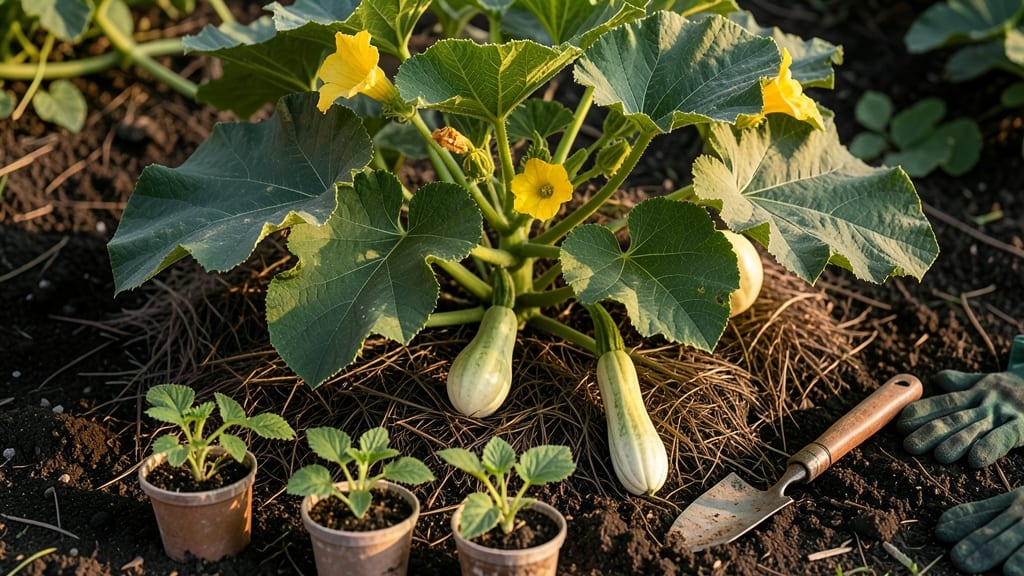
If you've ever wondered "when do you plant squash in Texas", the answer isn't one-size-fits-all—but getting it right means the difference between a thriving 🎃 harvest and wilted vines before they even take root.
Texas gardeners know spring planting requires patience, as soil must warm to at least 60°F before seeds sprout, while summer plantings demand heat-resistant varieties that can handle 100°F+ days without wilting.
The key is timing: March-May for spring plantings (after last frost) and July-August for summer crops, when black plastic mulch can help beat the heat.
But regional differences matter—North Texas's cooler springs contrast sharply with the Gulf Coast's earlier starts, so knowing your zone (8a-10b) is half the battle.
Beyond dates, success hinges on soil prep and variety selection. Heavy clay soils need amending, and choosing the right squash—like heat-tolerant 'Cocozelle' or disease-resistant 'Black Beauty'—can mean the difference between a bumper crop and a battle with vine borers.
Let's break down exactly how to time your plantings for maximum yield, no matter where in Texas you garden.
You'll learn how to read soil temperature cues, adjust for your microclimate, and even troubleshoot common pitfalls like stunted growth or blossom-end rot. With the right approach, Texas summers don't have to be a squash grower's nightmare—they can be your most productive planting window yet.
Best planting windows for squash in Texas by region (north vs. central vs. south)
Texas’s diverse climate means squash planting windows vary dramatically from the High Plains to the Gulf Coast. In North Texas, wait until mid-April after the last frost (typically February 15), while South Texas gardeners can start as early as late January.
Central Texas falls in between, with ideal planting in late March to early April.
Soil temperature is your biggest clue—squash seeds need 60°F+ soil to germinate. Use a soil thermometer to confirm readiness. In hotter regions like El Paso, summer planting (July-August) works if you use black plastic mulch to retain moisture and warmth.
Here’s how to align your planting with Texas’s three key regions, including frost dates and heat-resistant variety picks:
| Region | Last Frost Date | Ideal Planting Window | Soil Temp Trigger | Heat-Resistant Variety |
|---|---|---|---|---|
| North Texas (High Plains) | February 15 | Mid-April to May 15 | 60°F+ | 'Black Beauty' zucchini |
| Central Texas (Austin/San Antonio) | February 1 | Late March to April 30 | 65°F+ | 'Cocozelle' Italian squash |
| South Texas (Gulf Coast) | January 1 | Late January to March | 60°F+ (earlier with mulch) | 'Early Prolific Straightneck' |
| Summer Planting (All Regions) | N/A | July 15–August 15 | 70°F+ (with mulch) | 'Butternut' or 'Spaghetti' |
For North Texas, stick to spring planting—summer heat often causes blossom drop. Central Texas can attempt fall planting (September) for a second harvest, but watch for early frosts in October. South Texas’s longer growing season lets you double-crop with summer and fall plantings.
Pro tip: In dry regions, water seeds daily until germination (5–7 days). Use drip irrigation to avoid wetting leaves, which invites powdery mildew—a common Texas squash enemy.
Remember, Texas summers are unforgiving. If you plant in June, prioritize shade cloth and succulent varieties like ‘Gold Rush’ acorn squash, which handles heat better than most.
🌱
Soil warmth triggers and pre-planting tips to avoid common Texas squash failures
Squash seeds need warm soil to germinate—below 60°F, they rot in the ground. In Texas, this means waiting for late March to early May in most regions, but timing varies.
Use a soil thermometer to confirm temperatures before planting. Cold soil is the #1 reason squash fails in Texas gardens.
Texas soils, especially in clay-heavy areas like Central Texas, can stay cool too long. Amend beds with compost or aged manure 2-3 weeks before planting to speed up warming. For summer plantings, black plastic mulch raises soil temps by 10-15°F, helping seeds sprout faster in July heat.
🌱
Texas’s unpredictable spring weather—think 30°F mornings followed by 90°F afternoonsbiodegradable pots 2-3 weeks before your last frost date, then transplant when soil warms. Harden off seedlings by placing them outdoors for 2-3 hours daily for a week before moving them permanently.
Squash vine borers love Texas’s heat and humidity. Prevent infestations by applying diatomaceous earth around plant bases at transplanting. For extra protection, wrap aluminum foil around stems—this confuses borers and deters egg-laying. Rotate planting locations yearly to break pest cycles.
Watering matters too—overhead watering spreads fungal spores. Use drip irrigation or soaker hoses to deliver moisture directly to roots. Keep soil consistently moist (not soggy) during flowering and fruiting. In summer plantings, water deeply every morning to prevent wilting.
💧