
Planting
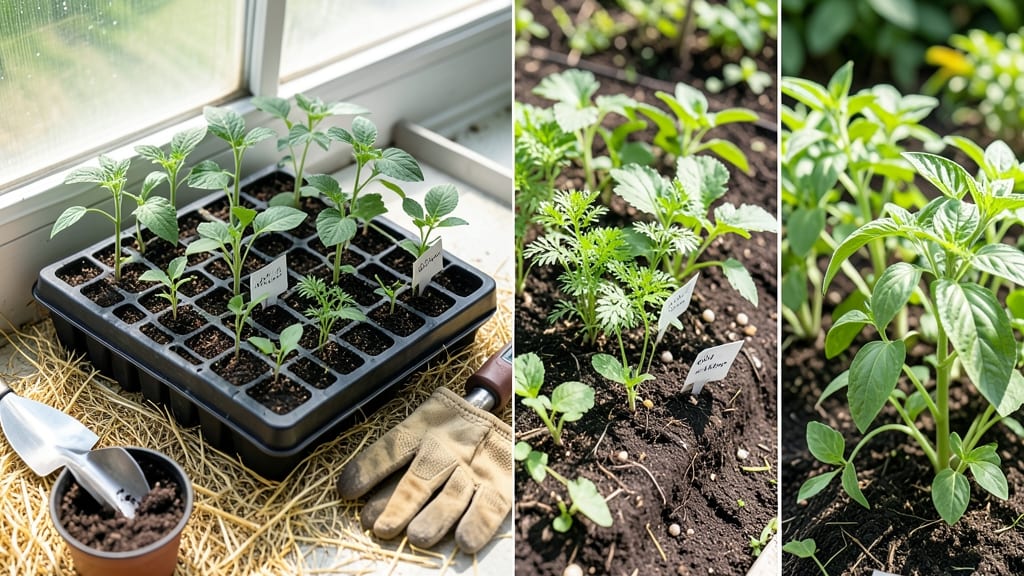
Planting a vegetable garden in Ontario isn’t just about grabbing seeds and sticking them in the dirt—it’s about timing your 🥕 harvests to beat the frost, whether you’re in Toronto or Thunder Bay.
The last thing you want is to see your hard work turn to mush when temperatures dip unexpectedly. With Ontario’s 5a-6b climate zones, knowing when to start seeds indoors or transplant outdoors can mean the difference between a thriving garden and a sad, wilted disappointment.
Most gardeners wait until mid-April to mid-June to plant after the last frost, but that’s not a one-size-fits-all rule. Cool-season crops like peas and spinach can handle early spring soil, while heat-lovers like tomatoes and peppers need to wait until after May 15—or risk stunted growth.
I’ll break down the exact frost-free timelines you need to follow, so you can plan your garden like a pro and avoid common mistakes that waste time and money.
What if you’re eager to get growing but don’t want to wait for the perfect window? The solution might be simpler than you think.
Whether you’re adjusting for shorter growing seasons in Northern Ontario or extending harvests with row covers, I’ll show you how to maximize your garden’s potential—no matter where you live in the province. Let’s get those seeds in the ground the right way, the first time.
Ready to transform your backyard into a year-round harvest hub? By the end of this guide, you’ll have a clear planting schedule tailored to your zone, plus tips to keep your garden thriving from June to October. No more guessing—just a foolproof plan for Ontario’s unpredictable weather. Let’s dig in.
Ontario’s frost-free planting zones: when to start seeds indoors vs. direct sowing outdoors
Ontario’s planting zones (1-7) create a 165-day frost-free window that dictates when to plant. Southern Ontario (Zone 6b) enjoys 10-14 days earlier last frost dates than Northern Ontario (Zone 5a), so timing varies dramatically.
For example, Toronto’s last frost typically hits May 15, while Sault Ste. Marie may not see frost-free conditions until June 1.
Mastering these zones means cool-season crops like spinach and peas can go in 4-6 weeks before last frost, while warm-season crops like tomatoes and peppers need 2-3 weeks after. The key? Start seeds indoors for heat-lovers 6-8 weeks before transplanting—a game-changer for Ontario’s short season.
Here’s how to align your planting with Ontario’s zones using a zone-specific timeline for staples like lettuce, peas, and tomatoes.
For cool-season crops like lettuce and peas, direct sow 4-6 weeks before last frost. In Zone 6b, that’s March 1–March 15, while Zone 5a gardeners wait until April 15–May 1. These hardy crops tolerate light frost, so early planting pays off with earlier harvests.
Warm-season crops like tomatoes and peppers need soil temps above 10°C (50°F). Start seeds indoors 6-8 weeks before transplanting—for Zone 5a, that’s March 15–April 1, while Zone 6b gardeners can begin February 15–February 28.
Transplant outdoors 2-3 weeks after last frost, when nighttime temps stay above 7°C (45°F).
Pro tip: Use biodegradable pots for seedlings to avoid root disturbance when transplanting. Harden off seedlings by gradually exposing them to outdoor conditions over 7-10 days before planting.
Ontario’s first frost typically arrives in mid-October, but some zones (like Zone 5a) may see frost as early as September 20. Plan fast-maturing varieties or use season extenders to squeeze in late harvests of kale, spinach, and carrots.
For urban gardeners in condos or small yards, container gardening lets you micro-manage planting times. Move pots indoors or under row covers if frost threatens. Just ensure containers have drainage holes to prevent root rot.
Track your local frost dates using Environment Canada’s historical data or apps like Frost Freeze. Adjust timelines by 1-2 weeks if your microclimate runs warmer or colder than average.
Remember: Succession planting every 2-3 weeks ensures a continuous harvest of crops like lettuce, radishes, and beans. Even in Ontario’s short season, this trick keeps your kitchen stocked from June to October.
Best vegetables to plant by month in Ontario: a month-by-month survival guide
March is your month to prep—not plant! Focus on cold-hardy crops like spinach and peas in southern Ontario (zones 5-6), but wait until April in northern regions. Harden off seedlings indoors if you started them early. Avoid planting anything heat-loving yet—frost still lurks! 🌱
April kicks off the spring planting rush. Direct-sow radishes (30 days to harvest!) and lettuce as soon as soil thaws. Start tomato and pepper seeds indoors 6-8 weeks before last frost (mid-May for most). Wait until soil warms to 10°C (50°F) for cucumbers and beans. ⏰
May is peak planting month—but timing varies by crop. Transplant tomatoes and peppers 2 weeks after last frost (usually late May). Sow carrots, beets, and corn directly into warm soil. For northern Ontario, delay heat-lovers until June. Watch for false spring—late frosts can sneak up! 🌡️
📅 Numbered Highlights: Ontario Planting Calendar
- March: Start onion sets, spinach (southern zones). Prep soil.
- April: Direct-sow peas, radishes, lettuce. Start tomato seeds indoors.
- May: Transplant tomatoes/peppers. Sow corn, beans, squash after last frost.
- June: Plant cucumbers, melons, late potatoes. Succession-sow greens.
- July-Aug: Direct-sow fall crops (kale, turnips) for harvest before frost.
June is for heat-loving crops and succession planting. Sow green beans, cucumbers, and zucchini every 2 weeks for continuous harvests. Start broccoli and cabbage indoors for fall planting. Southern Ontario can squeeze in a second tomato crop if planted by early July. 🌻
July and August focus on fall harvests. Plant cool-season crops like kale, spinach, and turnips for late-season or overwintering yields. Avoid planting anything that won’t mature before first frost (mid-October). Use row covers to extend the season for lettuce and radishes. ✂️
September is your last chance for fast-maturing crops. Direct-sow radishes (30-day varieties), spinach, and arugula. Transplant broccoli and cabbage started indoors in July. Harvest peppers and tomatoes before frost hits—don’t let them rot on the vine! 🍅