
Plants
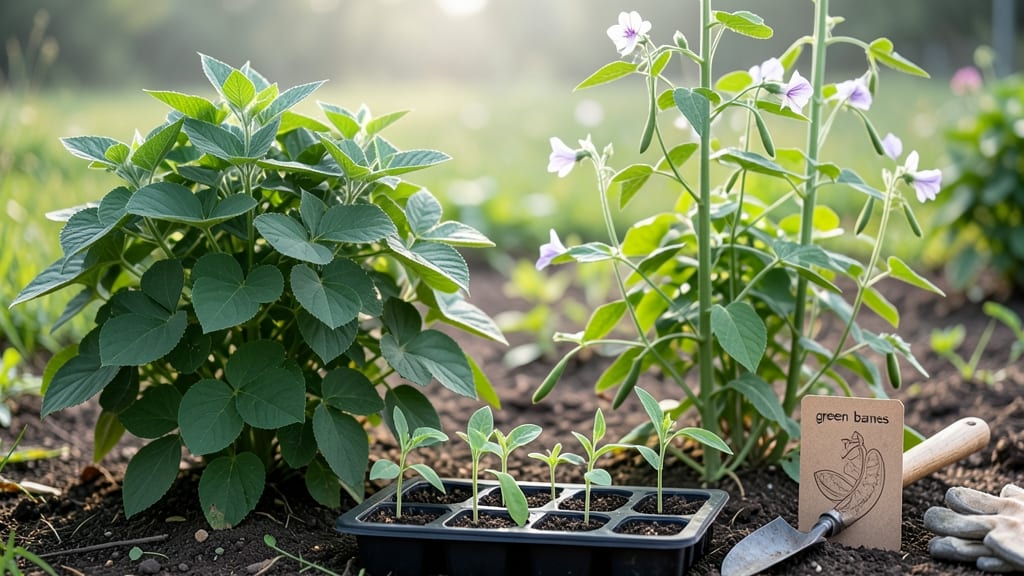
Planting fall green beans in Missouri isn’t just about dropping seeds in the dirt—it’s about timing them perfectly to beat the frost while avoiding summer’s sweltering heat.
The 45- to 60-day window before your first frost is your golden opportunity, but miss it by even a week, and you’ll either bake your plants or watch them freeze before harvest.
Missouri’s USDA zones 5b-6b mean your exact planting dates depend on whether you’re in St. Louis, Kansas City, or a rural county where microclimates shift frost dates by 10 days or more.
I’ll break down the science behind these variations so you can plant with confidence—no more guessing games or wasted seeds.
You’ll also discover how soil temperature, bean variety, and even drought risk can push your planting window earlier or later by 2-3 weeks. Whether you’re a first-time gardener or a veteran grower, these insights will help you maximize your harvest before winter sets in.
Ready to grow crisp, homegrown green beans straight from your Missouri garden? Let’s dive into the exact steps to ensure your fall planting pays off—without the frost-related regrets.
Optimal fall green bean planting weeks before Missouri’s first frost
Missouri’s fall frost dates average around November 1, but your exact planting window depends on your USDA zone (5b-6b) and local microclimates. For a reliable harvest, aim to plant 45-60 days before frost—typically mid-August to early September.
This ensures your green beans mature before cold snaps hit.
Your soil temperature must stay above 50°F for seeds to germinate properly. In northern Missouri (Zone 5b), wait until late August to avoid heat stress. Meanwhile, southern Missouri (Zone 6b) gardeners can start as early as mid-August.
Always check your local frost dates—they can shift by 1-2 weeks yearly.
Urban gardeners in St. Louis or Kansas City face heat islands that delay fall cooling. Adjust your planting by 1 week later than rural areas. For container gardening, use black plastic pots to warm soil faster in cooler microclimates.
Here’s your Missouri-specific planting timeline based on frost-free days and variety maturity:
| Planting Stage | Action | Missouri Zone 5b | Missouri Zone 6b |
|---|---|---|---|
| Soil Prep | Test pH (6.0-7.0), add compost | Late July | Early July |
| Planting Window | Direct sow seeds | Aug 20 - Sep 5 | Aug 10 - Aug 25 |
| Harvest Window | Pick pods at 4-6" (bush) or 6-8" (pole) | Oct 15 - Nov 1 | Oct 1 - Oct 25 |
| Frost Buffer | Plant 45-60 days before first frost | 60 days (Sep 1) | 45 days (Sep 15) |
For pole varieties like ‘Kentucky Wonder’, plant 1-2 weeks earlier—they take longer to mature but produce more pods. Bush varieties like ‘Blue Lake’ mature faster (50 days), so they’re safer for late August plantings in Zone 5b.
Missouri’s fall weather patterns can be unpredictable. If your area experiences early frosts (like in 2020’s October freeze), opt for fast-maturing varieties (45-50 days) and plant closer to September 1st. Always monitor your local weather forecasts starting in late August.
After planting, mulch heavily with straw or leaves to insulate roots. This helps retain soil warmth longer and protects young plants from temperature swings. In urban areas, use dark-colored mulch to absorb more heat during the day.
Your last harvest should occur 2 weeks before the average frost date. If you miss the window, try greenhouse growing or overwintering with row covers to squeeze out extra pods. Just remember: green beans hate frost—even a light freeze will ruin your crop.
For succession planting, sow new seeds every 2 weeks until September 15th. This staggered approach ensures a continuous harvest until frost. In southern Missouri (Zone 6b), you might even get a second harvest in early November.
Missouri’s fall green bean success hinges on one rule: plant early enough to mature, but late enough to avoid summer’s heat stress. With these zone-specific timelines, you’ll nail the perfect window every season. Happy planting! 🌿
Optimal fall green bean planting weeks before Missouri’s first frost
Missouri’s average first frost date of November 1 sets your fall green bean planting window—but don’t rely on averages alone. The 45- to 60-day maturity range of most green bean varieties means you’ll need to plant between mid-August and early September to harvest before frost.
This window accounts for Missouri’s USDA zones 5b-6b, where rural areas often experience frost 7-10 days earlier than cities like St. Louis.
For a reliable harvest, aim to plant when soil temperatures drop below 85°F but stay above 50°F. This cools the ground enough to avoid heat stress while keeping roots active.
Use a soil thermometer to confirm—planting too early in 90°F+ soil stunts growth, while waiting too long risks frost damage before pods mature.
🌱 Missouri Fall Green Bean Planting Summary
| Stage | Action | Notes |
|---|---|---|
| Soil Prep | Test pH (6.0-7.0) | Add compost if needed |
| Planting Window | Mid-August–Early Sept | 45-60 days before frost |
| Spacing | 2-4 inches apart | Bush: 4"; Pole: 6" |
| Harvest Window | October–November | Before first frost |
Urban gardeners in St. Louis or Kansas City can push planting to early September thanks to the "urban heat island" effect, which delays frost by 3-5 days. However, rural areas in northwest Missouri (zone 5b) should plant by mid-August to avoid early frosts.
Check your local extension office for precise frost dates—some years, frost arrives as early as October 20.
Pro tip: Use black plastic mulch to warm soil and extend your planting window by 1-2 weeks. This is especially useful in colder microclimates like the Missouri Ozarks. Pair it with row covers for an extra 2-3 weeks of frost protection if late frosts threaten.
Don’t forget to succession plant every 2 weeks in late August for a staggered harvest. This ensures you’re picking beans through early November, even if the first frost arrives early. For example, plant August 15, August 29, and September 12 to cover all bases.
Missouri’s fall weather can be unpredictable, so monitor 7-day forecasts and adjust your planting schedule if a cold snap is predicted. With the right timing, you’ll enjoy crisp, homegrown green beans straight from your garden—no grocery store needed.