
Plants
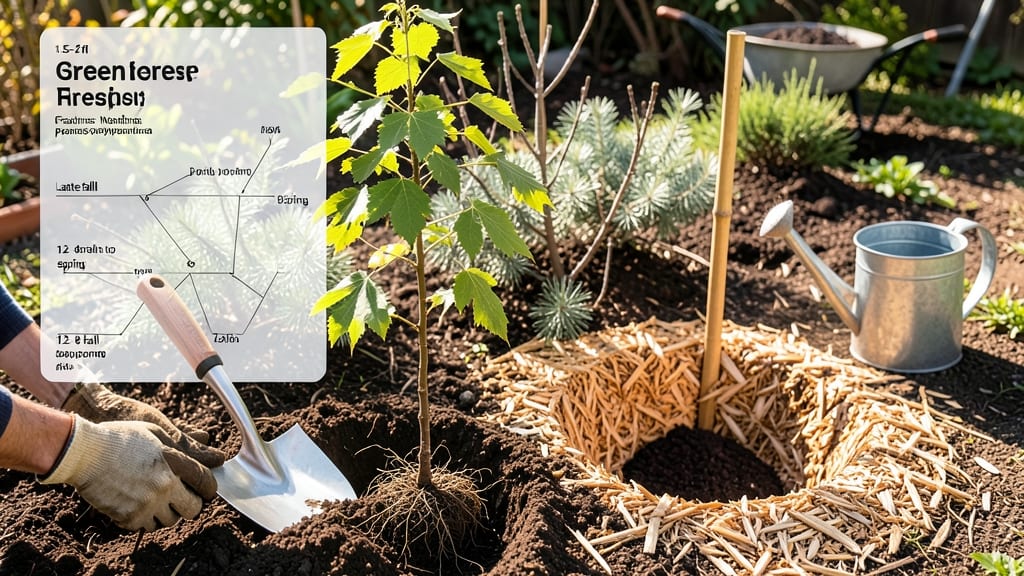
Planting a tree in Colorado at the wrong time can mean the difference between a thriving 🌳 and a struggling sapling—especially with the state’s dramatic elevation shifts and harsh winters.
If you’ve ever wondered when to plant a tree in Colorado, timing isn’t just about the calendar—it’s about understanding your USDA zone, soil temperatures, and even microclimates.
For example, Denver’s Zone 5-7 means late winter to early spring (March-April) or fall (September-October) are your best bets, but high-elevation areas like Summit County might need adjustments.
I’ll walk you through the best months for planting, whether you’re adding oaks, pines, or fruit trees, and how to avoid common mistakes that kill young trees. Let’s get your 🌳 off to the right start.
From soil prep to post-planting care, you’ll learn exactly what to do to give your tree the best chance to thrive in Colorado’s unpredictable climate. Ready to dig in?
Colorado’s USDA hardiness Zones: when to plant trees by region (2024 guide)
Colorado’s diverse elevations and microclimates create unique challenges for tree planting. From the Front Range’s urban heat islands to the Western Slope’s high-desert conditions, each USDA zone demands specific timing. Planting outside these windows risks winter dieback or summer drought stress, especially for young roots still establishing.
Most Colorado gardeners focus on Zones 5–7, but even small elevation changes (like 1,000 feet) can shift your ideal planting month.
For example, a blue spruce in Zone 4 (Steamboat Springs) needs fall planting to avoid winter desiccation, while the same tree in Zone 7 (Albuquerque) can handle spring or fall. Let’s break down the best months for each zone and the tree species that thrive there.
| USDA Zone | Best Planting Months | Key Considerations | Example Trees for Zone |
|---|---|---|---|
| Zone 3 (6,500–7,500 ft) | Late May–June or September | Wait for soil temps above 50°F; avoid late frosts (May 15+). | Colorado Blue Spruce, Rocky Mountain Juniper, Quaking Aspen |
| Zone 4 (5,000–6,500 ft) | April–May or September–October | Urban areas (Denver) can plant 1 week earlier due to heat islands. | Ponderosa Pine, Serviceberry, Larch |
| Zone 5 (3,500–5,000 ft) | March–April or September–October | Avoid planting after July—summer drought kills young roots. | American Elm, Hackberry, Apple Trees |
| Zone 6 (1,500–3,500 ft) | February–March or September–October | South-facing slopes warm 2–3 weeks earlier than valleys. | Red Oak, Pear Trees, Crape Myrtle |
| Zone 7 (below 1,500 ft) | January–February or October–November | Irrigated areas (e.g., San Luis Valley) can plant earlier. | Pecan, Persimmon, Desert Willow |
| Zone 8 (Rio Grande Valley) | December–January or September–October | Avoid summer planting—heat stress is critical for tropical species. | Mexican Sycamore, Palo Verde, Citrus (protected microclimates) |
| 🌱 Colorado Exception: High-elevation zones (e.g., Telluride, Zone 5) may need 2–4 weeks later due to shorter growing seasons. | |||
For container-grown trees, you can plant almost year-round (except winter), but bare-root trees must go in during their dormant season. For example, blue spruce bare-root stock should be planted in late fall (October–November) to establish roots before winter.
Meanwhile, fruit trees like apples or pears need chilled dormancy, so planting in late winter (February–March) ensures they sync with local bloom cycles.
One common mistake I see in Colorado is planting evergreens in spring. Their needle desiccation risk spikes when transplanted after buds break. Instead, opt for fall planting—the cooler temps and higher humidity reduce stress.
If you’re in Zone 4 or higher elevations, prioritize snow cover by December to protect young roots from freezing.
Pro tip: Use a soil thermometer to confirm 50°F soil temps for 10+ days before planting. In Zone 6+, this often means waiting until mid-April, while Zone 4 may not hit this mark until late May.
Check your local CoCoRaHS weather station for real-time data tailored to your neighborhood.
Microclimates play a huge role too. For instance, Denver’s urban core (Zone 6) can be 5–10°F warmer than nearby suburbs, allowing 1–2 weeks earlier planting. Conversely, mountain valleys like Grand Junction (Zone 7) may experience late frosts into May, delaying spring plantings until after Memorial Day.
Finally, amend your soil with compost or mycorrhizal fungi before planting—Colorado’s clay-heavy soils in the east and sandy loams in the west drain poorly without adjustments. This step alone can triple survival rates for young trees in Zone 5–7.
Critical timing factors: soil temperature, moisture, and Colorado’s microclimates
Colorado’s microclimates and elevation shifts create unique challenges for tree planting. A soil thermometer (around $20) is your best tool—aim for 50°F soil temps for 10+ days before planting.
In Zone 5 (e.g., Denver), this typically means late April to early May, while Zone 7 (e.g., Colorado Springs) can start as early as March.
Moisture is equally critical. Drought stress in late summer (July-August) can kill newly planted trees, especially in Zone 6+. Always water deeply before planting—Colorado’s dry air sucks moisture from roots faster than you’d expect. Mulch heavily (3–4 inches) to retain soil moisture and regulate temperature.
🌱
1. 3 Soil Temperature Rules for Colorado
- Wait until 50°F for 10+ days (root zone temp). Use a soil thermometer—air temp ≠ soil temp!
- Zone 3–4 (mountains): Plant bare-root trees in late April–May when snowmelt stabilizes soil.
- Zone 6–7 (Front Range): Fall planting (Sept–Oct) avoids summer drought stress.
2. Adjust for High-Elevation Zones
- Summit County (Zone 6): Plant 1–2 weeks later than Denver due to cooler microclimates.
- Boulder (Zone 7): Urban heat islands can warm soil faster—monitor temps closely.
- Western Slope (Zone 5): Late frosts (May 15+) delay planting until June.
3. When to Avoid Planting: Late Summer Risks
- July–August: Drought stress in Zone 5+ can kill young roots. Wait for fall.
- Zone 4 (e.g., Steamboat): Plant after June 15 to avoid late frosts.
- Evergreens in Zone 3: Avoid transplanting after August—they need 6+ weeks to harden off before winter.
Don’t let Colorado’s unpredictable weather catch you off guard. Check your local CoCoRaHS station (colorado.edu/cocorahs) for rainfall trends—dry spells in June can turn deadly for newly planted trees. If you’re in Zone 7+, consider drip irrigation for the first year to ensure survival.
Pro tip: Bare-root trees (like Colorado blue spruce) can handle late winter planting (Feb–March) if soil isn’t frozen. Just keep them moist and shaded until roots establish. For container-grown trees, fall planting (Sept–Oct) gives roots time to settle before winter.
☀️