
Plants
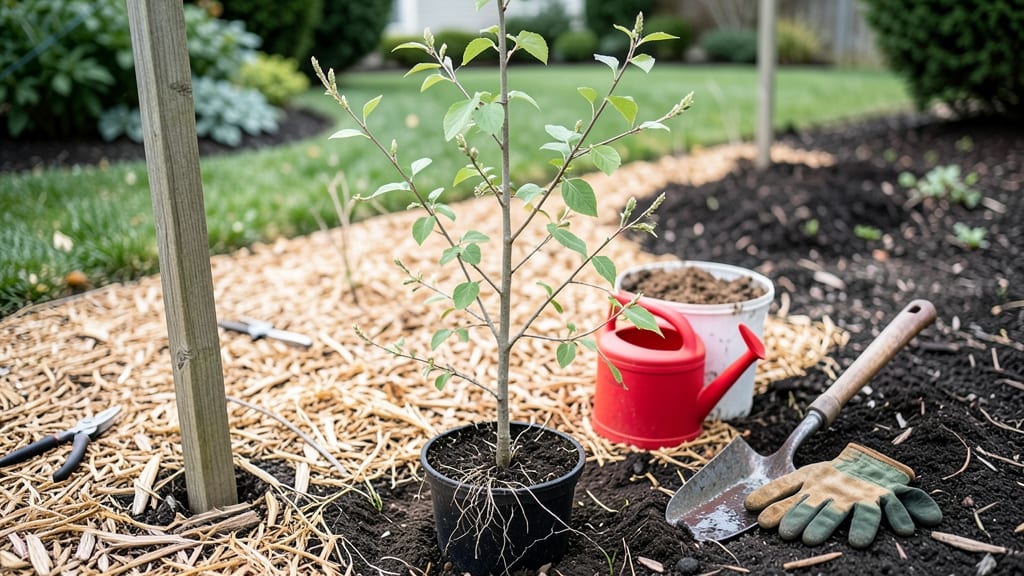
The best time to plant a tree in Colorado isn't just about picking a month—it's about giving your 🌳 the fighting chance it needs against our unpredictable weather.
Too early, and frost will nip young roots before they take hold. Too late, and winter's chill will stall growth before spring arrives.
For most Colorado trees in zones 5-7, late winter to early spring (March-April) or fall (September-October) creates the perfect balance of moisture and mild temperatures. This timing lets roots establish before extreme heat or cold sets in—a critical factor for trees that might otherwise struggle in our high-altitude climate.
But here's the twist: not all trees follow the same rules. Evergreens and drought-resistant species often have different windows than thirsty deciduous varieties. I'll break down exactly which trees thrive when planted in spring versus fall, plus the 3 biggest mistakes that kill Colorado trees before they even get started.
Ready to plant with confidence? Let's dive into the science behind Colorado's planting seasons and how to set your tree up for decades of success—no guesswork required.
Colorado’s ideal planting seasons: spring vs fall for tree success
Colorado’s diverse climate zones (from USDA Zone 5 in the mountains to Zone 8 in the southern plains) make timing critical for tree survival. Spring and fall offer the best windows, but each has unique advantages—and pitfalls—depending on your location.
Let’s break down the science behind Colorado’s planting seasons to help you choose the right time for your tree.
In spring (April-May), soil warms faster in lower elevations like Denver and Colorado Springs, while high-altitude areas (e.g., Fort Collins or Boulder) may still face frost risks.
Fall (September-October) provides cooler temps and 6-8 weeks of root growth before winter dormancy, but rushing it can expose roots to freeze-thaw cycles. Your choice hinges on soil moisture, temperature trends, and tree type.
| Factor | Spring Planting (April-May) | Fall Planting (September-October) |
|---|---|---|
| Soil Temperature | 50–60°F (optimal for root growth) | 45–55°F (cooler but still active) |
| Moisture Availability | Moderate (spring rains + snowmelt) | High (fall rains + reservoir) |
| Frost Risk | Low in Zone 7+, high in Zones 5–6 | Moderate (first frost often Oct 15) |
| Best For | Fast-growing species (e.g., Russian Olive, Cottonwood) | Slow-growing or drought-resistant (e.g., Ponderosa Pine, Colorado Blue Spruce) |
| Watering Needs | High (dry spring winds) | Medium (natural rainfall) |
For Front Range gardeners (Denver, Boulder, Fort Collins), fall planting is ideal—cooler temps reduce transplant shock, and 60–80 days of root growth before winter dormancy sets in. Aim to plant 4–6 weeks before first frost, typically by September 15.
In contrast, Western Slope regions (Grand Junction, Durango) can plant slightly later due to milder winters, with October 1 often being the cutoff.
Spring planting works best for bare-root trees or species that tolerate early-season cold, like Quaking Aspen or Engelmann Spruce. Plant as soon as soil is workable (usually mid-April in Denver, later in mountain zones). Avoid late May plantings—summer heat can stress young roots before they establish.
Colorado’s high-altitude microclimates (e.g., Eagle County vs. Pueblo) shift planting windows by 2–4 weeks. Check Colorado State University Extension frost maps or use the 50°F soil thermometer rule: Wait until soil temps stay above 50°F for 7+ days in spring, or drop below 60°F in fall.
Pro tip: Container-grown trees can be planted year-round in Colorado, but avoid extreme heat (July–August) or deep freezes (December–February). For these, late spring or early fall remains optimal to balance moisture and temperature.
One critical factor often overlooked is soil moisture retention. Colorado’s clay-heavy soils (common in eastern plains) dry out faster in spring, while sandy soils (Western Slope) lose moisture quickly in fall. Amend with compost or organic matter to improve water retention, regardless of season.
Evergreen trees (e.g., Blue Spruce, Ponderosa Pine) handle fall planting better—their needle foliage reduces water loss over winter. Deciduous trees (e.g., Maple, Oak) thrive in spring when they can focus energy on leaf and root growth simultaneously.
Local nurseries like Colorado Native Plant Society recommend fall planting for 80% of Colorado’s native trees, citing 30–50% higher survival rates compared to spring. The key? Plant when soil temps are cool but not frozen, and water deeply before first frost to
Colorado’s ideal planting seasons: spring vs fall for tree success
Colorado’s two best windows for planting trees—late winter/early spring (March-April) and fall (September-October)—mirror the state’s 120-180 frost-free days. Spring planting lets roots establish before summer’s dry heat, while fall gives trees time to grow roots before winter dormancy.
The key difference? Spring favors thirsty species like willows, while fall suits drought-tolerant natives like ponderosa pines.
For Front Range gardeners (zones 5-6), aim for April 15 (after last frost) or September 15 (before first frost). Western Slope areas (zones 6-7) can extend spring planting to May 1 due to later frosts.
Evergreens like Colorado blue spruce (Picea pungens) actually prefer fall planting to avoid transplant shock during summer’s intense sun.
Here’s how the two seasons stack up for root growth and survival:
| Factor | Spring Planting (March-April) | Fall Planting (September-October) |
|---|---|---|
| Soil Moisture | High (snowmelt + spring rains) | Moderate (fall rains, but drying by winter) |
| Temperature | 50-65°F (root-friendly) | 40-55°F (cooler, slower growth) |
| Root Establishment | Fast (6-8 weeks before summer drought) | Slow but steady (6-8 weeks before dormancy) |
| Best For | Deciduous trees (maples, oaks), thirsty species | Evergreens (spruces, pines), drought-tolerant natives |
| Risk Factor | Late frosts (after April 15) | Early frosts (before October 15) |
🌱 Pro Tip: Container-grown trees can be planted year-round, but avoid June-August (heat stress) and December-February (frozen ground).
Colorado’s high-altitude climate adds complexity. At elevations above 7,000 feet, plant 2-3 weeks later than Front Range schedules to avoid late-spring frosts. For example, Denver’s last frost averages April 15, but Aspen’s can linger until May 1. Always check CSU Extension’s frost maps for your exact location.
One non-negotiable rule in Colorado: Water deeply after planting, regardless of season. Spring-planted trees need 10-15 gallons weekly until roots establish (6-8 weeks), while fall-planted trees should get deep waterings every 2 weeks before dormancy.
Mulch with 3-4 inches of wood chips to retain moisture and regulate soil temps—critical in our dry, windy climate.
For bare-root trees, spring planting is ideal—roots wake up with the soil and grow faster. But container-grown trees (like Colorado blue spruce) handle fall planting better because their root balls stay intact longer.
The biggest mistake? Planting too late in fall—roots won’t have time to harden off before winter, leading to heaving (frost damage).
Ready to pick your perfect planting window? Next, we’ll dive into Colorado’s top tree species and which season gives them the best start—plus how to spot 3 deadly planting mistakes that even experienced gardeners make. 🌳