
Plants
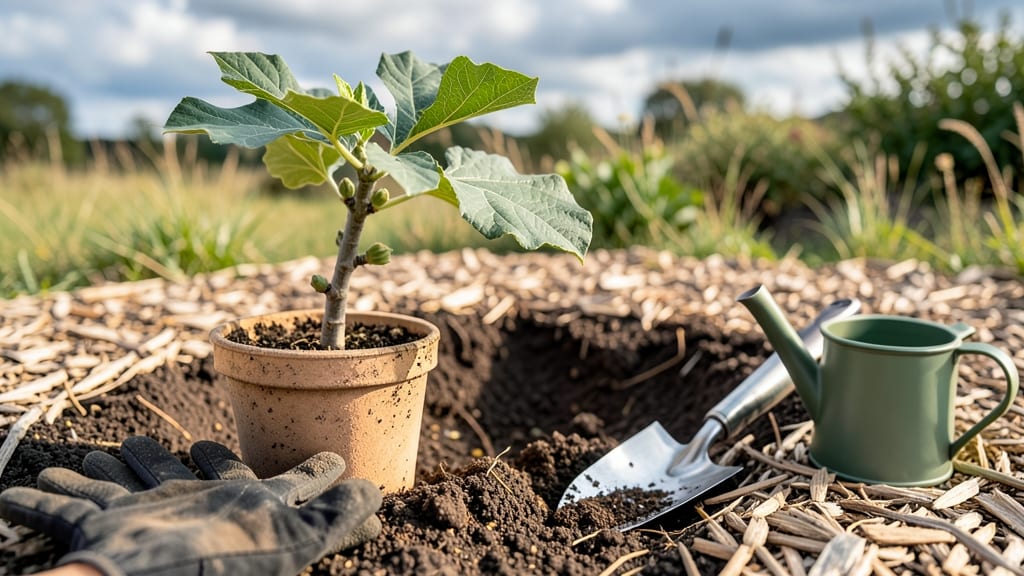
Planting a fig tree in New York’s tricky climate can feel like playing a high-stakes game of timing—one wrong move, and your 🌳 might not survive the winter.
But here’s the good news: with the right strategy, you can grow a thriving fig tree that rewards you with sweet fruit for years.
New York’s USDA zones 5b-7b mean frost is always a factor, but knowing when to plant makes all the difference. The ideal window is late April to May, after the last frost, giving your tree enough time to establish roots before winter hits.
This isn’t just guesswork—it’s about matching your tree’s needs to your local climate.
Whether you’re planting in the ground or a container, the key is preparation. Fig trees love warmth but hate cold snaps, so we’ll cover how to choose the perfect spot, protect young roots, and even tweak your approach for urban heat islands or sheltered microclimates.
Let’s get your fig tree off to the best start possible.
You’ll walk away with a clear plan—no more second-guessing. From soil prep to winter prep, I’ll show you exactly how to set your fig tree up for success, so you can enjoy fresh figs (and fewer frozen branches) next summer.
New York’s hardiness zones and best planting months for fig trees
New York spans USDA hardiness zones 5b through 7b, which means temperatures can drop below 0°F (-18°C) in winter. Fig trees (Ficus carica) are native to warm climates and typically thrive in zones 7-10, making them marginally hardy in most of NY.
However, with the right strategies, you can successfully grow them in zones 5-6 by choosing cold-resistant varieties and timing your planting carefully.
In New York, the best time to plant fig trees is late April to early May, after the last frost date. This gives young trees enough time to establish roots before winter.
Fall planting is risky in zones 5-6 because new roots won’t have time to harden off before cold weather sets in. In zones 7a-7b (e.g., Long Island), you can also plant in early fall (September) for a head start on root growth.
The last average frost date in New York varies by region:
- NYC and Long Island: Mid-April
- Albany and Hudson Valley: Late April
- Buffalo and Western NY: Early May
For container-grown fig trees, you have more flexibility. You can plant them as late as June in pots, then move them indoors or to a protected location when temperatures drop below 40°F (4°C). This method is ideal for urban gardeners in NYC or Buffalo where winters are harsh.
Another critical factor is microclimates. Even in cold zones, fig trees can thrive in sheltered spots like:
- South-facing walls
- Near buildings or fences that absorb heat
- Avoid low-lying areas where cold air settles
When selecting a fig variety for New York, prioritize cold-hardy types like:
- Chicago Hardy (tolerates -15°F (-26°C))
- Brown Turkey (handles -10°F (-23°C))
- Celeste (moderate cold tolerance)
If you’re in zone 5b (e.g., Buffalo or Syracuse), consider container growing with winter protection. Move potted figs to an unheated garage or wrap the container in burlap and bubble wrap to insulate roots.
In zone 7a (e.g., NYC), you can plant figs directly in the ground with heavy mulching and winter wraps for added protection.
One common mistake is planting fig trees too deep. The root flare (where roots meet the trunk) should sit 1-2 inches above soil level. Burying it too deep can suffocate the tree and reduce cold hardiness.
Amend your soil with compost and sand to improve drainage, as fig trees hate soggy roots.
To maximize survival, mulch heavily (4-6 inches of straw or wood chips) around the base of your fig tree in late fall. This creates an insulating layer that protects roots from freeze-thaw cycles.
In zone 5-6, you may also need to wrap the trunk with burlap or tree wrap to prevent sunscald in winter.
Here’s a quick reference for planting windows by NY region:
| USDA Zone | Best Planting Month | Cold-Hardy Variety | Winter Protection Needed |
|---|---|---|---|
| 5b (Buffalo, Syracuse) | Late May - Early June | Chicago Hardy | Container + Insulation |
| 6a (Albany, Hudson Valley) | Late April - May | Brown Turkey | Mulch + Wrap Trunk |
| 7a (NYC, Long Island) | April - May or Sept | Celeste | Heavy Mulch |
| 7b (Southern Tier) | April - June | Any Variety | Minimal (if sheltered) |
Remember, fig trees are not frost-tolerant, but with the right timing and protection, you can enjoy fresh figs in New York. Start with a small, cold-hardy variety and monitor your tree closely during its first winter.
If you live in zone 5, consider starting your fig in a container and bringing it indoors during winter—this gives you the most control over its environment.
For extra insurance, plant your fig tree near a south-facing wall or fence. These structures absorb heat during the day and release it slowly at night, providing a 5-10°F warmer microclimate—critical for fig survival in NY winters.
With these strategies, your fig tree can thrive even in the most challenging zones.
New York’s hardiness zones and best planting months for fig trees
New York’s USDA zones 5b-7b create unique challenges for fig trees, which thrive in warmer climates. The key to success lies in planting at the right time—typically late April to May—when soil temperatures rise above 60°F (15°C) and the risk of frost has passed.
This window ensures your tree has 4-6 weeks to establish roots before winter sets in.
For gardeners in Zone 5b (e.g., Syracuse, Ithaca), focus on cold-hardy varieties like Chicago Hardy or Brown Turkey. These can tolerate brief dips to 15°F (-9°C), but they still need a head start.
In Zone 7b (e.g., NYC, Long Island), you have more flexibility, but early planting is still critical to avoid heat stress in summer.
🌱 Pro Tip: Check your local last frost date—NY ranges from May 1 in Buffalo to mid-April in NYC. Planting too early risks frost damage, while waiting too long limits root growth before winter.
| Zone | Best Planting Window | Key Considerations |
|---|---|---|
| 5b (Syracuse, Ithaca) | Late May - Early June | Use container planting or microclimate spots (south-facing walls). |
| 6a (Albany, Rochester) | Mid-April - Late May | Plant cold-hardy varieties (Chicago Hardy) in well-draining soil. |
| 7b (NYC, Long Island) | Late April - Early May | Avoid low spots; mulch heavily for winter protection. |
Fall planting is risky in NY unless you’re in Zone 7b with a protected microclimate. If attempting fall, plant by early September to allow root establishment before winter. Most gardeners in colder zones skip fall planting entirely to avoid frost vulnerability.
Urban gardeners in NYC or Buffalo can leverage heat islands—paved areas retain warmth, creating microclimates 5-10°F warmer than surroundings. Plant near south-facing buildings or blacktop to extend the growing season by 2-3 weeks.
🌡️ Warning: Even with ideal timing, late frosts (common in May) can damage new growth. Monitor forecasts and have frost cloth ready to protect young trees.