
Plants
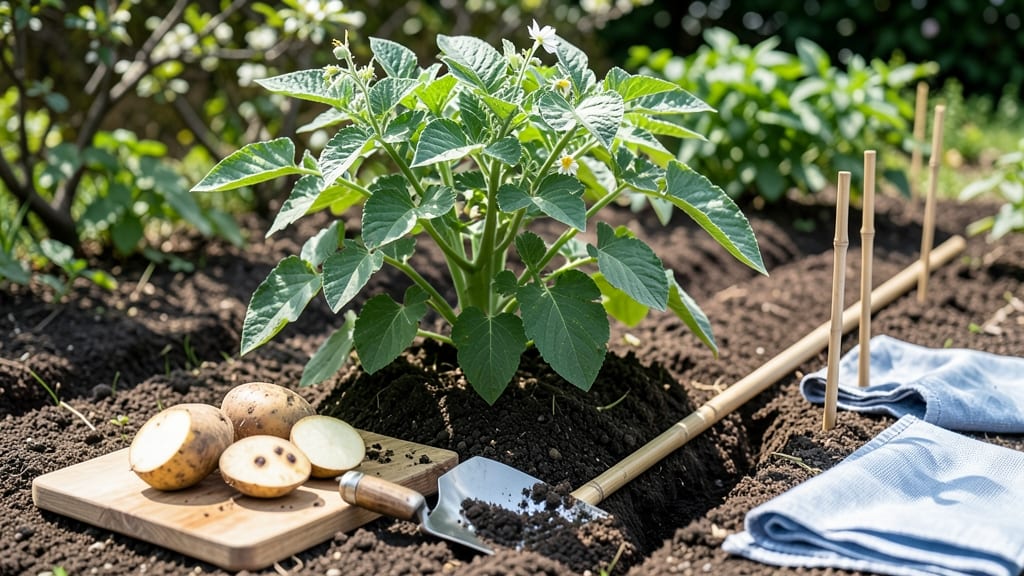
When should you plant potatoes in Pennsylvania? Timing your 🥔 potato planting in Pennsylvania isn’t just about following a calendar—it’s about outsmarting the state’s unpredictable spring weather. Plant too early, and a late frost could wipe out your crop; too late, and you’ll miss the ideal window for a full harvest. The key lies in understanding your USDA zone, soil temperature, and regional frost patterns—especially when comparing Pittsburgh’s chilly valleys to Philadelphia’s slightly warmer coastal areas.
Most gardeners in Pennsylvania’s 5b-7a zones aim to plant seed potatoes between March and April, but the exact timing depends on whether you’re growing early varieties (like Yukon Gold) or late-season types (such as Kennebec). The rule of thumb?
Wait until the soil reaches a steady 45°F and the last frost date has passed—but with PA’s variable climate, that can shift from early April in the south to late May in the north.
If you’re unsure whether your soil is ready, don’t guess—test it with a simple DIY method or use a soil thermometer. I’ll show you how to extend your growing season with row covers or cold frames, so you can avoid common mistakes that leave PA gardeners scratching their heads.
Let’s break down the exact steps to plant your potatoes at the perfect moment for your region.
Ready to turn your backyard into a potato powerhouse? By the end of this guide, you’ll know exactly when to plant, how to prep your soil, and which varieties thrive in your corner of Pennsylvania—so you can enjoy a harvest from July through September without the stress.
Pennsylvania potato planting calendar: soil temperature & frost-free dates by region
Timing your potato planting in Pennsylvania isn’t just about the calendar—it’s about soil temperature, historical frost dates, and your specific USDA zone.
Most of PA falls in zones 5b-7a, where late April is the average last frost date, but microclimates (like Pittsburgh’s cooler valleys or Philadelphia’s urban heat islands) can shift that window by 2-3 weeks.
For example, Erie often sees frost until May 1, while Lancaster can plant 2 weeks earlier.
Potatoes thrive when soil reaches 45°F (7°C)—cold soil stunts growth, while waiting too long shortens the harvest window.
In southern PA (zones 7a-7b), you can plant as early as late February under row covers, but north of I-80, aim for mid-April to avoid frost damage. Early varieties like Yukon Gold (90-day harvest) tolerate cooler soils, while late varieties like Kennebec (120 days) need warmer conditions.
Use this regional planting guide to align with your local climate. For Pittsburgh (zone 6b), start seed potatoes indoors in March or plant outdoors April 15. In Philadelphia (zone 7a), you can plant as early as March 15 if soil is workable.
Always check the Penn State Extension’s frost date maps for real-time updates.
If you’re in a warmer microclimate (like urban Philadelphia with heat island effect), you can push planting to early March—but always verify soil temperature with a soil thermometer or the finger test (stick your hand in the soil; if it’s too cold for your comfort, it’s too cold for potatoes).
For cooler zones, consider starter plants or row covers to extend the season.
Pro tip: Early potatoes (like Red Norland) can be planted in late February under black plastic mulch, which warms the soil by 5-10°F. This trick works especially well in southern PA where winters are milder. Just remove the plastic once sprouts emerge to avoid overheating.
For late-season harvests, plant a second crop in June using fast-maturing varieties like New Potatoes (60 days). This works best in zones 6b and below, where the growing season is shorter. In Philadelphia or Pittsburgh, you’ll need to use row covers to protect against early fall frosts.
Remember: Potatoes need 90-120 days to mature, so calculate backward from your first frost date. If you’re unsure, plant in stages—sow half your seed potatoes 2 weeks apart to stagger harvests and reduce waste.
This is especially useful in PA’s variable climate, where a late frost can devastate a single planting.
🌱 For organic gardeners, avoid planting potatoes in soil where tomatoes, peppers, or eggplants
How to test soil readiness for potatoes in Pennsylvania (beyond the calendar)
Pennsylvania’s spring weather can fool even the most experienced gardeners—one day it’s 60°F, the next it’s 32°F with frost. Relying solely on a calendar risks planting too early and losing your seed potatoes to late frosts. Instead, use these no-fail soil readiness tests to ensure your tubers thrive.
First, check soil temperature—potatoes need 45°F to 50°F for optimal sprouting. Stick a meat thermometer (or a soil thermometer) 4 inches deep for 3 days in a row.
If temps consistently hover above 45°F, your soil is ready. Pro tip: Morning readings are most reliable since afternoon sun can skew results.
Next, assess moisture levels. Press your finger 2 inches into the soil—it should feel like a slightly damp sponge, not muddy or dry.
If it’s too wet, wait a few days; if it’s bone-dry, water deeply and mulch to retain moisture. Well-draining soil is non-negotiable for potatoes, or you’ll end up with rotten tubers.
⚠️ Callout Tip: False springs are Pennsylvania’s biggest trickster. If your soil warms up in March but nighttime temps dip below 40°F, cover your newly planted potatoes with row covers or black plastic mulch to protect tender sprouts. A 50°F soil temp + consistent warmth = success.
For a visual cue, look for earthworms and soil microbes near the surface. Active worms mean your soil is warming up and breaking down organic matter—ideal for potato growth. If you spot them, your potatoes are likely safe from frost damage.
Another trick: Plant a test row of fast-growing radishes or peas a week before your potatoes. If they thrive without frost damage, your potatoes are good to go.
Don’t ignore microclimates in PA. A south-facing slope warms up faster than a north-facing garden bed, so adjust your planting timeline accordingly. In Pittsburgh’s cooler zones (USDA 6a), aim for mid-April, while Philadelphia’s warmer pockets (USDA 7a) can start as early as late March.
Always have row covers on hand for backup protection.
🌱 Step-by-Step Soil Readiness