
Plants
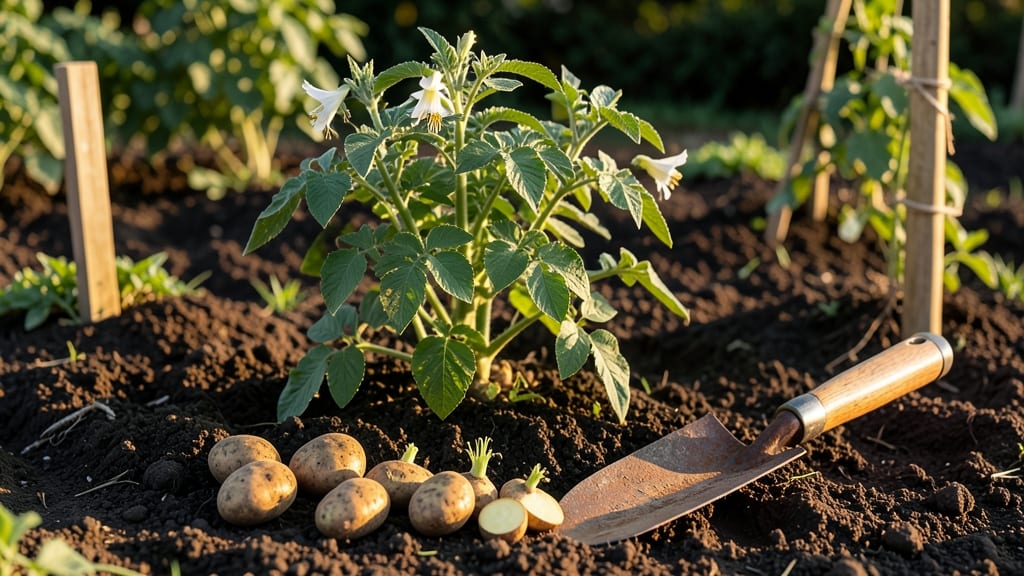
Planting potatoes in Pennsylvania at the wrong time could mean the difference between a goldmine of crisp, homegrown 🥔 and a sad, frost-nipped failure. With our state's unpredictable swings from winter chill to summer heat, timing isn't just important—it's everything.
Most gardeners here know the basics: stick seed potatoes in the ground when the soil warms up and the frost threat fades.
But here's the catch—early varieties need to go in as soon as the ground is workable (around March-April), while late varieties can wait until May without missing the harvest window. The key? Understanding your USDA zone (5b-7a) and soil temperature thresholds.
I've learned the hard way that planting too early risks blackleg disease, while waiting too long cuts your growing season short. Whether you're in Pittsburgh's cooler hills or Philadelphia's warmer valleys, we'll break down the perfect planting schedule—plus soil prep tricks to give your potatoes the head start they deserve.
Ready to turn your garden into a potato powerhouse? Let's dive into the exact dates, soil temps, and variety-specific strategies that'll have you harvesting basketfuls of spuds from July through September—no guesswork required.
Pennsylvania potato planting dates by soil temperature and variety type
Pennsylvania’s USDA zones 5b-7a create a unique challenge for potato growers—soil temperatures and last frost dates vary dramatically across regions. In southern PA (Zone 7a), like near Philadelphia, you can plant early varieties as soon as soil reaches 45°F (around mid-March).
Meanwhile, in northern PA (Zone 5b), like Erie, wait until late April to avoid frost damage.
Your potato variety also dictates timing: early varieties (like Yukon Gold) mature in 90 days and can handle cooler soils, while late varieties (like Russet Burbank) need 120 days and warmer conditions. Planting too early risks blackleg disease, while planting too late shortens the growing season.
🌱
🥔 Pennsylvania Potato Planting Guide by Variety
| Variety Type | Ideal Planting Window | Soil Temp Requirement | Days to Maturity | Best For PA Region |
|---|---|---|---|---|
| Early Varieties | Mid-March to early April | 45°F+ (7°C+) | 60-90 days | Southern PA (Zones 6-7) |
| Mid-Season Varieties | Late April to mid-May | 50°F+ (10°C+) | 90-110 days | Central PA (Zones 5b-6) |
| Late Varieties | Late May to early June | 55°F+ (13°C+) | 110-120 days | Northern PA (Zone 5b) |
🌡️ Pro Tip: Use a soil thermometer to confirm temperatures—cold, wet soils delay sprouting.
For southern Pennsylvania (e.g., Philadelphia, Lancaster), aim to plant early varieties by March 15 to harvest by mid-July before summer heat stresses the plants. In central PA (Harrisburg, State College), shift planting to late April to align with last frost dates around April 20.
Northern regions like Erie or Scranton should wait until May 1 to ensure tubers develop fully before the first frost in mid-October.
If you’re unsure about your last frost date, check the Penn State Extension or local cooperative weather stations. These resources provide hyperlocal data—critical for avoiding late spring frosts, which can kill tender potato sprouts.
For example, Pittsburgh’s average last frost is April 15, but rural areas like Allegheny County may experience frost until May 1.
Another key factor is seed potato quality. Always plant certified disease-free seed potatoes from reputable suppliers. Chit (sprout) your potatoes indoors 4-6 weeks before planting to jumpstart growth—this gives you a 2-week head start in Pennsylvania’s short growing season.
Place seed potatoes in a cool (50°F), bright location to encourage even sprouting.
For container growing, adjust timing slightly: plant 1-2 weeks later than in-ground potatoes since pots warm up faster. Use large containers (at least 12 inches deep) with well-draining soil to prevent waterlogging, which leads to rot and blight.
In containers, harvest earlier (around 80 days) to avoid overcrowding tubers.
🌿
Don’t overlook succession planting—a strategy that maximizes your harvest. In Pennsylvania, you can plant early varieties in March, mid-season in late April, and late varieties in early June. This staggered approach ensures a continuous supply of fresh potatoes from July through September.
For example, plant Red Pontiac (early) in March for a July harvest, then follow with Kennebec (mid-season) in May for an August-September harvest.
Finally, monitor weather forecasts closely in the weeks leading up to planting. A cold snap can delay planting by 2-3 weeks, so have a backup plan. If frost threatens after planting, use row covers or straw mulch to protect young plants.
With the right timing and preparation, Pennsylvania gardeners can enjoy a bountiful potato harvest despite the state’s unpredictable climate.
Pennsylvania potato planting dates by soil temperature and variety type
Pennsylvania's USDA zones 5b-7a create a 60-day window for planting potatoes, but not all varieties thrive in our unpredictable spring weather.
Early varieties like Yukon Gold need to hit the soil by late March to early April when soil temps reach 45°F, while late varieties such as Russet Burbank can wait until mid-May for a full harvest.
The key is matching your variety type to your last frost date. In western PA (Zone 6), the average last frost is April 15, while eastern PA (Zone 7) sees frost fade by April 1.
Planting too early risks blackleg disease, while waiting too long cuts your harvest window short.
Here's how to align your planting with Pennsylvania's climate zones and soil conditions:
| Variety Type | Planting Window | Soil Temp Requirement | Days to Harvest | Best For PA Zone |
|---|---|---|---|---|
| Early Varieties | Late March - Early April | 45°F+ | 60-90 days | 5b-6a (Pittsburgh, State College) |
| Mid-Season | Early April - Mid-April | 50°F+ | 90-110 days | 6a-7a (Philadelphia, Harrisburg) |
| Late Varieties | Mid-April - Early May | 55°F+ | 110-120 days | 7a (Southeastern PA) |
For maximum yield, I recommend planting early and mid-season varieties first (by April 1), then adding late varieties 2-3 weeks later. This staggered approach ensures a continuous harvest from July through September, regardless of Pennsylvania's variable summer weather.
Pro tip: Use a soil thermometer to confirm temps—cold, wet springs (like 2021) can delay planting by 2-3 weeks. In my Zone 6 garden, I've seen 30% yield losses when planting early varieties before soil reaches 45°F.
Remember: Harvest timing depends on variety, not planting date. Early potatoes can be dug as soon as 60 days, while late varieties need full-season growth to develop thick skins. In Pennsylvania, late blight risk increases after July 15, so plan your harvest accordingly.