
Plants
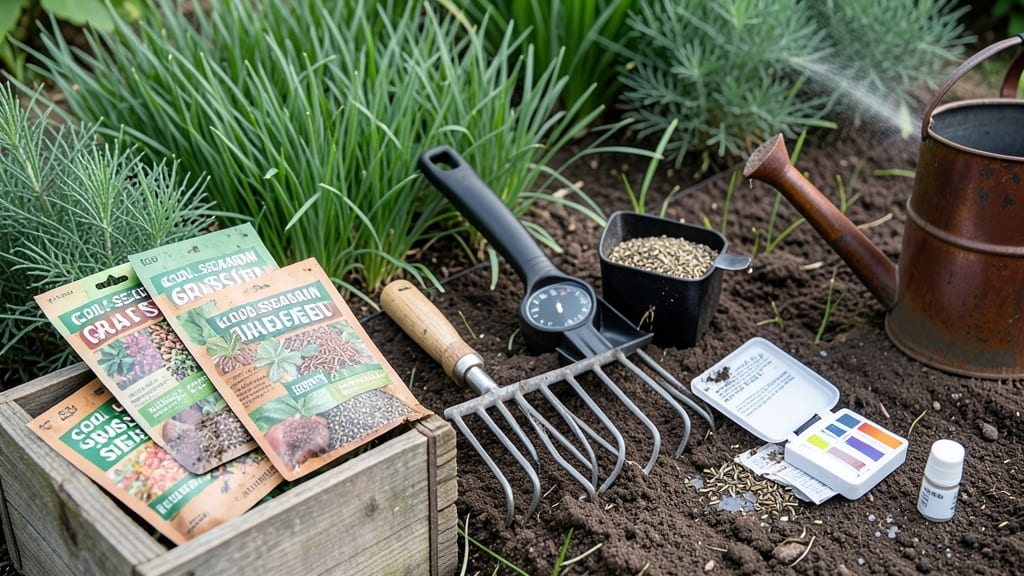
Timing your grass seed planting in Colorado isn’t just about following a calendar—it’s about outsmarting the state’s dramatic shifts from 50°F mornings to 90°F afternoons in a single day.
Plant too early, and frost will nip your 🌱 seedlings in the bud. Too late, and summer’s intensity turns your seed into crispy confetti.
Most Colorado gardeners swear by early fall (September-October) as the sweet spot, when soil stays warm enough for roots to take hold but nights cool down to protect tender sprouts.
But if you’re in the mountains, where frost lingers later, spring planting (April-May) might be your best bet—just as long as the ground isn’t still icy.
Don’t let the USDA Zone 5-7 label fool you: microclimates turn Colorado into a patchwork of planting zones. Urban Denver’s heat island can push your window later than rural Western Slope areas, while high-elevation yards near Vail might need to wait weeks longer.
The key? Watch for soil temps hitting 50°F—your grass’s secret signal to say, “Let’s grow.”
In this guide, I’ll break down the exact windows for your corner of Colorado, plus how to tweak timing for shade, wind, or rocky soil. Spoiler: The perfect moment isn’t just about the date—it’s about reading your yard’s hidden clues.
Best planting windows for Colorado grass seed by region
Colorado’s diverse geography means your grass seed planting window depends entirely on where you live. The Front Range (Denver, Boulder) enjoys a longer growing season than the Western Slope (Grand Junction), while high-elevation yards (Aspen, Vail) play by their own rules.
Even within cities, urban heat islands can push your planting window 2-3 weeks later than rural areas.
To simplify, I’ve broken down the ideal planting months by region, using average soil temperatures and frost dates as your guide. Pro tip: Always check your local Cooperative Extension office for year-to-year adjustments—Colorado’s weather is famously fickle.
🌱
| Region | Best Planting Window | Soil Temp Requirement | Key Considerations |
|---|---|---|---|
| Front Range (Denver, Boulder, Fort Collins) | Late March–April (Spring) September–October (Fall) |
≥ 50°F (10°C) | Urban heat islands delay frost; cool nights in fall help germination |
| Western Slope (Grand Junction, Colorado Springs) | February–March (Spring) August–September (Fall) |
≥ 55°F (13°C) | Drier climate means earlier planting; wind exposure requires extra watering |
| Eastern Plains (Pueblo, Lamar) | April (Spring) September (Fall) |
≥ 50°F (10°C) | Strong winds can dry out seed; late frosts are common |
| Mountains (Aspen, Vail, Steamboat) | May–June (Spring) July–August (Fall) |
≥ 60°F (16°C) | Short growing season; late snowmelt delays planting |
Note: Adjust for microclimates—e.g., south-facing slopes warm faster than north-facing yards.
If you’re in the Front Range, aim for early September planting—this gives your grass 6-8 weeks to establish roots before winter. The Western Slope can push it to mid-August, thanks to warmer soils and lower humidity.
But mountain regions? Wait until late May or early June to avoid late snow or frost.
For spring planting, don’t rush—wait until the soil temperature consistently stays above 50°F during the day. A soil thermometer (just $10 at garden centers) is your best friend here. Pro move: Test temps at 4-inch depth, where roots will be.
🌡️
One common mistake? Planting too early in spring because the calendar says “it’s March.” If your soil is still cold or frozen, your seed will rot or wash away.
Instead, use the “finger test”: Push your finger into the soil—if it feels like a warm mug of tea, it’s ready. If it’s chilly like a fridge door, wait.
For fall planting, the goal is to seed 4-6 weeks before your first frost. This gives your grass time to germinate and develop a 3-inch root system before winter dormancy.
In Denver, that’s usually mid-September, but in Grand Junction, you might push it to early October.
✂️
Regardless of region, avoid planting in summer (June-August) unless you’re in the mountains. The intense heat and low humidity cause seed to dry out before it germinates. If you must plant in summer, choose shade-tolerant varieties like Fine Fescue and water
How to adjust planting timing for Colorado’s microclimates
Colorado’s microclimates can turn a one-size-fits-all planting schedule into a recipe for failure. A Denver urban yard might bake in July while a mountain meadow stays frostbitten until June. Even within your neighborhood, a shady north slope and a sun-drenched south-facing patch could need planting dates 3-4 weeks apart.
The trick? Adjust based on your yard’s unique conditions—not just the calendar.
Start by checking your local frost-free dates, but don’t treat them as gospel. The National Weather Service reports average last frost dates for April 15 in Denver, but high-elevation areas like Boulder County often see frost lingering until May 10.
Meanwhile, the Western Slope (Grand Junction) might be frost-free by March 20. Use these as starting points, then fine-tune.
Here’s how to tweak your timing for Colorado’s most common microclimates:
- Urban Heat Islands: If your yard sits in pavement-surrounded Denver or Aurora, soil can stay 10-15°F warmer than rural areas. Plant 2-3 weeks later than recommended for your zone to avoid heat stress on seedlings.
- High-Elevation Yards: Above 7,000 feet (e.g., Boulder, Estes Park), cool soils delay germination. Wait until soil hits 50°F—often late May or early June—and choose cool-season grasses like Kentucky bluegrass.
- Windy Plains: Areas like the Eastern Plains (Lamar, Sterling) face drying winds. Plant earlier in spring (March-April) to capitalize on spring moisture, or use windbreaks to protect seedlings.
- Shady Spots: North-facing yards or tree-canopied areas stay cooler longer. Plant 2 weeks earlier in spring or 2 weeks later in fall to avoid fungal risks from excess moisture.
- Rocky or Poor Soil: If your soil drains like a sieve (common in Western Slope areas), amend with compost and plant drought-tolerant grasses like buffalo grass in late spring to avoid washout.
Pro tip: Use a soil thermometer to confirm readiness. Grass seed needs soil temps of at least 50°F to germinate—no exceptions. In mountain regions, this might mean waiting until late June, while Front Range areas can plant as early as mid-March.
Don’t let weed competition derail your timing either. If your yard is overrun with cheatgrass or crabgrass, pre-treat with a non-selective herbicide 1-2 weeks before planting. This gives your grass seed a 3-week head start before weeds wake up.
Remember: The perfect planting window isn’t about following a rigid schedule—it’s about reading your yard’s hidden signals. Watch for soil warmth, moisture, and weed activity, and adjust accordingly. With these tweaks, your Colorado lawn will thrive no matter where you live in the state. 🌱