
Planting
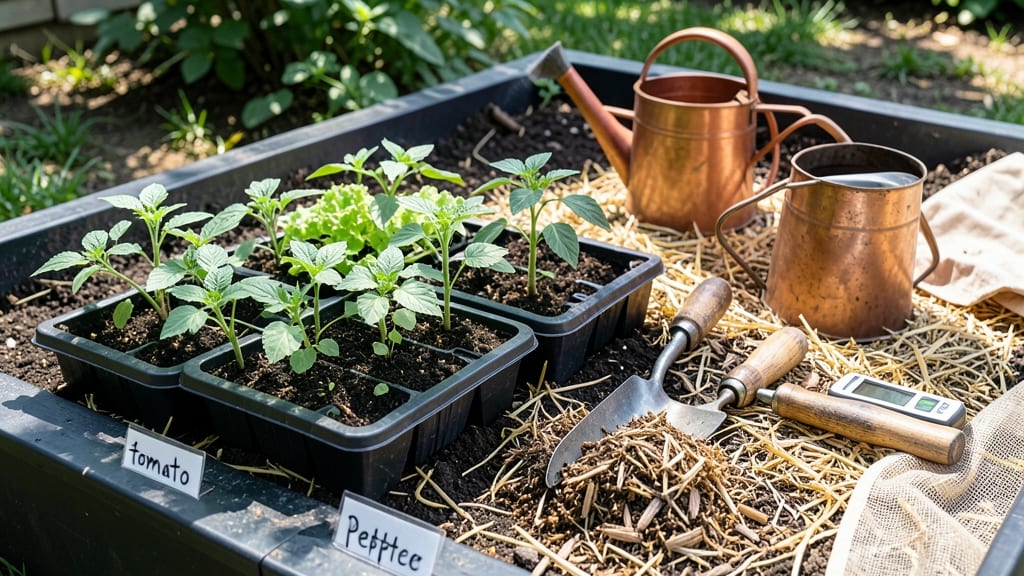
Timing your garden planting in Maryland wrong could mean the difference between a bountiful harvest and a sad pile of frost-bitten seedlings.
The late March to early June window for spring planting isn't just a suggestion—it's your golden ticket to avoiding those cruel mid-April frost surprises that hit even our 6b-7a zones.
Let me show you exactly when to plant your 🌱 General Garden Vegetables & Flowers for maximum success, whether you're growing tomatoes in Baltimore County or marigolds in Garrett. We'll cover the county-specific deadlines that actually work, so you can stop guessing and start growing with confidence.
You'll discover the perfect planting schedule for everything from cool-season crops like spinach to heat-lovers like peppers, plus smart tricks to extend your growing season. No more wasted seeds or missed harvests—just a garden that thrives all season long.
Ready to turn your Maryland garden into the envy of the neighborhood? Let's get started with the planting timeline that finally works for your local climate.
Maryland county planting zones & frost dates by region
Maryland’s diverse geography—from the mountains of Garrett County to the coastal plains of Somerset—means frost dates vary wildly. Understanding these county-specific windows is your first step to a thriving garden. The USDA zones 6b-7a cover Maryland, but microclimates can shift planting dates by 2-3 weeks.
In Western Maryland (Zone 6b), like Garrett or Allegany, the last spring frost often hits April 15-30, while Southern Maryland (Zone 7a), including Calvert or Charles, can see March 20-April 10 frost-free. The Eastern Shore tends to warm 1-2 weeks earlier than Baltimore/DC Metro areas.
Here’s how to use this data: Cool-season crops like spinach and kale should go in 4-6 weeks before your county’s last frost. Warm-season plants, such as tomatoes and peppers, need to wait 2-3 weeks after the frost date.
For example, if your last frost is April 20, plant warm-season crops by May 10.
Pro tip: Check local weather stations (like the NOAA) for real-time updates. A late frost in May can wipe out early plantings—don’t skip this step!
Maryland Frost Dates by Region
| Region | Last Spring Frost | First Fall Frost | USDA Zone | Example Counties |
|---|---|---|---|---|
| Western | April 15-30 | October 15-30 | 6b | Garrett, Allegany |
| Piedmont | April 1-15 | October 5-20 | 6b-7a | Frederick, Carroll |
| Southern | March 20-April 10 | October 20-Nov 5 | 7a | Calvert, Charles |
| Eastern Shore | March 25-April 5 | October 10-25 | 7a | Worcester, Somerset |
| Baltimore/DC Metro | April 1-15 | October 10-25 | 7a | Baltimore, Montgomery |
Note: Dates shift yearly—always verify with local sources!
If you’re in Zone 6b, like Garrett County, your growing season is shorter (165 frost-free days), so focus on fast-maturing crops like bush beans or radishes. In Zone 7a, such as Calvert County, you’ve got 190+ days—perfect for tomatoes, peppers, and even late-season squash.
For container gardening, adjust dates slightly: pots warm up faster in spring, so you can plant 1-2 weeks earlier than in-ground. Just ensure containers have drainage holes to avoid root rot in Maryland’s humid summers.
Don’t overlook fall planting! Many Maryland gardeners forget that August-September is prime time for cool-season crops. By planting broccoli or carrots in early August, you’ll harvest before the first frost in October. It’s like getting a second garden for free!
Urban gardeners in Baltimore or DC often face heat islands—areas that stay warmer than rural zones. If your garden is in a concrete-heavy area, plant heat-loving crops like okra or sweet potatoes a week earlier than the county average.
Remember: Soil temperature matters more than air temperature. Use a soil thermometer ($10 at garden centers) to confirm when it’s 50°F+ for warm-season crops. Cold soil slows germination, even if the air is warm.
🌱
Best planting timeline for Maryland’s top vegetables & flowers
Timing your garden right means the difference between a thriving harvest and wasted seeds.
In Maryland’s 6b-7a zones, cool-season crops like spinach and broccoli should hit the soil 4-6 weeks before last frost (typically late March to early April), while warm-season plants like tomatoes and peppers need to wait until 2-3 weeks after last frost—usually mid-April to early May.
For flowers, marigolds and zinnias thrive when planted after soil warms (late April), but cool-loving pansies can go in as early as March. Container gardens offer flexibility—you can plant warm-season crops 2 weeks earlier than in-ground beds, since pots warm up faster.
Here’s your month-by-month planting schedule for Maryland’s most popular garden stars:
Pro tip: Use row covers to extend your spring planting by 2-3 weeks if frost threatens. For container gardens, warm-season crops like peppers can start 2 weeks earlier than in-ground beds.
Remember, Maryland’s Eastern Shore (like Somerset County) has earlier last frosts (late March), while Western Maryland (like Garrett County) often waits until mid-April. Adjust your timeline based on your microclimate—urban areas may frost later than rural spots.
With this schedule, you’ll avoid the heartbreak of frost-killed seedlings and enjoy a garden that produces from spring greens to fall squash. Happy planting! 🌱