
Companion Plants
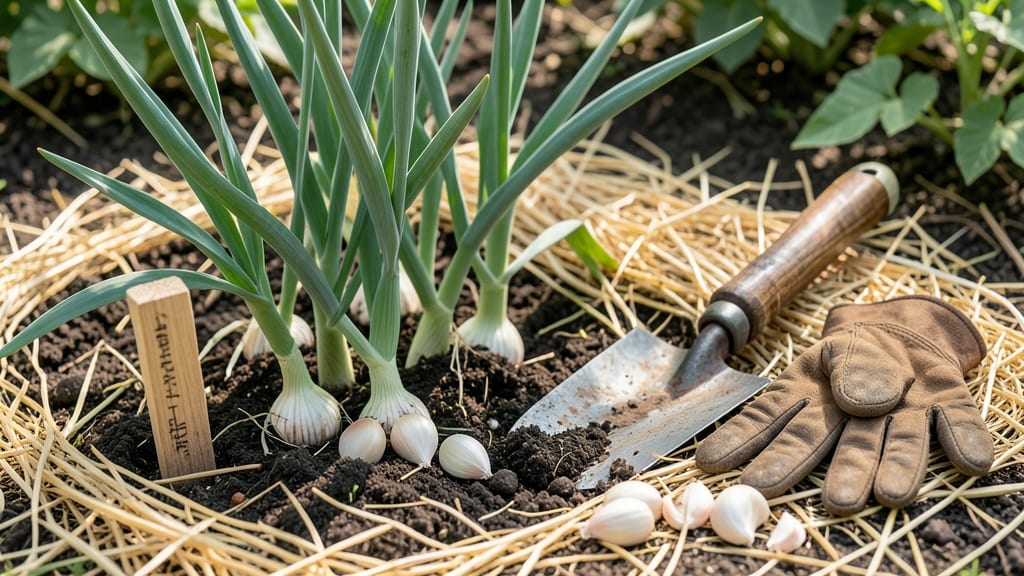
If you’ve ever wondered when to plant garlic in Michigan without risking frost damage or weak bulbs, the answer isn’t just about timing—it’s about outsmarting Michigan’s climate. The 5b-6b zone demands precision, but with the right approach, you can grow bold, flavorful 🧄 that thrives even through winter’s worst.
Most gardeners assume garlic only plants in fall, but Michigan’s short growing season actually gives you two chances: a primary window in October-November and a backup spring option if you miss the first.
The key? Planting 4-6 weeks before the ground freezes—too early, and your cloves rot; too late, and they bolt before summer. I’ll show you exactly how to nail it.
What sets Michigan garlic apart? Unlike warmer climates, our cold snaps actually strengthen the bulbs, but only if you prepare the soil right. We’re talking loamy, well-draining beds with a thick mulch layer to shield roots from temperature swings.
Skip this step, and you’ll end up with puny harvests—or worse, no harvest at all.
Ready to turn your garden into a garlic powerhouse? I’ll walk you through the exact timing, soil prep secrets, and frost-proofing tricks that work in Michigan’s 5b-6b zones. Let’s get those cloves in the ground the right way—so you’re feasting on homegrown 🧄 by next July.
Ideal Michigan garlic planting timeline by hardiness zone
Michigan’s USDA hardiness zones 4-6 demand precise garlic planting timing to survive brutal winters and short summers. Planting too early risks rot, while waiting too long means garlic bolts prematurely. The 4-6 week window before ground freeze is critical—typically mid-October to early November in most of Michigan.
For hardneck varieties (like Rocambole or Chester), which thrive in colder climates, aim for late October in northern Michigan (zone 4). Southern Michigan (zone 6) can plant until early November. Softneck varieties, like Silverskin, tolerate slightly warmer conditions but still need 4-6 weeks before frost.
Spring planting is possible in Michigan but risky—March is the absolute last chance for cloves to establish roots before summer heat. This method yields smaller bulbs and is best for green garlic harvests rather than full bulbs.
Soil temperature is your best guide: garlic cloves need 40-50°F soil to sprout. Use a soil thermometer to confirm readiness. In Michigan’s cool fall, this often aligns with late October for northern regions.
Michigan’s first hard frost (mid-April) and last hard frost (mid-November) bookend your planting window. Planting 6 weeks before the last frost ensures garlic develops roots before winter dormancy. For example, if your last frost is November 15, plant by October 1.
Here’s how Michigan’s three regions differ in timing: Northern Michigan (zone 4): Plant October 1-15 Central Michigan (zone 5): Plant October 15-30 Southern Michigan (zone 6): Plant October 30-November 10 Adjust for early freezes by planting earlier in the zone.
| Zone | Ideal Planting Window | Soil Temp Threshold | Variety Recommendation | Frost Buffer |
|---|---|---|---|---|
| 4 (Northern MI) | October 1-15 | 40-50°F | Hardneck (Rocambole, German Red) | 6 weeks before Nov 15 |
| 5 (Central MI) | October 15-30 | 45-55°F | Hardneck (Chester, Music) | 6 weeks before Nov 22 |
| 6 (Southern MI) | October 30-Nov 10 | 50-60°F | Softneck (Silverskin) or Hardneck | 6 weeks before Nov 28 |
Michigan’s short growing season means garlic needs 240-300 days to mature. Fall-planted garlic overwinters, then bolts in May-June, producing bulbs by July-August. Spring-planted garlic may not reach maturity before Michigan’s first frost in April.
Pro tip: Use large, firm cloves (not supermarket garlic) for planting. Break apart bulbs and plant the largest cloves for bigger yields. In Michigan’s rocky soil, amend beds with compost or aged manure to improve drainage and fertility.
Monitor local frost dates via the Michigan State University Extension or Old Farmer’s Almanac. Adjust your planting date 2-3 weeks earlier if your area experiences early freezes. For example, if your last frost is November 1, plant by September 25.
Remember: Garlic planted in fall tastes sweeter and stronger than spring-planted garlic. Michigan’s cold winters actually enhance flavor—just time it right to avoid frost damage. With the perfect window, you’ll harvest plump, flavorful bulbs even in Michigan’s tough climate. 🧄
5 Critical signs your Michigan garlic planting timing is perfect (or wrong)
Timing garlic planting in Michigan isn’t just about dates—it’s about reading your soil, climate, and plant cues. Here’s how to know if you’ve nailed the window or need to adjust. The right timing means hardy bulbs that survive winter and thrive come summer.
First, check your soil temperature. Ideal planting occurs when soil cools to 40–50°F. Use a soil thermometer to confirm—this usually happens in October across most of Michigan. If your soil is still warm, wait a week or two to avoid rot or bolting.
Next, look at the moon phases. Planting during a waning moon (after a full moon) is traditional for root crops like garlic. This phase aligns with nature’s energy for bulb development. Check a moon calendar for Michigan’s October–November phases.
Don’t ignore frost forecasts. Aim to plant 4–6 weeks before the first hard frost (typically mid-November in Michigan). This gives roots time to establish before winter dormancy. Use the National Weather Service for local frost dates.
Examine your garlic cloves before planting. Choose plump, firm cloves with papery skins. Avoid soft or sprouted cloves—they’ll struggle to establish. Break apart bulbs just before planting to prevent drying.
Finally, watch for sprouting signs. If your garlic sprouts indoors before planting, it’s a red flag—you planted too early. Wait until cloves are dormant (no green shoots) for best results in Michigan’s cold climate.
🌱 5 Critical Signs Your Timing Is Perfect
- 🌡️ Soil temp: 40–50°F (use a thermometer)
- 🌙 Moon phase: Waning moon (root crops thrive)
- ❄️ Frost window: 4–6 weeks before first hard frost
- 🧄 Clove quality: Plump, firm, no sprouts
- 🌱 Sprouting: No green shoots before planting
⚠️ 3 Signs Your Timing Is Wrong
- 🔥 Soil too warm: >50°F (risk of rot)
- 🌱 Pre-sprouted cloves (planted too early)
- ❄️ Late planting: <1 month before frost (weak roots)
If you miss the fall window, don’t panic—Michigan gardeners can plant garlic in early spring (March–April), but yields may be smaller. Use row covers or mulch to protect young plants from late frosts. Spring planting works best for softneck varieties, which are less cold-hardy.
Pro tip: Mark your planting date on a garden journal to track success. Note soil temps, moon phases, and frost dates for next year. Over time, you’ll refine your timing for Michigan’s variable climate.