
Companion Plants
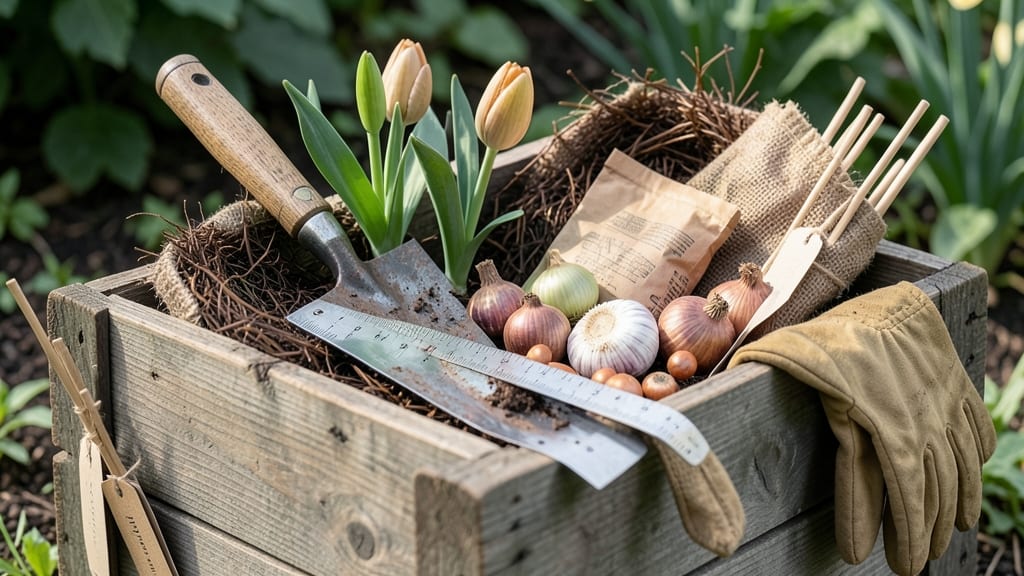
Timing your fall bulb planting just right is the difference between a spring garden bursting with color and a sad pile of rotted bulbs.
You’ve got about 6-8 weeks before the first frost to get them in the ground—too early, and they’ll sprout too soon; too late, and they won’t establish roots before winter. The key? Understanding your zone, soil conditions, and the specific needs of your bulbs.
In Zone 6a, where many gardeners live, the ideal window typically falls between early September and mid-November. But don’t just guess—factors like soil temperature, moisture, and even your local microclimate can shift that timeline by weeks.
I’ll walk you through exactly how to read your garden’s cues and adjust for early or late frosts, so you can plant with confidence.
Beyond timing, there’s more to success than just digging a hole. We’ll cover the perfect depth for different bulb types, how to prep your soil for winter survival, and the critical post-planting care that keeps your bulbs thriving underground.
Skip these steps, and you might as well toss your bulbs in the compost.
Ready to turn your fall planting into a spring showstopper? Let’s break down the month-by-month strategy, common mistakes to avoid, and the simple tweaks that make all the difference for your 🌱 bulbs (General)—no gardening degree required.
Fall bulb planting timeline by month: the exact window for success
Timing is everything when planting fall bulbs—plant too early, and they’ll sprout before winter; too late, and frost will kill them. The ideal window is 6-8 weeks before your first frost date, giving bulbs time to root while avoiding early growth.
For USDA Zone 6a (like my garden), that’s typically mid-September to early November, but your local climate may shift this by weeks.
Most bulbs—like tulips, daffodils, and hyacinths—need cool soil temperatures (50–60°F) to trigger root growth. If your soil stays warm past October, opt for early September planting. Use your average first frost date as your anchor: count backward to find your zone’s sweet spot.
Here’s my month-by-month breakdown for planting fall bulbs, tailored to common USDA zones. Adjust based on your local frost data—your county extension office is a great resource for precise dates.
🌱 Fall Bulb Planting Timeline by Zone
| Zone | Ideal Planting Month | Soil Temp Goal | Key Action |
|---|---|---|---|
| Zones 3–5 | Late September–October | 50–60°F | Plant ASAP; mulch heavily |
| Zone 6a | Mid-September–November | 50–60°F | Aim for October; avoid late November |
| Zones 7–9 | October–November | 60–70°F | Wait until soil cools; plant early November |
| Zone 10+ | November–December | 65–75°F | Plant after first frost; use shade cloth |
💡 Pro Tip: Use a soil thermometer to confirm temps—bulbs need 4–6 weeks of cool soil to root before winter.
For Zone 6a gardeners, October is your golden month. If you’re in a warmer microclimate (like near a heat-retaining wall), plant bulbs in shadier spots or delay until late October. Conversely, in cooler microclimates (e.g., hilltops), start in September to avoid early frosts.
Some bulbs, like crocuses and snowdrops, are hardier and can handle later planting—even December in mild zones. But tulips and hyacinths need that 6-week head start. Check the bulb’s USDA zone rating on the packet—most list their ideal planting window.
If your fall is unpredictable (e.g., early frost in Zone 5), prioritize daffodils and alliums—they’re the most frost-tolerant. For tender bulbs like dahlias (which need digging in winter), plant them late September and mulch 12 inches deep to insulate.
Watch for soil moisture after planting. Bulbs need consistent moisture to root, but avoid soggy soil—this causes rot. Water deeply once planted, then monitor for dry spells. A 1-inch layer of mulch (straw or shredded leaves) locks in moisture and protects roots from frost heave.
Missed the window? Don’t panic. Some bulbs, like squill and grape hyacinths, can be planted early spring—just expect smaller blooms the first year. For most bulbs, though, fall planting is your best bet for vibrant, reliable spring color.
🌱
How to choose the right planting depth and spacing for fall bulbs
Planting bulbs at the right depth and spacing is just as crucial as timing. Too shallow, and frost heave will push them out of the soil. Too deep, and they’ll struggle to bloom.
The key is matching each bulb type to its ideal conditions for a strong root system and vibrant spring display.
Most bulbs thrive when planted at a depth equal to 2-3 times their height. For example, a 2-inch-tall tulip bulb should go 4-6 inches deep. Smaller bulbs like crocuses need only 2-3 inches of coverage, while larger ones like daffodils can handle 6-8 inches.
Always plant the bulb’s pointed end up—this ensures proper growth direction.
| Bulb Type | Planting Depth | Spacing (inches) | Notes |
|---|---|---|---|
| Tulips | 4-6 inches | 4-6 inches apart | Plant early to prevent frost heave |
| Daffodils | 6-8 inches | 6 inches apart | Deer-resistant; great for borders |
| Hyacinths | 6 inches | 4-5 inches apart | Fragrant blooms; plant in clusters |
| Crocuses | 2-3 inches | 3 inches apart | Early bloomers; ideal for lawns |
| Alliums | 6-8 inches | 8-12 inches apart | Dramatic globe-shaped flowers |
Spacing matters just as much as depth. Crowded bulbs compete for nutrients and water, leading to smaller blooms. Most bulbs need 4-6 inches of space between them, but larger varieties like alliums should have 8-12 inches to prevent overcrowding.
For a natural look, plant in odd-numbered clusters (e.g., 3, 5, or 7 bulbs) instead of straight rows.
One often-overlooked tip: Loosen the soil before planting to encourage root growth. If your soil is heavy clay, mix in compost or sand to improve drainage. Bulbs hate soggy conditions, so ensure your planting site has good airflow and isn’t prone to standing water after rain.
A 5-inch layer of mulch after planting helps insulate bulbs and retain moisture.
For container gardening, use well-draining pots with holes at the bottom. Plant bulbs close together (since space is limited) but still follow depth guidelines. Choose lightweight potting mix to avoid crushing bulbs during watering.
Containers also allow you to move bulbs to warmer spots in winter if needed, extending their lifespan.
Pro tip: Mark your bulb beds with bamboo stakes or flags after planting. This prevents accidental digging in spring and helps you remember where they’re planted—especially important if you’re layering bulbs (e.g., tulips on top, daffodils below). Come spring, you’ll thank yourself for the clear boundaries!