
Trees
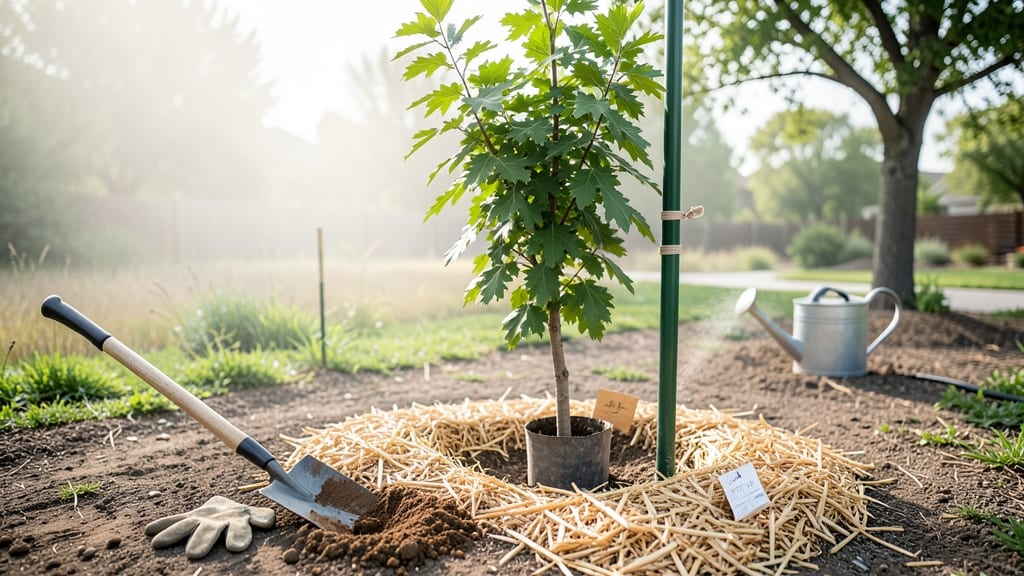
Timing your tree planting in Utah isn’t just about picking a season—it’s about surviving the state’s dramatic swings from freezing winters to scorching summers, where one wrong move can turn your 🌳 into a sad, stunted shrub.
If you’ve ever watched a neighbor’s thriving tree while yours struggles, you’re not alone. The key lies in Utah’s unique microclimates—from the high desert’s dry heat to mountain zones where frost lingers late.
Planting at the wrong time means battling drought, poor root establishment, or even losing your investment before it takes hold.
I’ve spent years helping Utah gardeners navigate these challenges, and the best time to plant isn’t just early spring or fall—it’s microclimate-smart. Whether you’re in Salt Lake City’s 6b zone or St. George’s 8a heat, the right window makes all the difference for long-term survival.
Let’s break down the exact months that work for your specific corner of Utah, plus the critical steps to ensure your tree doesn’t just survive—it thrives. Ready to plant with confidence?
Utah’s optimal tree planting windows by microclimate Zone
Utah’s diverse geography means one planting window doesn’t fit all. From the high desert’s extreme heat to the mountain’s early frosts, each region demands a tailored approach. I’ve broken down the ideal planting months for Utah’s four key microclimates—plus the temperature and moisture cues to watch for.
In Urban Valleys like Salt Lake City (USDA Zone 6b), aim for March through April or September to early October. These months offer soil moisture without summer’s scorching heat or winter’s freezing ground.
For High Desert areas (e.g., St. George, Zone 8a), stretch your window to February-March or October-November to avoid the 100°F+ summer stress.
Mountain regions (e.g., Park City, Zone 5b) have a shorter window: late April to early June or September. Plant too early, and frost will damage tender roots. Too late, and fall rains may not arrive in time for root establishment.
The Cold Desert (e.g., Bear River, Zone 5a) is the most time-sensitive. Focus on late April to May or early September. Here, snowmelt timing is critical—plant before the June drought sets in.
Timing isn’t just about months—it’s about soil conditions. In Utah, alkaline soil and low organic matter can delay root growth. I recommend amending soil 4–6 weeks before planting with compost or gypsum for clay-heavy areas. This gives microbes time to break down amendments and improve drainage.
Water availability is another non-negotiable factor. In Zone 8a (southern Utah), plant when spring rains replenish moisture—typically by late February. In Zone 5b (northern Utah), wait until snowmelt fully saturates the ground, usually by mid-April.
Always check 12 inches deep—if the soil is dry, delay planting.
Evergreen trees like Utah Juniper or Ponderosa Pine need extra caution. Their shallow roots despise waterlogged soil, so avoid planting after heavy rains. For these species, late September is often safer than October—it gives roots time to establish before winter dormancy.
Pro tip: Use a soil thermometer to confirm 50–60°F soil temps at planting depth. In Utah’s high desert, this might mean waiting until mid-April despite the calendar suggesting earlier. Patience here means higher survival rates.
Container-grown trees offer more flexibility than bare-root saplings. You can plant them year-round in Utah’s mild winters (except when temps drop below 20°F). However, spring or fall still gives them the best shot at root establishment before extreme heat or cold.
Remember: Utah’s microclimates shift dramatically over short distances. A neighbor’s successful planting in Zone 7 might fail in your Zone 6b yard just a few miles away. Always scout your specific site for 2–3 days before planting to gauge wind, sun exposure, and soil moisture.
Critical success factors for Utah tree planting beyond just timing
Utah’s alkaline soil and drought-prone conditions demand more than just picking the right month to plant your tree. I’ve seen too many beautiful saplings fail because they weren’t given the proper foundation.
The key to long-term survival starts with soil preparation, watering strategies, and choosing the right species for your specific microclimate.
First, test your soil’s pH—Utah’s natural alkalinity (often 7.5-8.5) can stunt root growth. Most trees prefer 6.0-7.0 pH, so amend with sulfur or peat moss if needed. I recommend using a soil test kit from your local extension office for precise adjustments.
This small step can mean the difference between a thriving tree and one struggling to establish roots.
Next, watering isn’t just about frequency—it’s about depth and consistency. Newly planted trees need 15-30 gallons of water per week for the first year, delivered in deep soakings rather than light sprinkles.
Utah’s evaporative heat means watering in the early morning (before 10 AM) minimizes loss. Pro tip: Use a soaker hose or drip irrigation to target roots directly.