
Trees
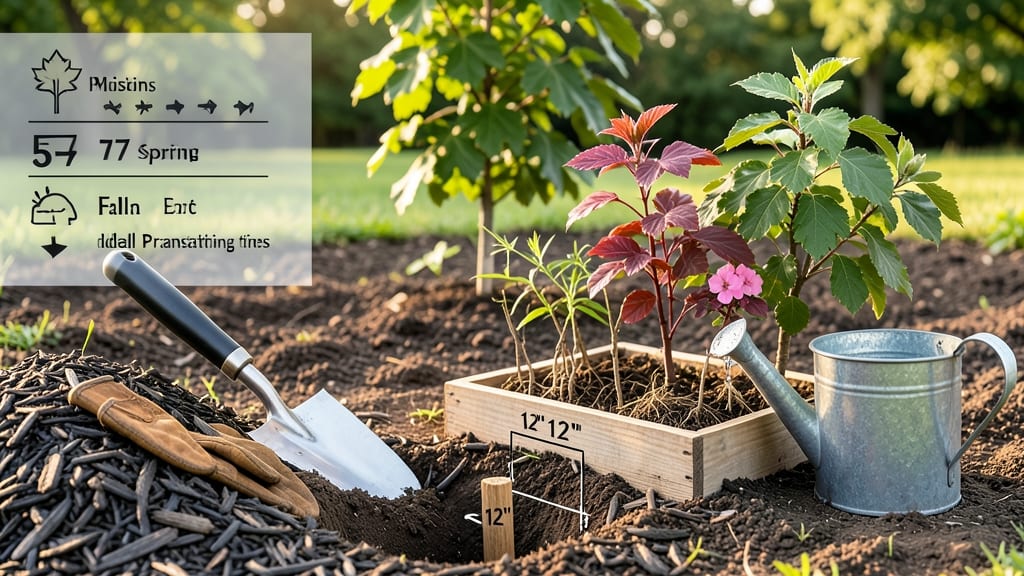
If you’ve ever planted a tree in Missouri only to watch it struggle through harsh winters or scorching summers, you’re not alone—but timing could be the missing piece.
The best time to plant trees in Missouri isn’t just about picking a season; it’s about aligning with your hardiness zone, soil conditions, and even the first frost dates to give your tree the strongest start.
Missouri’s climate, spanning USDA zones 5b-6b, creates a unique window where trees thrive. Whether you’re planting bare-root saplings or container-grown specimens, the 60-day rule before the first frost in October or after the last frost in April is your golden opportunity.
But here’s the catch: not all trees are equal—oaks, maples, and dogwoods each have their own ideal timing for maximum survival and growth.
I’ve dug into the science (and a few failed experiments) to break down the best months for planting in Missouri, from early spring’s gentle thaw to fall’s cooler temperatures. You’ll learn how to prep your soil, avoid common pitfalls, and even which native species play nice with your local climate.
Let’s make sure your next tree doesn’t just survive—it thrives.
Ready to turn your yard into a lush, long-term investment? The clock’s ticking—literally. Grab your gloves, and let’s get planting the right way.
Missouri’s ideal tree planting seasons: spring vs fall breakdown by hardiness zones
Missouri’s USDA hardiness zones 5b-6b create a unique challenge for tree planters. Unlike annuals, trees need 60 days of ideal growing conditions to establish roots before dormancy or extreme heat sets in.
That’s why fall (October-November) and early spring (March-April) dominate as the best windows—both offer cooler temps, moderate rainfall, and minimal pest pressure.
The Missouri Botanical Garden recommends avoiding summer planting due to heat stress and winter planting risks frost damage to tender roots. Even winter-hardy species like red oak (Quercus rubra) struggle when planted in January-February because frozen ground prevents proper root development.
Let’s compare the two prime seasons side-by-side to help you decide which timing works best for your Missouri property.
For northern Missouri (zones 5b), aim for late October planting—this gives roots time to establish before November’s first frost. In southern Missouri (zones 6a-6b), early November works, but avoid planting after mid-November when soil temps drop below 40°F.
Spring planting in Missouri requires patience. Plant bare-root trees in March (after last frost) and container-grown trees in April to avoid root circling. The Missouri Department of Conservation warns that planting too early (February) risks frost-heaving, where roots freeze and expand, damaging the tree.
Pro tip: Use a soil thermometer to confirm temps are consistently above 50°F before planting in spring. For fall, wait until leaf drop but before hard frost—typically mid-October to early November in most areas.
Regardless of season, amend your planting hole with compost or native soil mix to improve drainage. Missouri’s clay-heavy soils in zones 5b can suffocate roots if not amended properly. Mix in 1/3 compost with native soil for optimal results.
Remember: The first year is critical. Newly planted trees in Missouri need deep watering every 7-10 days (15-20 gallons per tree) to combat summer drought or winter desiccation. Mulch with 3-4 inches of wood chips to retain moisture and regulate soil temperature.
🌳
Missouri’s ideal tree planting seasons: spring vs fall breakdown by hardiness zones
Missouri’s USDA hardiness zones 5b–6b create a unique window for planting trees, where fall and early spring offer the best chances for survival. Unlike many states, Missouri’s humid subtropical influence in southern regions and continental climate in the north demand precise timing.
Planting outside these windows risks transplant shock or drought stress, especially for young roots.
The 60-day rule is your golden guideline: Plant trees 60 days before the first expected frost (mid-October) or 60 days after the last frost (mid-April). This ensures roots establish before extreme temperatures hit.
Missouri’s unpredictable spring rains and fall droughts add another layer of complexity—soil moisture must be just right for success.
🌳 Missouri Tree Planting Seasons Compared
| Factor | Spring Planting (March–April) | Fall Planting (October–November) |
|---|---|---|
| Soil Temperature | 50–60°F (ideal for root growth) | 50–60°F (cooler but still active) |
| Rainfall Patterns | Unpredictable (risk of flooding) | Steady (reduces drought stress) |
| Root Establishment Window | 60–90 days before summer heat | 60–90 days before frost |
| Best For | Bare-root trees, fast-growing species | Container-grown trees, slow growers |
| Missouri Zone 5b | April 1–15 | October 1–15 |
| Missouri Zone 6b | March 15–April 1 | November 1–15 |
For northern Missouri (zones 5a–5b), fall planting is often superior because soil stays workable longer and winter moisture helps roots establish. In southern Missouri (zones 6a–6b), spring planting avoids late-season droughts that can dry out young trees.
Always check local frost dates—St. Louis may differ by 2 weeks from Kansas City!
Container-grown trees offer flexibility and can be planted year-round (except extreme heat/cold), but bare-root trees thrive best in cooler months. If planting in summer (June–August), choose shaded days, water deeply every 3–5 days, and avoid plastic containers—they dry out roots faster than fabric pots.
Missouri’s urban vs. rural divide also matters: City sidewalks (like in Kansas City) compact soil, while rural areas (like Sedalia) offer looser, moisture-retentive dirt. Amend urban soil with compost and mycorrhizal fungi to mimic rural conditions—this doubles root growth in the first year.
Pro tip: Test your soil’s pH (6.0–7.0 ideal for most trees) and moisture retention before planting. Missouri’s clay-heavy soils in the Bootheel region need sand or peat moss to prevent waterlogging. Use a soil probe—if it’s soggy after rain, amend immediately.