
Trees
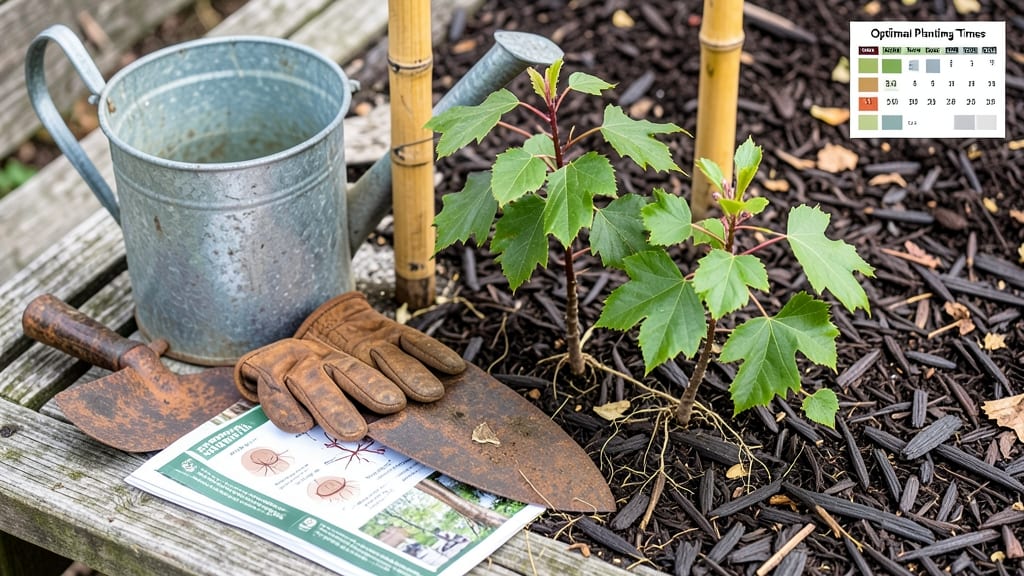
If you're asking "when is the best time to plant trees in Colorado", the answer isn't as simple as picking a season—it's about reading your microclimate like a pro.
Colorado's dramatic elevation shifts mean what works in Denver's 5-8 USDA zones might fail on the Western Slope's high desert, just 50 miles away.
Most gardeners swear by spring planting, but fall often delivers stronger root growth before winter dormancy kicks in. The key is timing it right: late winter to early spring (March-April) or early fall (September-October) gives your 🌳 the best shot at establishing itself before extreme temperatures arrive.
Here's where it gets interesting: container-grown trees offer more flexibility, while bare-root varieties demand precision. We'll break down the exact windows for Colorado's most popular species—plus the critical mistakes that turn promising saplings into sad statistics.
Ready to plant with confidence? Let's dive into the science behind Colorado's planting deadlines and how to match your tree species to your local microclimate for maximum survival rates.
Colorado planting zones: microclimate deadlines by elevation and region
Colorado’s diverse elevations create microclimates where a Denver yard might have 120 frost-free days, while Durango’s high desert could see just 90 days.
Understanding these zones is critical—planting a Colorado Blue Spruce in March on the Western Slope risks frost damage, while the same tree thrives in September on the Front Range.
Use the USDA Hardiness Zones 5-8 as a baseline, but adjust for elevation shifts (every 1,000 feet up = 1 zone colder). For example, Steamboat Springs (Zone 5) needs earlier fall planting than Colorado Springs (Zone 7), where late fall is still viable.
Here’s how to match your region to the best planting window, including last frost dates and soil thaw timelines critical for root establishment:
| Region | USDA Zone | Last Frost Date | Best Planting Window | Key Consideration |
|---|---|---|---|---|
| Front Range (Denver, Boulder) | 6-7 | April 1–15 | Spring: March 15–April 30 Fall: Sept 1–Oct 15 |
Soil thaws by mid-March; alkaline soil common—amend with compost. |
| Western Slope (Grand Junction, Durango) | 5-6 | April 15–May 1 | Spring: April 15–May 15 Fall: Aug 15–Sept 30 |
Drought-prone; prioritize deep watering and mulch. |
| Eastern Plains (Fort Collins, Greeley) | 5-6 | April 10–20 | Spring: March 30–April 30 Fall: Sept 1–Oct 10 |
Wind exposure high; stake young trees to prevent root uprooting. |
| Mountain Regions (Steamboat, Aspen) | 4-5 | May 10–20 | Spring: May 1–June 15 Fall: July 15–Aug 31 |
Short growing season; choose cold-hardy species like Engelmann Spruce. |
For container-grown trees, you have more flexibility—plant anytime soil isn’t frozen, but avoid extreme heat (July–August) when roots struggle to establish. Bare-root trees, however, must go in during dormant seasons (fall or early spring) to minimize transplant shock.
Pro tip: Check Colorado State University Extension’s frost maps annually, as climate shifts delay last frosts by 1–2 weeks each decade. For example, Denver’s last frost now averages April 5 instead of April 15.
If you’re planting evergreens like Ponderosa Pine, aim for September to let roots grow before winter. Deciduous trees, such as Gambel Oak, can handle spring planting as long as you water deeply until soil freezes.
Remember: Soil temperature matters more than air temperature. Use a soil thermometer—roots need soil at 50°F+ to thrive. In high-elevation areas, wait until May 1 to plant, even if snow has melted earlier.
For urban areas like Colorado Springs, where heat islands create microclimates, fall planting is ideal. The cooler nights reduce water stress, and trees establish roots before winter dormancy.
🌳
Tree species survival guide: best planting times for Colorado-native vs. non-native trees
Colorado’s diverse ecosystems demand species-specific timing for tree planting success. Native trees like Ponderosa Pine and Gambel Oak thrive when planted in early fall (September-October), giving roots time to establish before winter.
Their drought-resistant traits make them ideal for Colorado’s dry climates, but planting too late risks frost damage.
Non-native ornamentals like Japanese Maple or Colorado Blue Spruce prefer late winter to early spring (March-April) planting. These species need consistent moisture during root establishment, so spring’s reliable snowmelt aligns perfectly with their needs. Evergreens planted in fall may struggle with winter desiccation if not properly mulched.
Here’s how to match your tree to Colorado’s microclimates:
For non-native ornamentals, timing shifts based on water needs. Japanese Maple should never be planted in summer heat—its delicate roots scorch in Colorado’s 100°F+ temperatures.
Instead, plant in March-April when soil is cool but workable. Colorado Blue Spruce, however, handles fall planting better due to its cold-hardy roots.
Pro tip: Container-grown trees offer flexibility—plant them year-round (except winter), but bare-root varieties demand precise timing. Always check the USDA Zone for your elevation: Zone 5 (high mountains) vs. Zone 8 (southern Colorado) can differ by 4-6 weeks in frost dates.
Match your tree to the season, and you’ll see healthier growth in just 2-3 years—not the 5+ years of struggling saplings. 🌳