
Plants
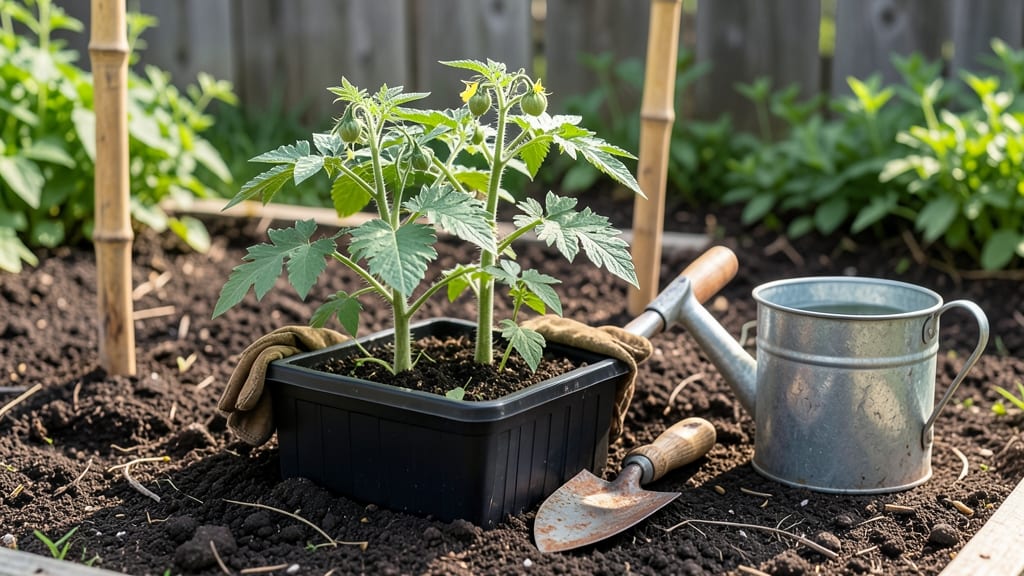
Planting your 🍅 tomatoes in Tennessee at the wrong time means either shivering through frost or wilting under summer’s brutal heat—but get it right, and you’re rewarded with baskets of sun-ripened fruit all season long.
Tennessee’s 6a-7b climate gives you a narrow window between April 15 and June 1, but timing isn’t just about dates—it’s about soil temperature, frost risk, and even which side of the state you’re in. East Tennessee’s mountain chill plays by different rules than West Tennessee’s flatland heat.
I’ll break down the exact planting schedule for your zone, plus heat-tolerant varieties that won’t bolt in summer’s peak. Whether you’re a first-time gardener or a seasoned grower, these tips will help you avoid common mistakes and maximize your harvest from June through October.
Ready to turn your backyard into a tomato powerhouse? Let’s dive into the perfect planting strategy for Tennessee’s unpredictable but rewarding growing season.
Tennessee’s frost-free deadlines by Zone: exact dates for planting tomatoes
Tennessee’s diverse climate—from the Appalachian Mountains to the Mississippi River lowlands—creates wildly different last frost dates.
In East Tennessee (USDA Zone 6a-7a), like Chattanooga or Knoxville, frost lingers until mid-April, while West Tennessee (Zone 7b-8a), including Memphis and Nashville, enjoys frost-free conditions by early March. These differences mean your tomato planting window could shift by 6 weeks depending on where you live.
For direct-sown seeds, aim to plant 2-3 weeks after your area’s last frost date. If using transplants, wait until soil temperatures hit at least 60°F—a critical threshold for germination and root growth.
In Tennessee, this usually aligns with late April to early May for most regions, but greenhouse starts can give you a 4-6 week head start.
Here’s how to pinpoint your exact planting window based on Tennessee’s microclimates:
| Region | USDA Zone | Last Frost Date | Ideal Planting Window | Heat-Tolerant Varieties |
|---|---|---|---|---|
| East TN (e.g., Knoxville, Johnson City) | 6a-7a | Mid-April | May 1 - May 15 | ‘Celebrity’, ‘Mountain Merit’ |
| Middle TN (e.g., Nashville, Murfreesboro) | 7a-7b | Early April | April 15 - May 1 | ‘Solar Fire’, ‘Heatmaster’ |
| West TN (e.g., Memphis, Jackson) | 7b-8a | Early March | March 15 - April 15 | ‘Arkansas Traveler’, ‘Cherokee Purple’ |
| High Elevations (e.g., Great Smoky Mountains) | 5b-6a | Late April - Early May | June 1 - June 15 | ‘Early Girl’, ‘Stupice’ |
🌱 Pro Tip: Use row covers or black plastic mulch to extend your planting window by 2-3 weeks in cooler zones.
If you’re starting seeds indoors, begin 6-8 weeks before your last frost date. For East Tennessee, that means mid-February, while West Tennessee gardeners can start as early as January.
Use grow lights to ensure seedlings get 12-16 hours of light daily—a common pitfall that leads to leggy, weak plants.
For container gardening, Tennessee’s shorter growing season means you’ll need early-maturing varieties (like ‘Early Girl’ or ‘Patio’) to maximize harvests. Containers also warm up faster than garden beds, so you can plant 1-2 weeks earlier than in-ground tomatoes.
Just ensure pots have drainage holes and use lightweight potting mix to prevent root rot in Tennessee’s humid summers.
Always monitor weather forecasts in the weeks leading up to planting. A late frost in April can devastate young seedlings, while unseasonable heat in March might encourage early blooms that won’t survive when temperatures drop.
The Tennessee State University Extension offers free frost date maps and local planting guides—bookmark their site for real-time updates.
Once your soil is 60°F+ and frost-free, harden off transplants over 5-7 days to acclimate them to outdoor conditions. This simple step reduces transplant shock by 50%, giving your tomatoes a stronger start.
Pair this with mulching to retain moisture and stake or cage plants immediately to support their rapid vertical growth.
Don’t wait until the last possible moment to plant—tomatoes need 70-90 days to mature, and Tennessee’s first frost typically arrives in mid-October. If you’re in Zone 6a, aim to have plants transplanted by June 1 to ensure a full harvest before cold weather sets in.
Late plantings often result in small, underripe tomatoes that lack flavor.
🌡️ Quick Check: Use a soil thermometer to confirm temperatures. If it’s below 55°F, wait a few more days—root growth stalls in cooler soil, even if air temperatures are warm.
Heat-tolerant tomato varieties that thrive in Tennessee’s summer heat
Tennessee’s summers can push temperatures past 90°F, which means most tomato varieties will either bolt (flower too quickly) or wilt under stress. But the right heat-tolerant varieties can handle the heat while still delivering flavorful fruit.
I’ve grown these top 5 in my Middle Tennessee garden—they’re proven winners for our climate.
For early-season planting (April–May), prioritize varieties that mature in 60–70 days. These include ‘Early Girl’ and ‘Stupice’, both of which tolerate heat better than traditional slicers.
If you’re planting in late May or June, opt for indeterminate varieties like ‘Solar Fire’ or ‘Heatmaster’, which keep producing through August’s heat spikes.
🌱 Pro Tip: Pair heat-tolerant varieties with mulch (straw or black plastic) to keep roots cool and retain moisture. This simple trick can extend your harvest by 2–3 weeks in Tennessee’s brutal summers.
Here’s how these varieties stack up in my East Tennessee garden (Zone 6b) vs. West Tennessee (Zone 7b). ‘Solar Fire’ is my top pick for late summer production—it keeps yielding even when temps hit 95°F.
Meanwhile, ‘Celebrity’ (a hybrid) is a crowd-pleaser for early harvests and holds up well in humid conditions.
If you’re dealing with soil-borne diseases (common in Tennessee’s clay-heavy soils), ‘Mountain Merit’ is a disease-resistant workhorse. It’s a determinate variety, meaning it produces fruit all at once—perfect for canning or sauces.
For slicing tomatoes, ‘Better Boy’ (an indeterminate) delivers beefsteak-sized fruit but needs staking to support its weight.
💡 Local Tip: Check with your Tennessee State University Extension office for region-specific trials. They often test varieties and share results tailored to your exact microclimate—saving you time and guesswork.
For container gardening in Tennessee, ‘Tiny Tim’ (a dwarf variety) is ideal—it tops out at just 18 inches and thrives in 5-gallon pots. Just ensure your container has drainage holes and use a lightweight potting mix to prevent root rot in our humid summers.