
Plants
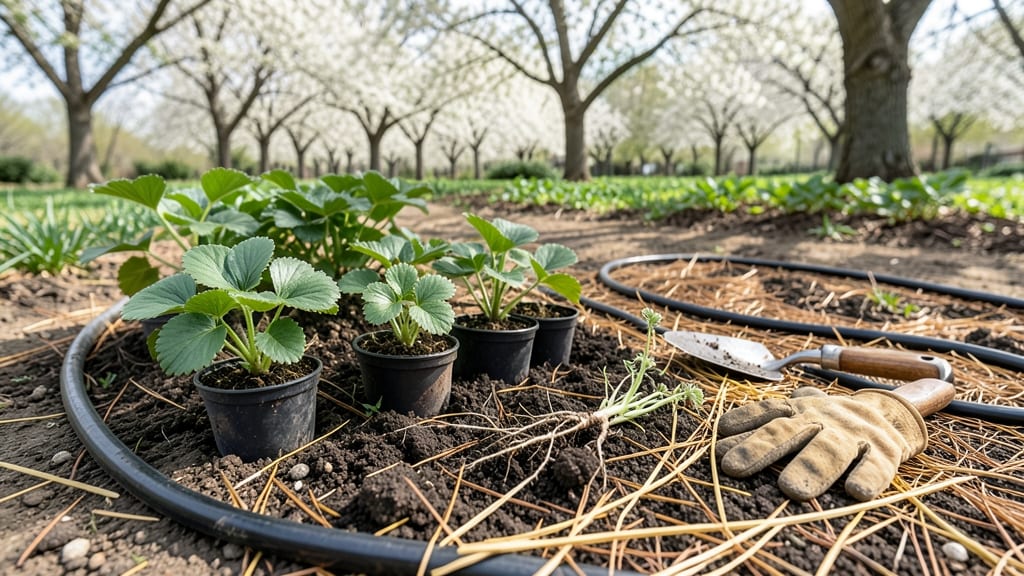
If you’ve ever wondered when is the best time to plant strawberries in Texas only to watch them wilt under the summer sun or freeze before fruiting, you’re not alone.
The key to a thriving strawberry patch here isn’t just luck—it’s timing, and getting it right means the difference between a bountiful harvest and wasted effort.
Texas gardeners know the struggle: blistering summers and unpredictable winters demand precision. Plant too early, and your berries may bolt in the heat; too late, and they’ll struggle to establish roots before frost.
But here’s the good news: with the right month-by-month strategy, you can outsmart Texas’ climate and enjoy sweet, homegrown strawberries twice a year.
In this guide, I’ll break down the exact best times to plant strawberries in Texas—whether you’re in North, Central, or South Texas—plus the heat-tolerant varieties that thrive here. No more guesswork, just science-backed tips to set your strawberries up for success.
Ready to turn your garden into a strawberry paradise? Let’s get started with the optimal planting windows that work for your region.
Optimal planting months in Texas: a region-by-region breakdown for maximum yield
Texas’s diverse climate zones mean your strawberry planting window depends heavily on where you live. North Texas (like Dallas/Fort Worth) has cooler winters, while South Texas (Houston/Beaumont) rarely sees frost.
Central Texas (Austin/San Antonio) falls somewhere in between. Let’s break down the best months to plant for each region to ensure your berries thrive.
In North Texas, aim for early fall (September-October) or late winter (February-March). The key is planting 4-6 weeks before the first frost, which typically hits around January 15. This gives roots time to establish before cold sets in.
For Central Texas, shift your timeline slightly: late August-September for fall or February-March for spring. The first frost here usually arrives around December 1, so you’ve got a bit more leeway.
South Texas gardeners have the most flexibility due to mild winters. You can plant year-round, but September-October and February-March are still ideal. Avoid planting in peak summer (June-August) when temperatures often exceed 95°F, stressing young plants. Even heat-tolerant varieties struggle to establish roots in extreme heat.
For bare-root plants, timing is critical—they need cool soil (60-65°F) to root successfully. Potted strawberries are more forgiving but still benefit from fall or early spring planting. In all regions, avoid planting in summer unless you’re using shade cloth or a high-elevation microclimate.
Here’s a quick reference for your region:
| Region | Best Planting Months | First Frost Date | Soil Temp Goal |
|---|---|---|---|
| North Texas (Dallas/Fort Worth) | September-October or February-March | January 15 | 60-65°F |
| Central Texas (Austin/San Antonio) | Late August-September or February-March | December 1 | 60-65°F |
| South Texas (Houston/Beaumont) | September-October or February-March (year-round possible) | January 1 | 60-65°F |
If you’re planting in containers, you can extend your window slightly, but still prioritize cooler months. Containers dry out faster in Texas heat, so ensure your pots have drainage holes and use lightweight potting mix.
For in-ground planting, amend your soil with compost or aged manure 2-3 weeks before planting to improve drainage and fertility.
Pro tip: Use a soil thermometer to check temperatures before planting. Strawberry roots need consistent moisture and cool soil to establish. If your soil is above 70°F, delay planting until temperatures drop. In North Texas, this might mean waiting until late October for fall planting.
Once planted, mulch heavily with straw or pine needles to retain moisture and protect roots from temperature swings. In South Texas, where winters are mild, mulching also prevents root rot from occasional heavy rains. Adjust your mulch depth—2-3 inches is ideal for moisture retention without smothering the plants.
Timing isn’t just about the calendar—it’s about reading your microclimate. If you live in a low-lying area or near a large body of water, frosts may arrive earlier.
Conversely, hilltops or urban heat islands can delay frost by weeks. Pay attention to local weather patterns and adjust your planting date accordingly.
Finally, remember that fall-planted strawberries often produce earlier and more abundantly the following spring. This is because they’ve had months to establish roots before the growing season kicks in. Don’t rush—patience in planting pays off with sweeter, larger berries and stronger plants for years to come.
Critical pre-planting steps to ensure strong roots in Texas’ harsh climate
Texas soil can be a double-edged sword for strawberries—too alkaline in some areas, compacted in others, and often lacking organic matter. To give your plants the best shot, start by testing your soil pH with a home kit.
Strawberries thrive in acidic soil (5.5–6.5). If your soil tests higher, amend it with sulfur or peat moss 4–6 weeks before planting.
Next, focus on soil structure. Texas clay soils hold moisture but suffocate roots. Mix in compost or aged manure to improve drainage and aeration. For raised beds, use a blend of 50% native soil, 30% compost, and 20% perlite to create the perfect growing medium.
Texas’s late-spring heat spikes (April–May) can scorch young strawberry plants. Avoid planting during these months unless you’re using shade cloth (30–50%) or a drip irrigation system to keep roots cool.
If you must plant in summer, opt for everbearing or day-neutral varieties like 'Seascape' or 'Fort Laramie,' which tolerate heat slightly better.
Mulching is non-negotiable in Texas. Apply 2–3 inches of organic mulch (straw, pine needles, or wood chips) to retain moisture and regulate soil temperature. Avoid dark mulches like black plastic, which can overheat soil and stress plants.
Watering strategy is just as critical. Strawberries need consistent moisture, but soggy soil invites fungal diseases like gray mold. Use drip irrigation or soaker hoses to deliver water directly to the roots, and always water in the early morning to reduce evaporation and disease risk.
Finally, protect your plants from pests and wildlife. Texas’s armadillos, birds, and slugs love strawberries. Use row covers for young plants and set up physical barriers (like chicken wire) around beds. For organic pest control, spray plants with a neem oil solution weekly.
With these steps, your strawberries will establish strong root systems before Texas’s brutal summers hit—setting you up for a bountiful harvest. The key is preparation, not luck.