
Plants
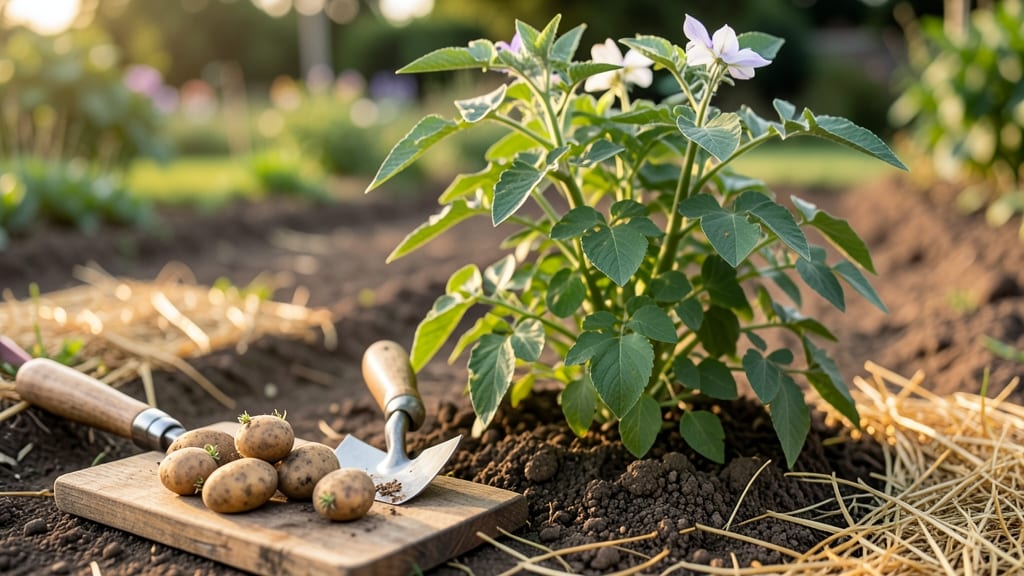
When is the best time to plant potatoes in Georgia? Timing your potato planting in Georgia can mean the difference between a bumper crop and a disappointing harvest. With the state's 7b-8b climate, you've got a longer growing window than most—but getting it wrong means stunted tubers or even total failure. The secret isn't just about avoiding frost; it's about understanding when your soil warms enough for those 🥔 sprouts to take off.
Most Georgia gardeners plant between February and May, but the best time depends on your specific variety and region. Early varieties can go in as soon as soil reaches 45°F, while late varieties wait until April-May.
Coastal areas might have a slightly later start than the Piedmont, so knowing your local frost dates is key.
I'll walk you through the exact planting windows for your zone, which varieties thrive best in Georgia's heat, and how to adjust for summer planting if you want a fall harvest.
You'll also discover the one common mistake that ruins more Georgia potato crops than anything else—and how to avoid it.
Whether you're a first-time gardener or a seasoned pro, these insights will help you grow bigger, healthier potatoes with less guesswork. Let's get your 🥔 patch off to the perfect start this spring.
Georgia’s ideal potato planting window: frost dates & soil temperature rules
Georgia’s USDA Zones 7b-8b give us a 210-day frost-free window, perfect for growing potatoes—but timing matters. The last average frost date is mid-March, while the first frost typically hits mid-November.
To maximize your harvest, aim to plant when soil temperatures hit 45°F, which usually occurs in late February to early March for early varieties.
For late varieties, wait until April to May when soil warms further. This timing ensures your potatoes sprout quickly and avoid late frost damage.
Check the USDA Plant Hardiness Zone Map for your exact county, as mountain regions (like Blue Ridge) may have 2-3 weeks later frost dates than coastal areas.
Pro tip: Use a soil thermometer to confirm temperatures. Planting too early in cold soil delays sprouting, while waiting too long risks overheating and poor tuber formation. Aim for 50-60°F soil temps for ideal growth.
🌱
| Key Factor | Georgia-Specific Guideline |
|---|---|
| Last Frost Date | Mid-March (varies by region) |
| First Frost Date | Mid-November |
| Ideal Soil Temp | 45°F+ for sprouting |
| Early Variety Window | Late Feb - Early March |
| Late Variety Window | April - Early May |
| Mountain Regions | Delay 2-3 weeks |
If you’re growing early varieties like Yukon Gold, plant in February for a spring harvest by June. For late varieties such as Russet, wait until April to avoid summer blight in Georgia’s humid heat.
Always plant 4-6 weeks before your last frost date to ensure tubers form before extreme heat sets in.
For fall potatoes, consider a September planting if you want a harvest before the first frost. This works best with early-maturing varieties like Red Pontiac, which can be harvested in November. Just be prepared to mulch heavily to protect tubers from early cold snaps.
One common mistake I see is planting based on air temperature instead of soil temperature. A 60°F day doesn’t mean your soil is ready—always check 2-3 inches deep with a thermometer. Cold soil slows sprouting and increases rot risk.
🌡️
To adjust for Georgia’s microclimates, note that coastal areas (like Savannah) can plant 2 weeks earlier than Piedmont regions (like Athens). Use local agricultural extension offices for county-specific advice. For example, the University of Georgia Extension provides free frost date maps tailored to your ZIP code.
Remember: Potatoes need consistent moisture after planting, so water deeply 1-2 times per week once sprouts emerge. Shallow watering leads to small, misshapen tubers. For best results, mulch with straw to retain moisture and regulate soil temperature.
✂️
Best potato varieties for Georgia’s climate & when to plant them
Georgia’s humid subtropical climate means you can grow potatoes year-round, but the key is choosing the right varieties for your planting window. Early varieties like Yukon Gold thrive in cooler spring soil, while heat-tolerant Red Pontiac handles Georgia’s summer heat better.
The wrong choice can lead to blight or poor yields, so let’s match your timing to the perfect spud!
For spring planting (February–April), focus on early-maturing varieties like Red LaSoda (70 days) or Kennebec (90 days). These varieties handle Georgia’s late frosts and produce tubers before summer humidity peaks.
If you’re planting in late summer (September–October) for a fall harvest, opt for late-season varieties like Russian Banana or Purple Viking, which tolerate cooler soil.
Here’s how to pick the best variety for your Georgia garden:
| Variety | Planting Window | Days to Harvest | Best For |
|---|---|---|---|
| Yukon Gold | Feb–March | 90–110 | Buttery texture, spring harvests |
| Red Pontiac | March–April | 80–90 | Heat tolerance, storage |
| Russian Banana | Sept–Oct | 100–120 | Fall harvests, long storage |
| Purple Viking | April–May | 90–100 | Antioxidant-rich, summer heat |
If you’re planting in coastal Georgia, where humidity is higher, avoid susceptible varieties like Kennebec in summer—they’ll rot faster. Instead, go for disease-resistant types like Adirondack Red or Katahdin. For mountain regions, cooler nights suit early varieties like Chieftain, which matures in just 60 days.
Pro tip: Chit your seed potatoes (sprout them indoors) 4–6 weeks before planting to jumpstart growth. Place them in a bright, cool spot (60–65°F) and watch for 1-inch sprouts—these will give you a 2-week head start on the season.
Just don’t plant them too early; cold soil (<45°F) will stunt sprouts.
For fall planting, aim for September 1st in most of Georgia—this gives tubers time to mature before the first frost (mid-November). Use row covers if nights dip below 50°F to protect young plants.
And remember: shallow planting (2–3 inches deep) in warm soil speeds up germination, but deep planting (4–6 inches) prevents greening in late-season crops.
Now that you’ve got the right varieties and timing, your next move is to prep your soil—and avoid the #1 Georgia potato mistake (coming up next!). 🌱🥔