
Plants
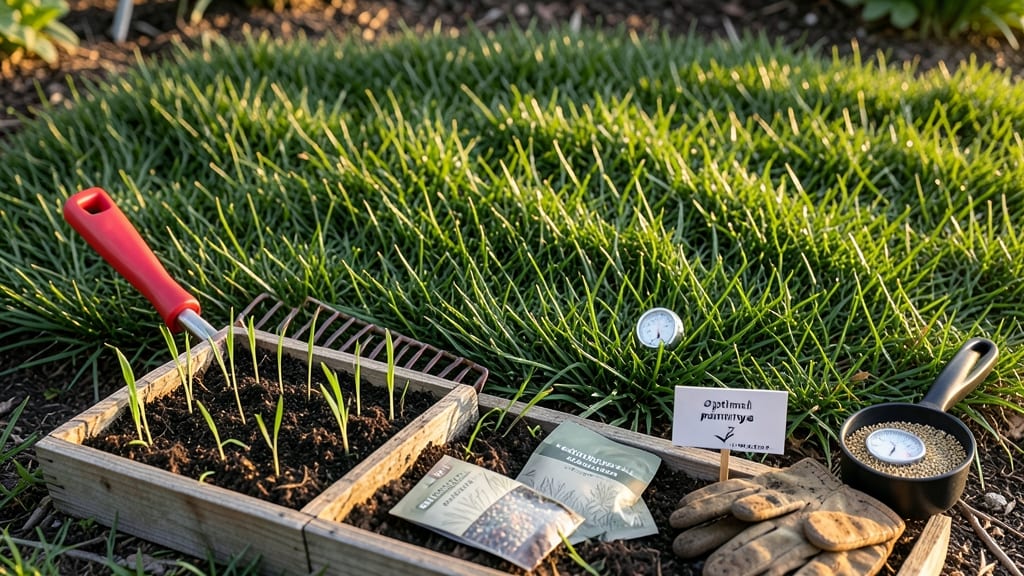
If you’ve ever stared at a patchy lawn wondering why your grass seed just didn’t take, the answer might be simpler than you think: the best time to plant grass in Pennsylvania isn’t just about seasons—it’s about your specific zone, soil temperature, and even the phase of the moon (okay, maybe not that last one).
Pennsylvania’s 5b-7a climate zones mean your neighbor’s perfect timing might not work for you. Early spring and early fall are the gold standards, but getting it wrong could leave your yard struggling with weeds or sparse growth.
Let’s cut through the guesswork and pinpoint the exact windows for your part of the state—plus the critical prep steps to ensure your grass thrives.
Whether you’re in Pittsburgh’s cooler hills or Philadelphia’s warmer sprawl, knowing when to plant isn’t just about avoiding frost—it’s about giving your grass the ideal 6-8 weeks to establish deep roots before summer heat or winter dormancy kicks in.
I’ll walk you through the science, the tools, and the common mistakes that turn a great lawn into a DIY disaster.
Ready to stop second-guessing and start growing? Let’s dive into the timeline, zone-by-zone, so you can finally have the lush, weed-free lawn you’ve been dreaming of—without the trial and error.
Pennsylvania grass planting timeline: spring vs fall by USDA hardiness zone
Pennsylvania spans USDA zones 5b-7a, meaning your optimal planting window depends on whether you’re in Pittsburgh (5b-6a), Philadelphia (6b-7a), or the Poconos (5a-5b). Cool-season grasses like Kentucky bluegrass and tall fescue dominate PA lawns, thriving in spring and fall—but timing is everything.
For most of Pennsylvania, the ideal planting months are March-April (spring) and September-October (fall). These windows align with soil temperatures between 50°F-65°F, when seeds germinate quickly but weeds are less aggressive.
Southern PA (zones 6b-7a) can extend spring planting into May, while northern regions should aim for late April to avoid late frosts.
Warm-season grasses like Bermuda grass (rare in PA) have a late spring planting window (May-June), but they’re not ideal for PA’s climate. Stick with cool-season varieties unless you’re in southern Chester County or Delaware Valley, where microclimates allow for slight flexibility.
🌱
| Zone & Region | Spring Planting Window | Fall Planting Window | Soil Temp Threshold | Key Consideration |
|---|---|---|---|---|
| 5b (Pittsburgh, State College) | Late April - Early May | Mid-September - Early October | 50°F-60°F | Late frosts common; use frost cloth |
| 6a (Harrisburg, Lancaster) | March - Mid-April | Late September - Mid-October | 55°F-65°F | Moderate rainfall; monitor for drought |
| 6b-7a (Philadelphia, Wilmington) | February - Early May | October - Early November | 60°F-70°F | Urban heat islands delay fall frost |
| 5a (Poconos, Scranton) | May (after last frost) | Early September | 45°F-55°F | Short growing season; use cold-hardy varieties |
Spring planting in northern PA (zones 5a-5b) should wait until after the last frost date (typically April 15), but southern PA can start as early as February if soil temps stay above 50°F. Use a soil thermometer to confirm—cold soil slows germination and invites disease.
Fall is often the best time for PA lawns because cooler temps reduce weed competition, and grass establishes roots before winter. Aim to plant 4-6 weeks before your first frost (usually mid-October for most regions).
In urban areas like Philadelphia, fall planting can extend into November due to heat retention.
For overseeding (adding grass to thin areas), late summer (August) is ideal—it gives new seeds time to germinate before winter. Use a high-quality cool-season blend like tall fescue for shade or Kentucky bluegrass for sun.
🌿
Pro tip: If you’re renovating an existing lawn,
5 Critical factors that determine your ideal planting window in PA
Timing your grass planting isn’t just about checking a calendar—it’s about understanding your local microclimate. Pennsylvania’s diverse zones mean a Philadelphia lawn might thrive in May while Pittsburgh grass needs to wait until June.
The key is assessing these five critical factors before you even pick up your seed bag.
First, soil temperature is your best friend. Cool-season grasses like Kentucky bluegrass and tall fescue need soil temps between 50-65°F. Use a soil thermometer (just $10 at garden centers) to check 2-3 inches deep—this is deeper than most people test!
If it’s colder, wait; if it’s hotter, you’re risking seed dormancy.
Next, moisture levels must be consistent. Grass seed needs constant moisture to germinate, but soggy soil leads to rot. Aim for 1-1.5 inches of rain or watering weekly. Check your local NOAA rainfall forecasts—Pennsylvania’s spring showers can be hit-or-miss, especially in Erie County where lake-effect clouds play havoc.
Don’t overlook weed competition. If your soil is already choked with crabgrass or dandelions, new grass seedlings will struggle. Apply a pre-emergent herbicide 2-3 weeks before planting, but never use post-emergent weed killers—they’ll kill your grass too.
A quick vinegar spray test can reveal weed pressure: if weeds die within 24 hours, your soil’s ready.
Seed viability is another often-missed factor. Grass seed loses potency after 1-2 years, especially in Pennsylvania’s humid summers. Check the packaging date—if it’s older than 2022, repurchase. For high-traffic areas, mix 10% perennial ryegrass with your blend; it germinates faster and crowds out weeds.
Finally, local weather trends trump general rules. Use the National Weather Service’s 7-day forecast and look for 3+ days above 60°F without frost warnings. In northern PA (zones 5b-6a), late May frosts are common—plant 6 weeks before your last frost date to avoid this.
For southern PA (zone 7a), early September is ideal to beat summer’s 100°F+ heat waves.
Pro tip: Bookmark the PA State Climate Office website. Their historical frost maps show that Pocono Mountains areas average 10-14 days later for last frost than Philadelphia. Small details make all the difference!
Use a thermometer; ideal range: 50-65°F for cool-season grasses
1-1.5" weekly (rain + water); avoid soggy soil
Pre-treat with herbicide; test with vinegar spray
Replace seed older than 2 years; check packaging dates
Use NOAA forecasts; avoid planting before 3 frost-free days
Now that you’ve mastered these factors, you’re ready to pick your perfect planting window. But even with the right timing, one wrong move can derail your entire lawn. In the next section, I’ll reveal the most common mistakes Pennsylvania gardeners make—and how to sidestep them completely.