
Trees
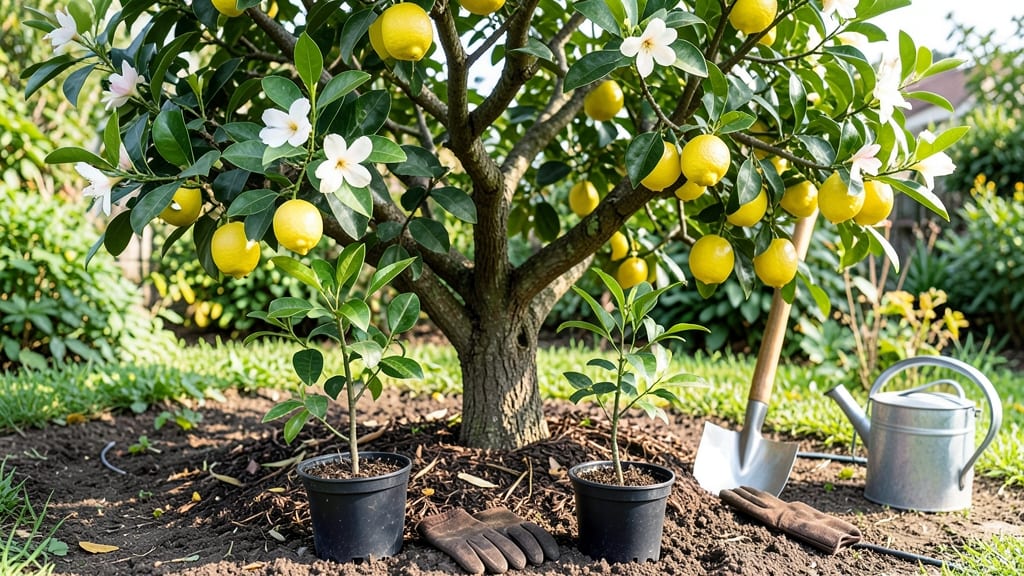
Planting a 🍊 citrus tree in Arizona isn’t just about digging a hole—it’s about timing it right to beat the desert’s extremes. The best time to plant your citrus tree in Arizona is during the cooler months, when temperatures are mild and the risk of transplant shock drops dramatically.
Why does timing matter so much? Arizona’s 9b-11 climate zones can swing from scorching summers to rare winter chills, and planting outside the ideal window means your tree could struggle to establish roots before stress sets in.
If you get it wrong, you might end up with a sad, stunted sapling instead of a thriving fruit-bearing tree.
Here’s the good news: with the right approach, you can plant your citrus tree between November and March—the perfect window to give it a strong start.
I’ll walk you through exactly what to do, from soil prep to variety selection, so you can avoid common mistakes and set your tree up for success.
Whether you’re a first-time gardener or a seasoned grower, these insights will help you plant with confidence and enjoy a bountiful harvest year-round. Let’s get your citrus tree off to the best possible start!
Optimal Arizona citrus planting months: exact timing for success
Arizona’s mild winter temperatures and low humidity create the perfect window for planting citrus trees—November through March—when soil stays workable and extreme heat hasn’t arrived yet. This 4-month window minimizes transplant shock and gives young roots time to establish before summer’s intensity.
Citrus trees thrive in Arizona’s USDA Zones 9b-11, where frost is rare but possible in high-elevation areas like Flagstaff or Prescott. Even in low desert regions like Phoenix or Tucson, planting outside this window risks heat stress or dormancy disruption.
Here’s the exact timing breakdown for each month, including soil temperature thresholds and microclimate considerations:
For container planting, extend your window slightly into April—just avoid 100°F+ days, which can scorch young leaves. In high-desert areas, delay until late March to avoid late frosts.
Pro tip: Test soil moisture before planting—dry soil in November/December may need pre-watering 24 hours ahead to reduce shock. Aim for 60% moisture at planting depth.
Citrus trees planted in this window can produce fruit within 2–3 years in Arizona’s climate, but soil prep is 50% of the battle. Next, we’ll cover amending clay-heavy Arizona soil and selecting the hardiest varieties for your region.
🌱
Optimal Arizona citrus planting months: exact timing for success
Arizona’s cooler winter months—from November through March—are your best bet for planting citrus trees. This window aligns with the tree’s natural dormancy period, reducing stress and giving roots time to establish before summer’s brutal heat arrives.
Why? Citrus trees thrive in 60-80°F soil temperatures. Planting outside this range risks transplant shock or even death from extreme heat or rare frost. In Phoenix and Tucson (Zones 9b-10a), November-March offers perfect conditions, while Flagstaff (Zone 7b) gardeners should aim for late spring after frost danger passes.
Here’s the critical timeline: November-December is ideal for low-elevation areas, while January-February suits cooler microclimates. Avoid planting in April or later—summer’s 110°F+ temps will stress young roots.
| Month | Temperature Range | Best For | Soil Prep Tip |
|---|---|---|---|
| November | 55-75°F | Low elevation | Amend soil with compost |
| December | 50-70°F | All regions | Test pH (6.0-7.0) |
| January | 45-65°F | Cooler microclimates | Add sand for drainage |
| February | 55-75°F | High elevation | Mulch heavily |
| March | 60-80°F | All regions | Water deeply before planting |
Pro tip: Meyer lemons and Satsuma mandarins handle Arizona’s climate best. These varieties tolerate brief cold snaps down to 20°F—critical for high-desert areas like Sedona.
For container planting, April is acceptable if you use 5+ gallon pots with self-watering reservoirs. Just move containers to shade during summer’s peak heat to prevent root burn.
Remember: Transplant shock is the #1 killer of newly planted citrus. Water deeply every 3-5 days for the first month, then taper to weekly deep soakings once established. Mulch with 3-4 inches of wood chips to retain moisture and regulate soil temp.