
Plants
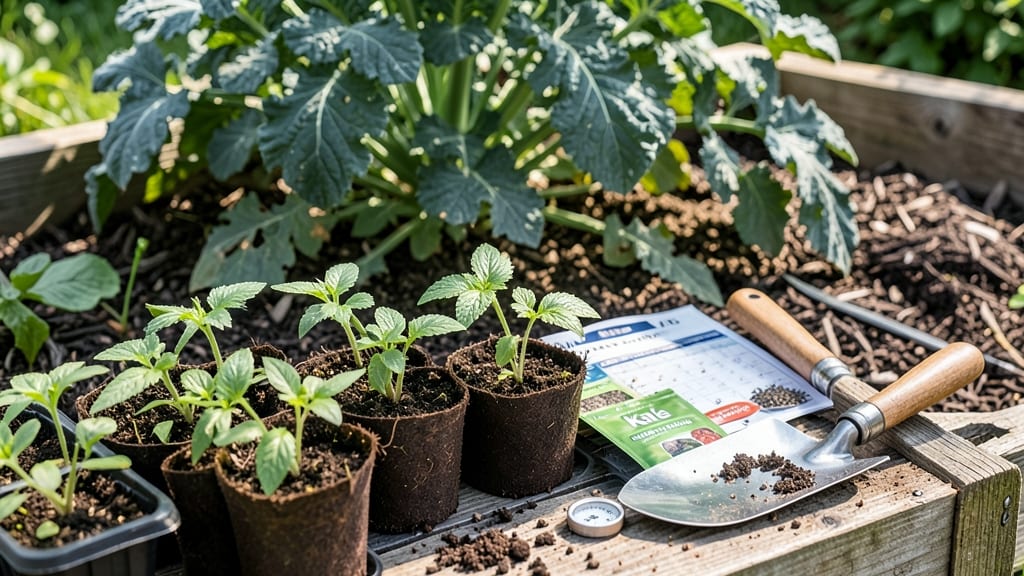
Timing when it is safe to plant in Minnesota just right can mean the difference between a lush, productive harvest and a frost-killed disappointment. Knowing when it's safe to plant isn't just about dates—it's about understanding your zone's quirks, soil warmth, and even last year's unpredictable weather patterns.
I've seen firsthand how a late-May frost can wipe out tender seedlings overnight, or how rushing warm-season crops too early leads to stunted growth. The key is balancing historical averages with real-time conditions, so you can start planting with confidence.
Let me walk you through exactly when to put those seeds in the ground for your specific Minnesota zone.
Whether you're in the northern reaches of Zone 3 or the southern stretches of Zone 5, the right planting window makes all the difference. We'll cover soil temperature guidelines, frost-free date averages, and smart strategies to extend your growing season—because in Minnesota, every extra week counts.
From hardy greens to heat-loving tomatoes, I'll show you how to time each crop perfectly. No more guessing—just proven methods to help your garden thrive, no matter what Mother Nature throws your way this spring.
Minnesota’s exact frost-free dates by hardiness Zone (2024 guide)
Minnesota’s frost-free dates vary dramatically across its USDA Zones 3-5, making precise timing critical for your garden’s success. Northern areas like Zone 3 (e.g., International Falls) average 100-120 frost-free days, while southern regions like Zone 5 (e.g., Rochester) enjoy 140-160 days.
These differences mean planting tomatoes in May works in the south but risks frost in the north.
For warm-season crops like peppers and beans, wait until soil temperatures consistently reach 55°F—not just air temperatures. Cold soil slows germination, even if the air feels warm. Use a soil thermometer to confirm readiness, especially in Zone 4 areas where late frosts linger into June.
Here’s how to use these dates: Subtract 2-3 weeks from your last frost date for direct-sown seeds (e.g., beans, carrots), and 1-2 weeks for transplants (e.g., tomatoes, peppers). This accounts for slower growth in cooler soil.
Urban vs. rural gardens also differ. Cities like Minneapolis (Zone 4b) often see 2-3°F warmer microclimates due to concrete, while rural areas may experience earlier frosts. Check local Almanac records or Minnesota State Climatology data for your exact location.
For Zone 3, aim to plant cold-hardy crops like kale or peas by late April, while Zone 5 gardeners can start tomatoes outdoors by mid-May. Always have row covers ready for unexpected late frosts—even in June!
| Zone | Avg. Last Frost | Avg. First Frost | Safe Planting Window | Key Crops |
|---|---|---|---|---|
| Zone 3 (North) | May 10–20 | Sept 20–Oct 5 | May 25–June 10 | Peas, spinach, early potatoes |
| Zone 4 (Central) | May 1–15 | Sept 25–Oct 10 | May 15–June 5 | Tomatoes, peppers, beans |
| Zone 5 (South) | April 25–May 10 | Oct 10–20 | May 1–May 20 | Cucumbers, squash, melons |
*Dates based on 30-year averages; adjust 1–2 weeks for microclimates.
Pro tip: Use Minnesota’s Plant Hardiness Map to cross-reference your USDA Zone with local variations. For example, Duluth (Zone 3b) may have 10 days earlier frosts than St. Paul (Zone 4a), even though they’re close in distance.
For warm-season crops, prioritize fast-maturing varieties (e.g., ‘Early Girl’ tomatoes or ‘Bush Blue Lake’ beans) to maximize yields. In Zone 3, start seeds indoors 6–8 weeks before your last frost to give plants a head start.
Always monitor weekly forecasts in late spring. A 50°F night can kill young tomato seedlings, even if daytime highs are warm. Keep frost cloth handy for sensitive transplants until mid-June in most areas.
Extend your season by planting succession crops like radishes or lettuce every 2 weeks after your last frost. This ensures a steady harvest even if the growing season shrinks unexpectedly.
🌱
How to adjust planting times for Minnesota’s unpredictable weather
Minnesota’s frost dates can shift dramatically from year to year, leaving gardeners like me scrambling to adjust. Even if your neighbors planted tomatoes on Memorial Day, a late frost could wipe out your crop. The key is using soil temperature and microclimate knowledge to fine-tune your schedule.
Start by checking soil warmth—most warm-season crops like peppers and cucumbers need soil at 60°F or warmer before planting. A simple soil thermometer (just $10) takes the guesswork out of timing. In Zone 4, this often means waiting until late May or even early June.
For extra protection, use row covers or cold frames to extend your season by 2-4 weeks. These tools create a mini greenhouse effect, shielding tender plants from late spring frosts. I’ve had great success with floating row covers over my lettuce and spinach beds in early April.
Urban gardeners should also account for the heat island effect, where city areas stay 5-10°F warmer than rural zones. This can mean planting 1-2 weeks earlier in Minneapolis than in northern Minnesota. Use local weather stations (like the Minnesota State Climatology Office) for hyper-local data.
If you’re worried about first fall frost cutting your season short, opt for fast-maturing varieties or succession plant. For example, bush beans mature in just 50 days, giving you two harvests before frost. Always have a backup plan—like a greenhouse or indoor grow lights—for late-season crops.
Finally, keep a planting journal to track what works each year. Note when you planted, any frost events, and how crops performed. Over time, you’ll spot patterns and refine your schedule to Minnesota’s quirks—like that May snowstorm that hits every 5 years.