
Flowers
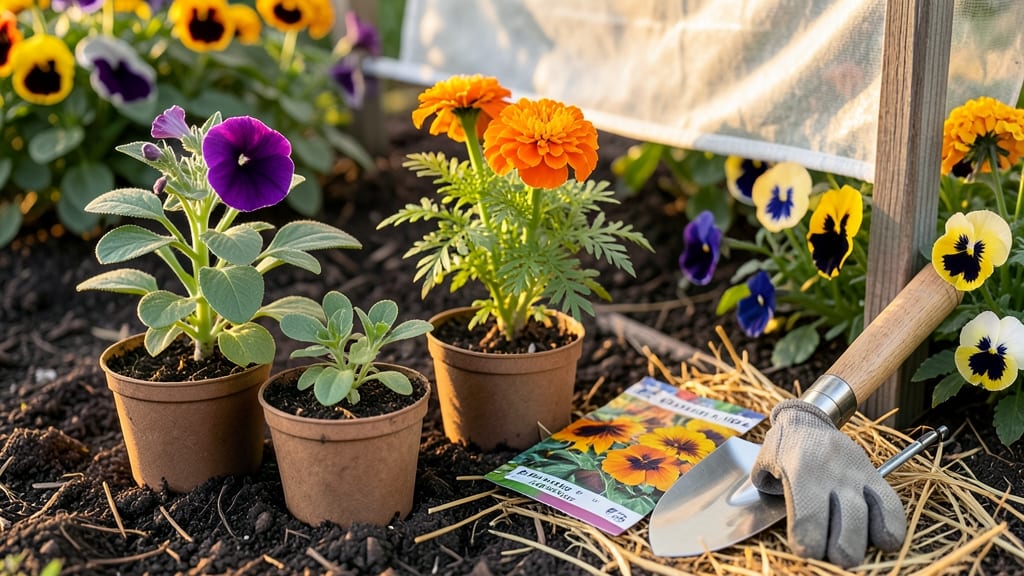
If you've ever wondered when it is safe to plant flowers in Michigan only to watch frost nip your blooms before they open, you know timing is everything. The last frost date isn't just a number—it's the difference between a vibrant summer garden and a season of disappointment.
Michigan's diverse hardiness zones mean what works in Detroit might fail in Traverse City, and getting it right starts with understanding your local climate patterns.
Most Michigan gardeners wait until after May 15th to plant tender annuals, but that date shifts depending on whether you're in Zone 5 or 6. Perennials like coneflowers can handle cooler soil, while heat-lovers like marigolds need to wait until the ground warms to 60°F.
I'll break down exactly when to plant each type based on real Michigan data, plus how to adjust for those unpredictable late frosts that sneak up every few years.
What you'll discover here goes beyond just dates—it's about matching flowers to your microclimate. Whether you're dealing with sandy soil in the Thumb or rocky ground in the Upper Peninsula, these actionable tips will help you extend your blooming season.
We'll even cover how to protect early plantings when those 50°F nights roll around, because nobody wants to lose their hard work to a surprise frost.
Ready to transform your Michigan garden into a year-round showstopper? Let's dive into the exact planting windows, frost-free strategies, and flower varieties that thrive in your specific zone. Your perfect garden starts with knowing when to make the first move—and when to hold back.
Michigan’s last frost dates by USDA hardiness Zone (2024 guide)
Michigan spans USDA Zones 4a to 6b, meaning frost dates vary dramatically from the Upper Peninsula to southern counties. In Zone 5b (covering Detroit and Lansing), the average last spring frost arrives around April 25–May 5, while Zone 6a (southern Michigan) sees frost-free conditions by April 15–25.
Northern regions like Zone 4b (Marquette) often wait until May 10–20.
First-time gardeners often ask: How do I know when it’s truly safe? The 32°F threshold is critical—most annual flowers die at 28°F, so wait until nighttime lows stay above 35°F for at least 5–7 days. Use the Michigan State University Frost Calculator for your exact location.
Pro tip: Hardy annuals like pansies and sweet peas can handle light frosts (28–32°F), but tender varieties (e.g., petunias) need 50°F+ soil to thrive. Test soil temperature with a soil thermometer—aim for 60°F+ for most flowers.
🌱
| Zone | Avg. Last Spring Frost | Avg. First Fall Frost | Safe Planting Window | Frost-Free Days |
|---|---|---|---|---|
| 4a (Upper Peninsula) | May 10–20 | September 20–30 | After May 20 | 120–140 days |
| 5a (Northern Lower) | April 25–May 5 | September 10–20 | After May 5 | 150–170 days |
| 5b (Central) | April 15–25 | September 5–15 | After April 25 | 180–200 days |
| 6a (Southern) | April 5–15 | October 10–20 | After April 15 | 210–230 days |
Adjust your planting timeline based on microclimates. South-facing slopes warm 1–2 weeks earlier than shaded areas, while urban heat islands (like Detroit) may push frost dates back by 5–10 days. For perennials, plant in early spring (March–April) to establish roots before summer heat.
If you’re in doubt, use the "10-day rule": Wait until 10 days after your zone’s average last frost date. For example, in Zone 5b, that’s May 15–25. Check the National Weather Service’s 10-day forecast for 32°F+ lows before planting heat-loving annuals like geraniums or zinnias.
For container gardening, you can plant 2–4 weeks earlier since pots warm up faster. Place containers near south-facing walls or use black plastic mulch to raise soil temperature 5–10°F. Just avoid plastic pots without drainage, which can overheat roots.
🌡️
Remember: Frost dates shift yearly. Use 3–5 years of local data (not just the average) to plan. For example, 2020’s late spring frost in Zone 6a delayed planting until May 20, while 2023’s early warm-up allowed safe planting by April 20.
Bookmark the Michigan State University Garden Hotline for real-time updates.
Finally, perennials like coneflowers and black-eyed Susans can handle light frosts after planting, but tender perennials (e.g., canna lilies) need to wait until after June 1 in northern zones. Always check the plant tag for specific frost tolerance ratings!
Best flowers to plant by Michigan’s frost-free timeline (cold-hardy to heat-loving)
Michigan’s frost-free timeline isn’t just about dates—it’s about matching flowers to your zone’s cold tolerance and heat thresholds. In Zone 5 (northern Michigan), you can start cold-hardy annuals like pansies as early as April 15th, while Zone 6 (southern Michigan) gardeners can push that to April 1st.
The key is knowing which flowers thrive in 50°F soil versus those that need 60°F+ to germinate.
For early spring plantings, focus on cool-season flowers that tolerate light frosts. Sweet peas and stock can handle 40°F nights and even bloom before summer heat arrives.
Meanwhile, perennials like columbine and foxglove can be planted in fall or early spring—their established roots give them a head start against late frosts.
Mid-season plantings (after May 15th) are perfect for heat-loving annuals like marigolds and zinnias. These thrive in 70°F+ soil and won’t bolt in Michigan’s summer heat. If you’re in Zone 5b, wait until May 25th to avoid 50°F nighttime temps that can stunt growth.
Late summer (after July 1st) is ideal for cosmos and sunflowers, which handle Michigan’s hot, dry spells better than most. These drought-tolerant flowers also attract pollinators, giving your garden a second wind when other blooms fade.
🌱Pro Tip: Use succession planting to stretch your season. Start fast-growing annuals like bachelor’s buttons every 3 weeks from May to July for continuous color.
- 🌼 Pansies – Plant April 1-May 15; tolerates 28°F; blooms spring/fall.
- 🌷 Sweet Peas – Sow April 15-May 1; needs trellis; fragrant blooms by June.
- 🌿 Stock (Matthiola) – Direct seed March-April; loves cool roots; cut flowers last 10+ days.
- 🌸 Columbine – Plant fall or spring; perennial; thrives in partial shade.
- 🌺 Foxglove – Sow indoors Feb-March; transplant after last frost; biennial.
- 🌻 Marigolds – Plant May 15-June 1; deters pests; needs full sun.
- 🌼 Zinnias – Sow May 25-July 1; attracts butterflies; deadhead for more blooms.
- 🌺 Cosmos – Direct seed June 1-July 15; drought-tolerant; self-seeds easily.
- 🌻 Sunflowers – Plant May 15-June 15; giant varieties need staking.
- 🌸 Lantana – Transplant after June 1; thrives in heat/wet soil.
Perennials like coneflowers and black-eyed Susans are Michigan’s secret weapon—they self-seed and return year after year. Plant them in early spring (after frost) or fall for established roots before winter. Even better, they handle Michigan’s humid summers without wilting.
💡Zone-Specific Hack: In Zone 5b, use row covers to plant petunias 2 weeks earlier. The extra warmth mimics Zone 6 conditions—just remove covers when temps hit 70°F.