
Plants
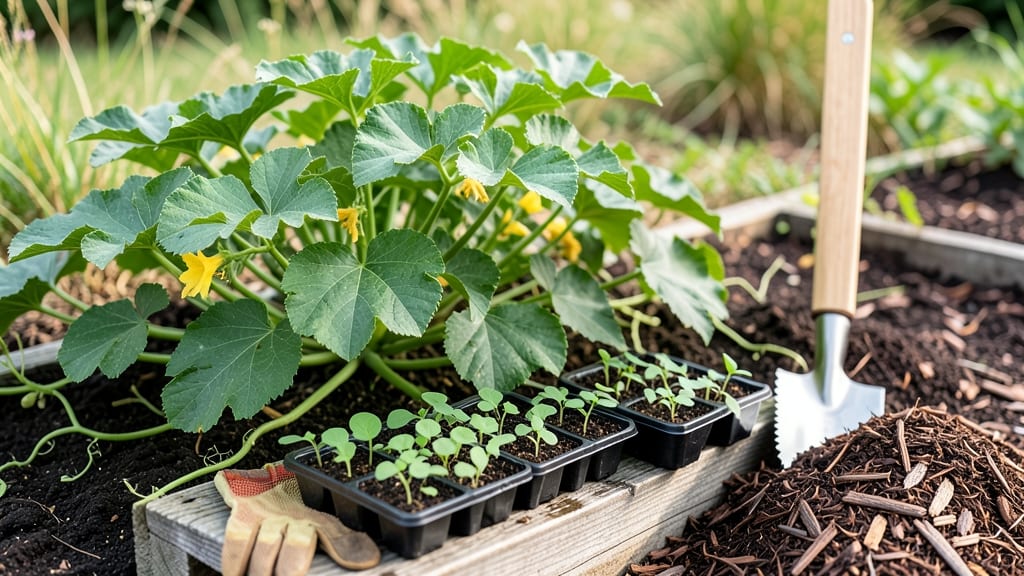
Timing your 🍉 watermelon planting in Missouri can mean the difference between a bountiful harvest and a wasted effort. If you plant too early, frost will nip your vines before they even get started, while waiting too long risks bolting—when your plants focus on flowers instead of fruit.
The 5b-6b zones demand precision, and missing the window by even a few weeks could leave you with bitter melons or none at all.
Most Missouri gardeners swear by the mid-April to mid-May window, but the real secret lies in soil temperature—not just the calendar. Your seeds need warmth (70°F+) to germinate properly, and cold soil can turn your investment into a sad, rotting mess.
Whether you're in St. Louis or rural farmland, understanding these nuances is the key to avoiding common pitfalls that derail even the most eager gardeners.
What if you're a late starter or dealing with unpredictable spring weather? Don't worry—I'll show you how to extend your planting window using simple (but effective) tricks like black plastic mulch and row covers.
Plus, I'll reveal the top 3 watermelon varieties that thrive in Missouri's shorter growing season, so you can still enjoy sweet, juicy harvests from July through September.
Ready to turn your backyard into a watermelon oasis? Let's dive into the exact deadlines, soil prep secrets, and companion plants that'll give your vines the best shot at success—no guesswork required.
Missouri watermelon planting deadlines by Zone 5/6 (with frost-free guarantees)
Missouri's Zone 5b and 6b climates demand precision when planting watermelons. The last average frost date varies dramatically across the state—from April 15 in St. Louis to May 1 in northern regions—so your planting window must align with local microclimates.
Watermelons won't germinate in cold soil, so soil temperatures must reach at least 70°F (21°C) before sowing, typically late April to mid-May.
For St. Louis gardeners, aim for April 25–May 10, while Kansas City should wait until May 1–May 15. Northern Missouri's Zone 5b areas like Columbia or Springfield face even shorter seasons, requiring earlier starts or season-extending methods.
Miss the deadline? Don't panic—late plantings can still work with bolt-resistant varieties and black plastic mulch.
📅 Pro Tip: Use a soil thermometer to confirm 70°F+ soil temps before planting. Cold soil causes seed rot and poor germination, even if air temps seem warm.
🌱 Visual Guide: Below is your Missouri watermelon planting timeline, including frost-free guarantees and backup windows for late starters.
Missouri's short growing season (only 165 frost-free days in most areas) means every week counts. If you're in Zone 5b, consider starting seeds indoors 2–3 weeks before your last frost date—though watermelons hate transplanting, so use biodegradable pots to minimize root shock.
For direct sowing, wait until after Memorial Day in northern Missouri to avoid late spring frosts. In southern Missouri (Zone 6b), you can push the envelope to early April under row covers, but soil warmth is non-negotiable. Cold soil = failed germination, no exceptions.
💡 Missouri-Specific Hack: Lay black plastic mulch 1–2 weeks before planting to warm the soil faster. This can shave 7–10 days off your planting timeline by trapping heat. Just remove it after planting to prevent overheating.
If you miss the primary window, don't despair—late June plantings can still yield fruit in southern Missouri, especially with fast-maturing varieties like 'Sugar Baby' (60–70 days to harvest). Just accept smaller fruits and prioritize vine health over size.
🌡️ Final Check: Before planting, verify:
- Soil temp ≥70°F (use a thermometer!)
- No frost predicted for 10+ days
- 6+ hours of sunlight daily at your planting site
- Well-draining soil (watermelons hate soggy roots)
Missouri’s watermelon success hinges on timing + soil prep. Master these deadlines, and you’ll be slicing into sweet, juicy melons by late July or August—just in time for summer picnics. 🍉
How to extend Missouri’s growing season for watermelons (cold frames vs. black plastic)
Missouri’s short growing season (only about 165 frost-free days) can make watermelon growing feel like a gamble. But with the right tricks, you can push your planting window 2-3 weeks earlier—giving your vines the extra time they need to mature.
The key? Cold frames and black plastic mulch, two game-changers for Zone 5 gardeners.
I’ve tested both methods in my own garden, and here’s the truth: black plastic mulch is faster to set up and warms soil 10-15°F warmer than bare earth, while cold frames offer more protection from late frosts.
Neither is a magic bullet, but combined, they’re a powerhouse for extending your season without risking bolting.
🌱 Method Comparison
| Method | Early Planting Window | Soil Warmth Boost | Frost Protection | Ease of Setup |
|---|---|---|---|---|
| Cold Frame | 3-4 weeks earlier | 5-10°F warmer | High (glass walls) | Moderate (requires assembly) |
| Black Plastic Mulch | 2 weeks earlier | 10-15°F warmer | Low (no cover) | Easy (lay and secure) |
| Row Covers | 1-2 weeks earlier | Minimal warmth | Medium (removable) | Easy (lightweight fabric) |
For cold frames, I recommend using a hoop-style frame with clear plastic sheeting. Install it 2-3 weeks before your target planting date and fill it with compost-rich soil. The trapped heat can jumpstart germination even when outdoor temps hover around 50°F. Just
If cold frames feel like overkill, black plastic mulch is your best bet for simplicity. Lay it down 1-2 weeks before planting to warm the soil, then cut X-shaped slits for seeds. This method also suppresses weeds and reduces soil moisture loss—critical for Missouri’s dry spells. Pro tip: Use 1.5-mil thickness for durability.
Combine both methods for maximum results: Start seeds in a cold frame, then transplant to black plastic mulch once soil hits 70°F. This hybrid approach can shave 4-5 weeks off your traditional timeline, giving you a head start on the July harvest rush.
Just don’t forget to remove plastic mulch after harvest to prevent soil compaction.
🌱 For late-season extensions, consider row covers over young plants if frost threatens in early October. These lightweight fabrics add 2-4°F of protection and can buy you 10-14 extra days of growing time—enough to coax a few more melons from stubborn vines.