
Plants
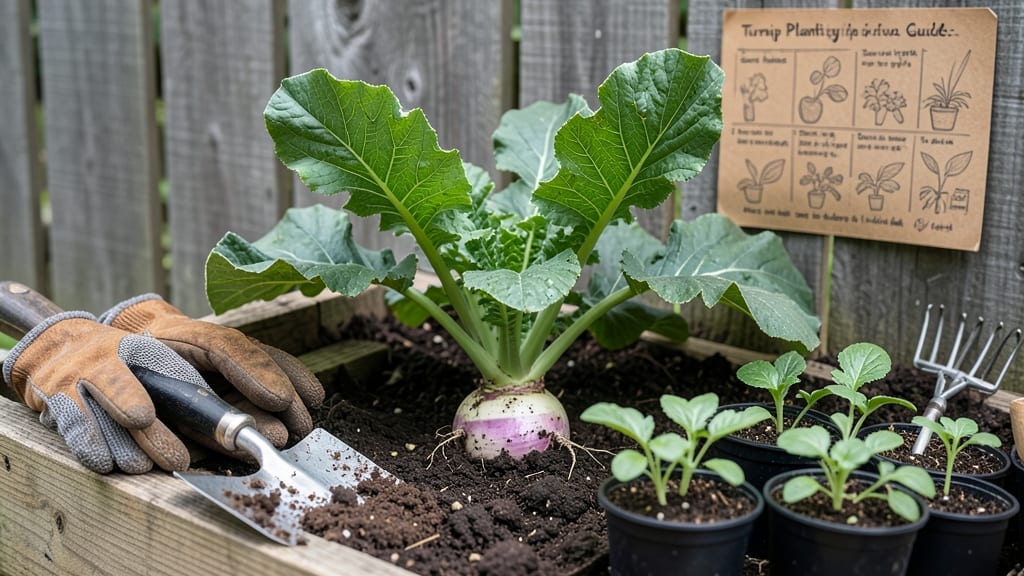
If you’ve ever planted turnips in Georgia only to watch them bolt before harvest, you’re not alone. The key to crisp, sweet 🥕 roots lies in precise timing—plant too early, and heat stress ruins your crop; too late, and you miss the window entirely.
Georgia’s 7b-8b climate demands a strategic approach to avoid these common pitfalls.
Most gardeners focus on spring planting, but fall turnips often yield better results in Georgia’s mild winters. The ideal windows are February-March for spring and August-September for fall, aligning with soil temperatures and frost dates. By following these exact timelines, you’ll maximize your harvest before bolting takes over.
In this guide, I’ll break down the perfect planting schedule for your zone, including soil prep tips and companion plants to extend your season. Whether you’re a first-time gardener or a seasoned pro, these insights will help you grow turnips that stay tender and delicious—no guesswork required.
Ready to avoid the frustration of wasted plants? Let’s dive into the best practices for turnip success in Georgia’s unique climate, so you can enjoy a bountiful harvest from both spring and fall plantings.
Best planting windows for turnips in Georgia’s climate zones
Turnips thrive in Georgia’s cool-season windows, but timing is critical to avoid bolting or heat stress. The state’s USDA Zones 7b-8b create two prime planting periods: early spring and late summer. Each window requires precise scheduling to align with soil temperatures and frost dates.
For spring turnips, aim to plant 4-6 weeks before your last frost date—typically mid-February to early March in most of Georgia. This gives roots time to mature before summer heat triggers bolting. In Zone 8b (southern Georgia), you can push planting to late January for an earlier harvest.
Fall planting offers a second chance for turnips. Sow seeds 8-10 weeks before your first frost, usually mid-August to early September. This ensures roots reach harvest size before cold weather sets in. In Zone 7b (northern Georgia), plant by late August to avoid early frosts.
Here’s a quick reference for Georgia’s key frost dates to plan your turnip schedule:
Soil temperature is the secret weapon for successful turnip growth. Ideal germination occurs at 45-85°F, but roots develop best when soil stays below 70°F. Use a soil thermometer to monitor temps—plant when readings consistently hit 50-60°F at 2 inches deep.
Georgia’s microclimates can shift planting windows by weeks. Coastal areas (like Savannah) stay warmer longer, allowing late February spring plantings, while mountainous regions (like Blue Ridge) may need to wait until early March. Observe your local frost history and adjust accordingly.
For succession planting, sow turnips every 2-3 weeks during your chosen window. This staggered approach ensures a continuous harvest and reduces bolting risk by preventing overcrowding. In spring, your last succession should go in by mid-April before heat stress kicks in.
Turnips are frost-tolerant but won’t survive prolonged freezes. In fall, protect young seedlings with row covers if temperatures dip below 25°F. This extends your harvest window by 3-4 weeks in colder northern Georgia regions.
Missed the ideal window? Don’t despair. Some heat-tolerant varieties (like ‘Tokyo Cross’) can handle short exposures to 80°F soil temps. Plant these in late March for a summer-fall harvest, though yields may be smaller. Always prioritize shade cloth in these scenarios.
Remember: Turnips bolt when stressed—whether by heat, drought, or overcrowding. Stay vigilant about consistent moisture and proper spacing (1-2 inches apart) to keep your crop sweet and ready for harvest.
Best planting windows for turnips in Georgia’s climate zones
Georgia’s USDA Zones 7b-8b create a unique challenge for growing turnips—too early, and heat stress triggers bolting; too late, and frost cuts the season short. The ideal planting windows are February-March for spring and August-September for fall, aligning with soil temperatures and frost-free periods.
These timelines ensure your turnips mature before Georgia’s unpredictable weather shifts.
For spring turnips, aim to plant 4-6 weeks before your last frost date (typically around March 15 in most of Georgia). This gives roots enough time to reach harvest size (45-60 days) before summer heat sets in.
In Zone 8b, you might even squeeze in a late-summer planting by August 15 for a fall harvest.
Fall plantings should start 8-10 weeks before your first frost (around November 15), meaning late August to early September. This timing lets turnips mature before cold snaps, while still benefiting from cooler temperatures that slow bolting.
In Zone 7b, extend your window slightly later—up to mid-September—for a longer harvest season.
🌱 Georgia Turnip Planting Timeline
| Season | Planting Window | Soil Temp | Harvest Window | Key Tip |
|---|---|---|---|---|
| Spring | Feb 15 - Mar 15 | 50-60°F | Apr 15 - Jun 1 | Use shade cloth if temps exceed 75°F |
| Fall | Aug 15 - Sep 15 | 60-70°F | Oct 1 - Nov 15 | Mulch to protect from early frost |
Georgia’s microclimates can shift planting windows by weeks. Coastal areas (like Savannah) stay warmer longer, allowing late spring plantings into April, while inland regions (like Athens) may need to start turnips by mid-February to avoid heat stress.
Always check your local frost dates—the University of Georgia Extension provides county-specific data to fine-tune your schedule.
Pro tip: Monitor soil temperatures with a thermometer—turnips thrive when soils are between 50-70°F. If daytime temps exceed 80°F, your turnips will bolt within 2-3 weeks, ruining your harvest. Use row covers or shade cloth to buy extra time in Georgia’s unpredictable springs.
By locking in these two key planting windows, you’ll avoid the most common mistakes Georgia gardeners make—planting too early and risking heat damage, or too late and facing frost.
With precise timing, you’ll enjoy crisp, sweet turnips twice a year, whether roasted, shredded in salads, or served as a side dish. 🥕