
Plants
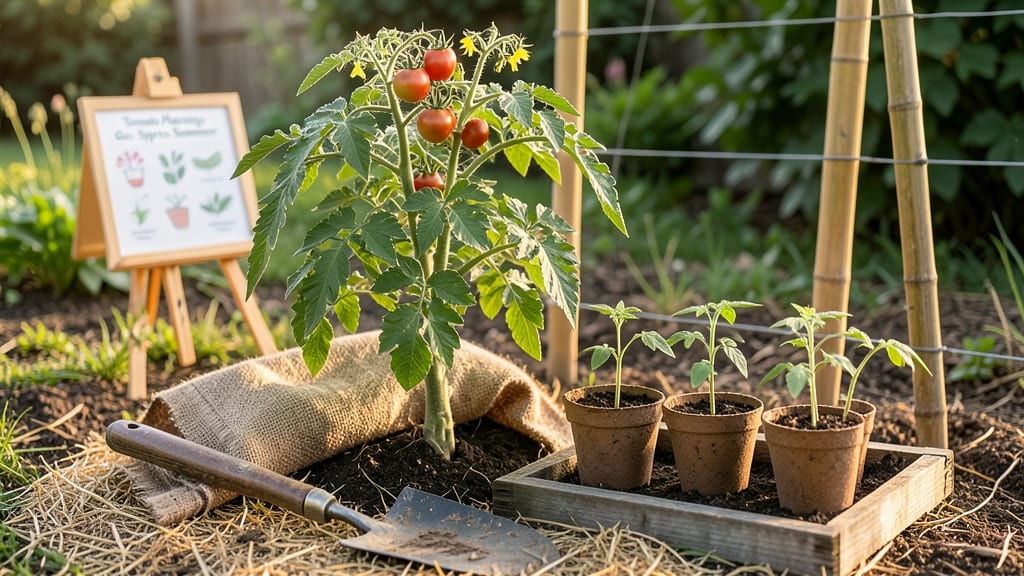
Timing when do you plant tomatoes in South Carolina isn’t just about following a calendar—it’s about outsmarting the state’s unpredictable mix of coastal humidity and Upstate heat.
Plant too early, and a late frost could wipe out your seedlings; too late, and summer’s brutal heat stresses your plants before they bear fruit.
The ideal window shifts dramatically depending on whether you’re in Charleston’s sweltering Lowcountry or the cooler Piedmont, but one rule stays constant: soil must be at least 60°F.
Most gardeners in zones 7b-8a swear by transplanting mid-March to early May for spring crops, but seeds can go in as late as early June for fall harvests.
That’s because South Carolina’s frost-free season stretches from mid-March to mid-November, giving you two chances to grow—but only if you time it right. The key? Knowing your last frost date and adjusting for your microclimate, whether that means rushing starts in the Upstate or waiting longer near the coast.
What separates successful tomato growers from those who lose their harvests to weather? It’s not just the planting dates—it’s the preparation. Soil prep, variety selection, and even how you harden your seedlings all play a role in beating South Carolina’s climate quirks.
I’ll walk you through the exact steps to maximize your 🍅 tomato yield, from choosing heat-tolerant varieties to adjusting your schedule for drought years or early freezes.
Ready to turn your garden into a tomato powerhouse? Let’s dive into the climate-smart strategies that’ll have you harvesting juicy, vine-ripened 🍅 tomatoes from June to October—no matter where you are in the Palmetto State.
Optimal tomato planting months in South Carolina by region (with frost risk maps)
South Carolina’s three distinct regions—Upstate, Midlands, and Lowcountry—each have unique last frost dates and heat patterns that dictate your tomato planting schedule. The Upstate (Zone 7b) has the shortest growing season, while the Lowcountry (Zone 8a) enjoys a longer frost-free period.
Planting too early risks frost damage, while waiting too long means summer’s brutal heat stunts growth.
For all regions, soil temperature is your best guide—wait until it hits at least 60°F at a depth of 4 inches. A soil thermometer costs under $10 and prevents costly mistakes. Transplants can handle slightly cooler soil than seeds, giving you a 2-week window advantage if you start indoors.
⚠️ Critical Note: Coastal areas like Charleston may experience delayed last frosts due to ocean moderation, while inland zones like Greenville can see earlier freezes. Always check local frost maps (like the SC State Climate Office) for real-time updates.
Here’s your region-specific planting timeline for transplants (not seeds), which most gardeners prefer for faster harvests:
If you’re planting seeds directly (not transplants), shift these dates 4–6 weeks earlier—but only if your soil is workable. Seeds need 70°F+ soil to germinate reliably. I’ve seen gardeners in the Upstate lose entire seed batches by planting too soon; don’t make that mistake!
For a second harvest, try late summer transplants (August 1–15) in the Lowcountry. Choose heat-tolerant varieties like ‘Solar Fire’ or ‘Heatmaster’ to avoid blossom drop. Inland areas rarely have enough time for a fall crop, but coastal gardens can stretch harvests into early October.
Always pair your planting date with succession planning. If you plant every 2 weeks from April to June, you’ll have a continuous tomato supply until frost. I’ve used this method for years—it’s how I avoid the July glut and September shortage that plagues many SC gardeners.
One final tip: Monitor your local weather via the NOAA Climate Prediction Center. A 3-day forecast of 75°F+ is your cue to plant. Don’t wait for the “perfect” day—tomatoes thrive on consistency, not perfection.
How to adjust planting dates for extreme weather years (droughts, early freezes, heatwaves)
South Carolina’s weather can throw curveballs—one year you’re battling early freezes, the next you’re sweltering through unseasonable heatwaves. These extremes force you to shift planting windows by 2-4 weeks to protect your tomato harvest.
The key? Soil temperature monitoring, transplant hardening, and smart variety selection—all tools I’ve used to salvage crops in unpredictable years.
A late frost in April or a June heatwave can turn your garden into a gamble.
For example, in 2021, Upstate SC saw frost as late as April 15, forcing me to delay transplants by 3 weeks—but I still got a full harvest by choosing heat-tolerant varieties like 'Solar Fire'.
Meanwhile, in 2019, a premature heatwave in May scorched my early 'Early Girl' plants, teaching me to start seeds indoors 6 weeks earlier for a June transplant.
⚠️ Watch for These Red Flags
- Soil temp below 60°F: Tomatoes won’t germinate or thrive. Use a soil thermometer ($10 at garden centers).
- Forecasted frost after April 15: Delay planting by 7–10 days or use row covers for protection.
- Consecutive 90°F+ days before June 1: Switch to heat-tolerant varieties (e.g., 'Celebrity', 'Heatmaster').
- Drought warnings in spring: Mulch heavily and water deeply 2x/week to prevent transplant shock.
To harden transplants for late starts, I move them outdoors for 2–3 hours daily, gradually increasing exposure over 7–10 days. This trick helped me transplant mid-May in a hot year without wilting.
For drought years, I amend soil with compost to retain moisture and water at the base (not overhead) to avoid fungal diseases like early blight, which thrives in humid SC summers.
If you’re planting in June or July for a fall crop, prioritize determinate varieties (bush types like 'Roma')—they mature faster in shorter growing seasons.
I’ve also had success with shade cloth (30% coverage) during peak afternoon heat to protect blossoms from heat stress, which can cause blossom drop. Even a $20 shade cloth saved my 'Better Boy' vines in a 95°F July.
Pro tip: Track your local frost dates using the SC State Climate Office’s frost maps (free online). In Zone 7b (Upstate), aim for April 20–May 10; in Zone 8a (Coastal), you can plant as early as March 20.
And if all else fails, container gardening gives you flexibility to move pots to shadier spots during heatwaves or warmer microclimates (like near a south-facing wall) to extend the season.
With these adjustments, you’ll beat SC’s weather chaos and enjoy tomatoes from June to October—no matter what Mother Nature throws at you. 🌱💧☀️