
Plants
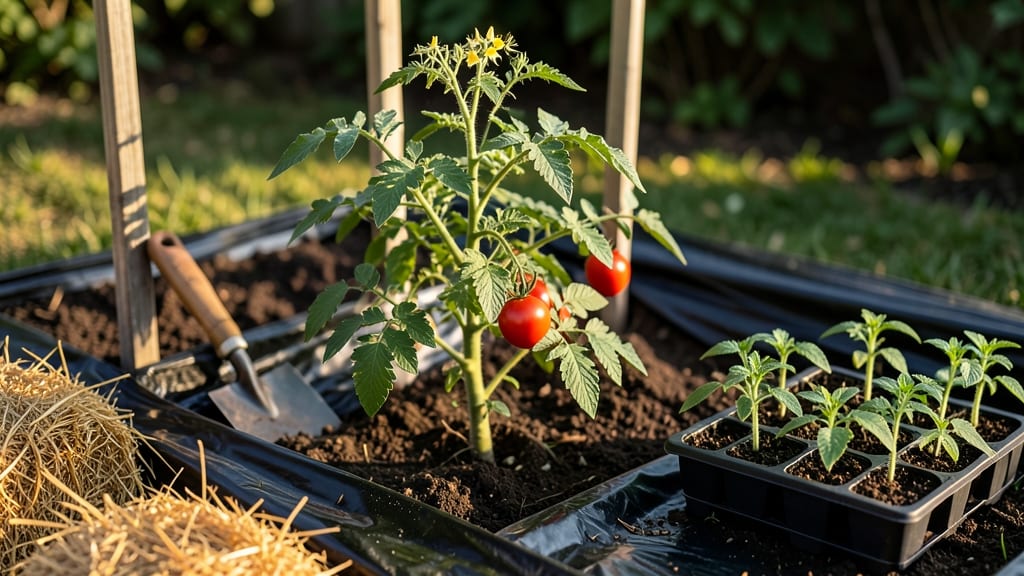
Planting tomatoes in Ohio isn’t just about checking a calendar—it’s about waiting for the soil temperature to hit that sweet spot of 60°F or warmer.
If you rush it, those tender seedlings can get zapped by late frosts, while waiting too long might cut your harvest short before fall’s first chill. The key? Understanding your microclimate and the subtle differences between northern and southern Ohio’s last frost dates.
Most Ohio gardeners start seeds indoors by mid-March, but the real magic happens when those 🍅 plants hit the ground between April 15 and May 15. That window aligns with soil warming up enough to trigger germination—no more guessing games.
And if you’re container gardening? Your pots warm up faster, so you might get a head start of a week or two.
Here’s the game-changer: soil thermometers are your new best friend. They tell you exactly when it’s safe to plant, bypassing the frustration of Ohio’s unpredictable spring. Plus, I’ll show you how to adjust for regional variations—because what works in Columbus might not be perfect for Cleveland.
Ready to turn your tomato dreams into a bountiful harvest? Let’s dive into the exact steps to time your planting like a pro, from seed to soil, so your plants thrive from the get-go.
Ohio tomato planting timeline based on soil temperature zones
Ohio’s diverse microclimates mean your tomato planting window can vary by 2-3 weeks depending on whether you're in north-central or southwestern Ohio. The key factor isn't just frost dates—it's soil temperature, which must reach 50-60°F for reliable germination.
Cold soil delays growth, leaving plants vulnerable to late spring frosts.
Northern Ohio (USDA Zone 6a) typically waits until late April to early May, while southern Ohio (Zone 6b) can start mid-April. The difference comes from soil warming rates—dark, moist soil absorbs heat faster in open fields than under snowpack in wooded areas.
Always check your local frost-free date (usually April 15 statewide) as a backup.
Here’s how to align your planting with Ohio’s soil temperature zones:
| Region | Last Frost Date | Soil Temp for Planting | Ideal Planting Window | Notes |
|---|---|---|---|---|
| Northern Ohio (e.g., Cleveland, Toledo) | April 20–May 5 | 55–60°F (consistent) | May 1–15 (after last frost) | Use row covers for earlier starts. |
| Central Ohio (e.g., Columbus, Dayton) | April 15–25 | 50–55°F (minimum) | April 25–May 10 | Warmer urban areas can plant 1 week earlier. |
| Southern Ohio (e.g., Cincinnati, Lexington) | April 10–15 | 50°F (minimum) | April 15–30 | Risk of late frosts—monitor forecasts. |
For container-grown tomatoes, you can plant 2–3 weeks earlier because pots warm up faster. However, indeterminate varieties (like 'Sungold') need the full season, so prioritize early-maturing types if you’re pushing the timeline. Pro tip: Black plastic mulch raises soil temps by 5–10°F, letting you plant 10 days earlier safely.
If you’re starting seeds indoors, begin 6–8 weeks before your target outdoor date. Use grow lights to avoid leggy seedlings—Ohio’s short days in early spring can stunt growth if natural light is insufficient. Seedlings need 12–16 hours of light daily for strong stems.
Always harden off seedlings for 7–10 days before transplanting. This means gradually exposing them to outdoor conditions (wind, sun, temperature swings) to prevent shock. Skip this step, and you’ll risk wilting or stunted growth once planted.
Ohio’s humidity and late rains can create ideal conditions for disease pressure like early blight. Space plants 18–24 inches apart for airflow, and avoid overhead watering. Drip irrigation or soaker hoses keep foliage dry, reducing fungal risks.
For succession planting, sow new seeds every 2 weeks until June 15. This ensures a steady harvest through September, even if early plantings underperform due to unpredictable weather.
Varieties like 'Stupice' (a cherry tomato) mature in just 50 days, making them perfect for late starts.
Remember: Soil temperature > air temperature. A 70°F day with 45°F soil will still delay germination. Use a soil thermometer ($10 at garden centers) to confirm readiness—don’t guess! 🌱
How to test soil temperature and adjust planting for Ohio’s unpredictable spring
Ohio’s spring soil temperature can swing wildly from week to week, making it tricky to nail the perfect tomato planting window. A digital soil thermometer is your best friend—these tools measure the top 2-3 inches of soil where seeds need warmth to germinate.
Without one, you risk planting too early and triggering cold-soil rot or waiting too long and missing the optimal 60°F threshold.
Even if your local last frost date passes, the soil may still be too cold. For example, in northwest Ohio, April 15 might bring 50°F soil, while southern Ohio could hit 60°F by late April.
This regional difference means timing matters more than a single statewide guideline. Always check your USDA Zone 6a-6b microclimate for accuracy.
Insert a digital soil thermometer 2-3 inches deep in your garden bed. Check readings twice daily (morning and evening) for 3-5 days to account for fluctuations.
Tomatoes need soil temps to stay above 60°F for 5+ days. If temps dip below 50°F at night, germination slows dramatically or fails entirely.
Use black plastic mulch or row covers to warm soil by 5-10°F. Lay mulch 2 weeks before planting to jumpstart warmth.
Potted tomatoes heat up faster. Place containers in full sun and use dark-colored pots to absorb heat. Monitor soil temps closely.
Once soil hits 60°F consistently, sow seeds or transplant seedlings. For early starts, use a heat mat under seed trays indoors.
If your soil stays stubbornly cool, don’t rush—cold soil delays germination and weakens seedlings. Instead, use row covers or a mini greenhouse to create a warmer microclimate. These tools can push your planting window 2-3 weeks earlier in northern Ohio, where frost lingers longer.
For container gardeners, soil warms faster in pots, but it also cools quickly. Place containers in south-facing spots and use black fabric pots to retain heat. Always check soil temps—potted tomatoes can outgrow their containers if planted too early in warm soil.
Remember: Nighttime temperatures matter just as much as daytime highs. Tomatoes need 50°F+ at night to thrive. If your weather forecast predicts a cold snap, delay planting until after the threat passes. A few extra weeks of waiting ensures stronger plants and a bigger harvest.