
Plants
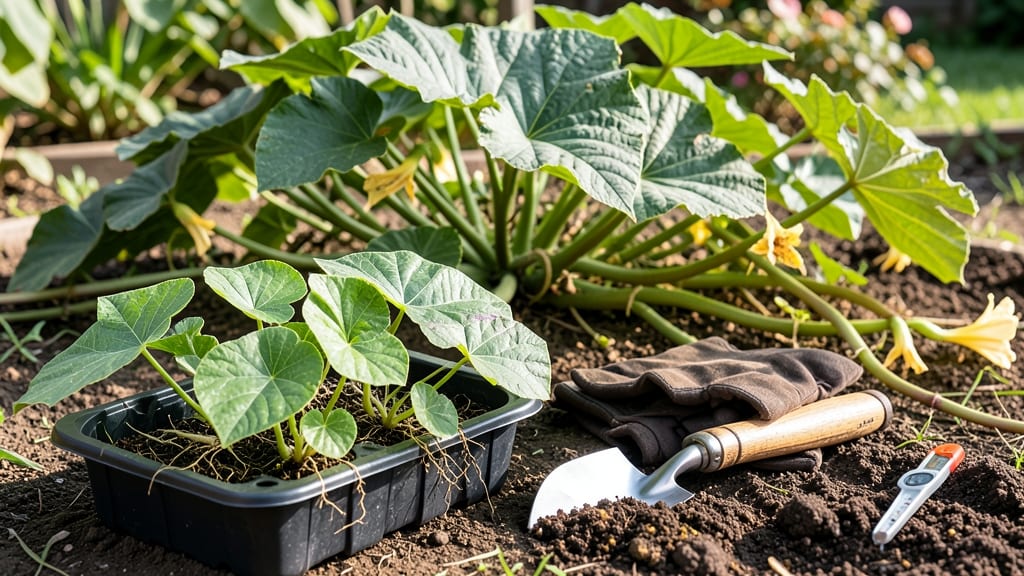
If you’ve ever wondered when to plant sweet potatoes in Florida, the answer isn’t as simple as "spring" or "summer"—it’s about beating the heat while avoiding the humidity’s worst traps.
Florida’s frost-free zones (9a-11) mean you can grow 🍠 year-round, but timing matters to avoid stunted tubers or pest invasions. Plant too early, and summer’s scorching sun will stress your slips; too late, and your harvest may never fully mature.
Most Florida gardeners swear by two key windows: March through June for spring plantings and September through October for fall crops. These periods strike the perfect balance—soil warms to 65°F+, humidity is manageable, and vines have time to thrive before the worst summer heat or winter chill sets in.
But here’s the secret: heat-tolerant varieties like Beauregard or Georgia Jet can stretch your window even further.
Why does this matter to you? Because skipping these windows means risking small yields, bitter tubers, or even total crop failure. I’ll walk you through the exact dates, soil prep tricks, and spacing hacks that Florida growers use to guarantee plump, sweet harvests—no guesswork involved.
Ready to turn your garden into a sweet potato powerhouse? Let’s dive into the ideal planting schedule, plus the top mistakes to avoid so your 🍠 crop shines brighter than Florida’s summer sun.
Florida sweet potato planting calendar: exact dates by region
Florida’s frost-free climate means you can grow sweet potatoes year-round, but the best planting windows depend on your region’s heat tolerance and humidity levels. North Florida’s cooler winters and South Florida’s intense summer heat create distinct planting strategies.
Let’s break it down by region to ensure your sweet potatoes mature before extreme conditions set in.
In North Florida (USDA Zones 8a-9a), where temperatures dip slightly in winter, aim for spring planting between March 15 and April 30. This gives tubers enough time to develop before summer’s peak heat.
For fall planting, wait until September 15 to October 15 to avoid early frost risks (rare but possible) and ensure a harvest before cooler weather arrives.
Central Florida (Zones 9a-9b) offers the most flexibility. Plant slips (young plants) from February 15 to May 15 for a spring harvest, or September 1 to October 15 for a fall crop. The longer growing season here allows for two harvests per year if you stagger plantings.
📅 Florida Sweet Potato Planting Guide
| Region | Spring Planting | Fall Planting | Soil Temp | Harvest Window |
|---|---|---|---|---|
| North Florida | March 15 - April 30 | September 15 - October 15 | 65°F+ | July - November |
| Central Florida | February 15 - May 15 | September 1 - October 15 | 68°F+ | June - December |
| South Florida | March 1 - June 15 | August 1 - September 30 | 70°F+ | May - January |
*Plant slips (not seeds) for faster growth in Florida’s heat. Soil temperature is critical—use a soil thermometer to verify.
South Florida (Zones 10a-11) can plant year-round, but the best times are March 1 to June 15 for spring and August 1 to September 30 for fall. The key is avoiding peak summer heat (June-August), which can cause sweet potatoes to scorch or develop sunscald.
Instead, opt for early spring or late summer plantings when temperatures are milder.
For continuous harvests, try a staggered planting strategy: Plant half your slips in March and the other half in September. This ensures you have fresh sweet potatoes ready from June through January, avoiding gaps in your supply.
Just be sure to mulch heavily to retain moisture during Florida’s dry spells.
Always check soil temperatures before planting—sweet potatoes need soil that’s at least 65°F (18°C) to thrive. In North Florida, this might mean waiting until late March, while South Florida gardeners can start as early as February. Use a soil thermometer to confirm readiness and avoid stunted growth.
Pro tip: If you’re planting in sandy Florida soil, mix in compost or aged manure to improve moisture retention. Sweet potatoes hate waterlogged conditions, so raised beds or mounded soil work best in areas with poor drainage.
Aim for well-draining, slightly acidic soil (pH 5.8-6.5) for optimal tuber development.
Remember, Florida’s humidity and heat accelerate growth, so sweet potatoes mature faster here than in cooler climates. With the right timing, you can enjoy homegrown sweet potatoes nearly year-round—just avoid planting during the hottest months (July-August) when vines struggle to thrive.
🌱
Florida sweet potato planting calendar: exact dates by region
Florida’s frost-free climate lets you grow sweet potatoes year-round, but timing still matters to avoid summer’s scorching heat or late-season pests. Unlike northern states, you can plant twice yearly—spring and fall—with 6-8 weeks between plantings for continuous harvests.
The key is soil temperature, which should stay above 65°F for optimal germination.
North Florida (USDA Zones 8a-9a) has slightly cooler winters, so spring plantings start earliest here, while South Florida (Zones 10a-11) can plant later into summer. Central Florida (Zones 9b-10a) falls right in the middle.
Below, I’ve broken down the exact planting windows by region, plus harvest timelines to avoid summer’s peak heat stress.
| Region | Spring Planting Window | Fall Planting Window | Harvest Window | Key Consideration |
|---|---|---|---|---|
| North Florida (8a-9a) | Mid-February to early April | Late August to mid-September | June-July (spring) / Nov-Dec (fall) | Watch for rare cold snaps in Jan |
| Central Florida (9b-10a) | Late February to early May | Late July to early September | May-June (spring) / Oct-Nov (fall) | Avoid July-August heat spikes |
| South Florida (10a-11) | March to early June | June to early August | April-May (spring) / Sept-Oct (fall) | Humidity increases pest risks |
For spring plantings, aim to finish harvesting before July’s peak heat, when soil temps can exceed 90°F and stunt tuber growth. In fall, plant slips 8-10 weeks before first frost (though Florida rarely sees frost, North Florida may get light freezes).
Pro tip: Use black plastic mulch to warm soil faster in cooler months.
If you’re growing for commercial sales, stagger plantings every 2-3 weeks for a continuous harvest. Home gardeners can simplify by planting once in spring (March-April) and once in fall (September). Just avoid June-August plantings—they’ll struggle with heat stress and sweet potato weevils.
One critical Florida-specific tip: Test your soil’s pH (6.0-6.5) and drainage before planting. Sandy soils (common in Florida) dry out fast, while heavy clay holds too much moisture. Amend with compost or aged manure to improve structure. Mulch heavily with straw to retain moisture and suppress weeds.
Ready to plant? Start with slips (young plants) from a nursery—they’re easier to establish than seeds in Florida’s heat. For best results, plant in raised beds or mounds to improve drainage. Now, let’s talk varieties—some handle Florida’s humidity better than others! 🍠