
Flowers
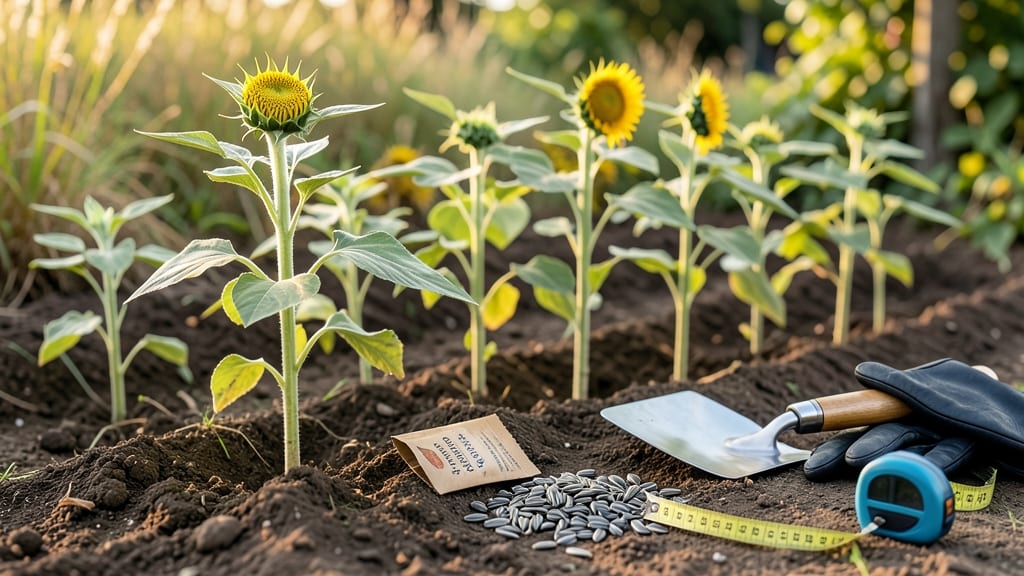
Planting sunflowers in Michigan at the right time means the difference between towering giants reaching for the sky and floppy, underwhelming stalks. With Michigan’s Zone 5b-6b climate, timing isn’t just a suggestion—it’s the key to unlocking those 10-foot beauties you’ve been dreaming of.
You’ve got a narrow window—late April to mid-June—to get those seeds in the ground after the last frost.
But here’s the catch: Michigan’s unpredictable weather means rushing too early can leave your 🌻 sunflowers vulnerable to frost, while waiting too long might cut their growth short before the first frost hits in October.
I’ll break down the exact deadlines for your zone, plus how to adjust for early or late springs. Whether you’re growing ‘Mammoth’ sunflowers or smaller varieties, these tips will help you maximize height and bloom time—so you’re not left with a garden full of brown stems by summer’s end.
Ready to turn your Michigan garden into a sunflower oasis? Let’s dive into the perfect planting schedule and avoid the common mistakes that keep sunflowers from reaching their full potential.
Michigan sunflower planting deadlines by Zone 5-6: exact dates for giant varieties
Michigan’s Zone 5-6 climate means sunflowers like ‘Mammoth’ or ‘Russian Giant’ need precise timing to reach their towering heights. The last frost date varies by region—southern Michigan (Zone 5) typically sees frost by April 15-22, while northern areas (Zone 6) hold onto frost until May 1-8.
Planting too early risks frost damage, while late planting may cut bloom time short.
For giant sunflower varieties, aim to plant seeds 2-3 weeks after your area’s last frost. In southern Michigan, this means late April to early May, while northern areas should wait until mid-May to early June.
These deadlines ensure your sunflowers have 90-120 days of warm weather to mature before Michigan’s first frost in October.
Soil temperature is just as critical as frost dates. Sunflower seeds need soil at least 50°F (10°C) to germinate. In cooler springs, use a soil thermometer to confirm readiness—waiting a few extra days prevents seed rot. Direct sowing is best; sunflowers dislike transplanting and may struggle to recover.
Here’s how to adjust for Michigan’s unpredictable springs:
For dwarf varieties (like ‘Teddy Bear’), you can plant 2-4 weeks earlier—they mature faster (60-70 days) and tolerate cooler soils. But for giant sunflowers, rushing the process risks stunted growth.
If your spring is late, opt for shorter-day varieties like ‘Autumn Beauty,’ which bloom faster in Michigan’s shorter summer.
Michigan’s first frost typically hits between October 15-30, depending on elevation. Giant sunflowers need at least 90 days of growth to reach their full height. If you’re in a cooler microclimate (like near the Great Lakes), push planting to late May to avoid early frost nipping your blooms.
Pro tip: Use black plastic mulch to warm soil faster in spring. Lay it down 1-2 weeks before planting to create a microclimate that speeds germination. This trick adds 5-7 extra days of growing time—critical for giant varieties in Zone 6.
If you miss the ideal window, don’t despair! Succession planting works for sunflowers. Sow a second batch in early June for late-summer blooms, even if they won’t reach the same height. Just choose dwarf or semi-dwarf varieties for these later plantings.
Remember: Sunflowers are annuals in Michigan, so every year is a fresh start. Pay attention to local weather patterns—some years, Michigan’s frost dates shift by weeks. Keep a garden journal to track your best planting windows over time!
How to extend Michigan’s sunflower growing season for bigger blooms
Michigan’s short growing season can feel like a race against time for sunflowers, but with the right tricks, you can stretch their season to grow those 12-foot giants you’ve been dreaming of.
The key is working with, not against, Michigan’s climate—using cold-hardy varieties, protective covers, and smart soil prep to give your sunflowers every advantage.
I’ve tested these methods in my own garden, and the results? Sunflowers that thrive instead of just survive. Whether you’re dealing with a late spring frost or an early October chill, these strategies will help your plants reach their full potential before the first frost hits.
Start by choosing cold-tolerant varieties like ‘Autumn Beauty’ or ‘ProCut,’ which handle cooler temperatures better than standard types. These varieties can handle 40°F soil and still sprout, giving you a head start if your spring is late.
🌱 Visual Tip: Use this numbered-highlights guide to extend your sunflower season effortlessly:
- 1. Use Row Covers – Protect young seedlings with frost cloth until soil warms to 50°F. This buys you 2-3 extra weeks of growth before transplanting.
- 2. Succession Plant – Sow seeds every 2 weeks from late April to early June. This ensures a continuous bloom from July to October.
- 3. Warm the Soil – Lay black plastic mulch 2 weeks before planting to raise soil temps by 10-15°F. This jumpstarts germination in cooler springs.
- 4. Choose Dwarf Varieties – For northern Michigan (Zone 6), opt for ‘Teddy Bear’ (3-4 ft) or ‘Moulin Rouge’ (5-6 ft). They mature faster and avoid frost damage.
- 5. Fertilize Strategically – Apply a balanced 5-10-10 fertilizer at planting and again when plants hit 2 feet tall. This boosts growth during Michigan’s short summer.
Don’t overlook the power of mulching. A thick layer of straw or wood chips keeps soil moist and cool, which is crucial in Michigan’s hot, dry summers. This simple step can add 10-14 days to your sunflowers’ growing season by reducing stress.
For late-season blooms, try succession planting. Instead of one big batch, sow a few seeds every 2 weeks from late April through June. This staggered approach ensures you’ll have sunflowers in bloom from July through October, even if the first frost sneaks up early.
Finally, keep an eye on the weather forecast. If a late frost is predicted, cover your sunflowers with frost cloth or even old blankets. A little extra protection can mean the difference between a floppy stem and a towering giant by summer’s end.