
Plants
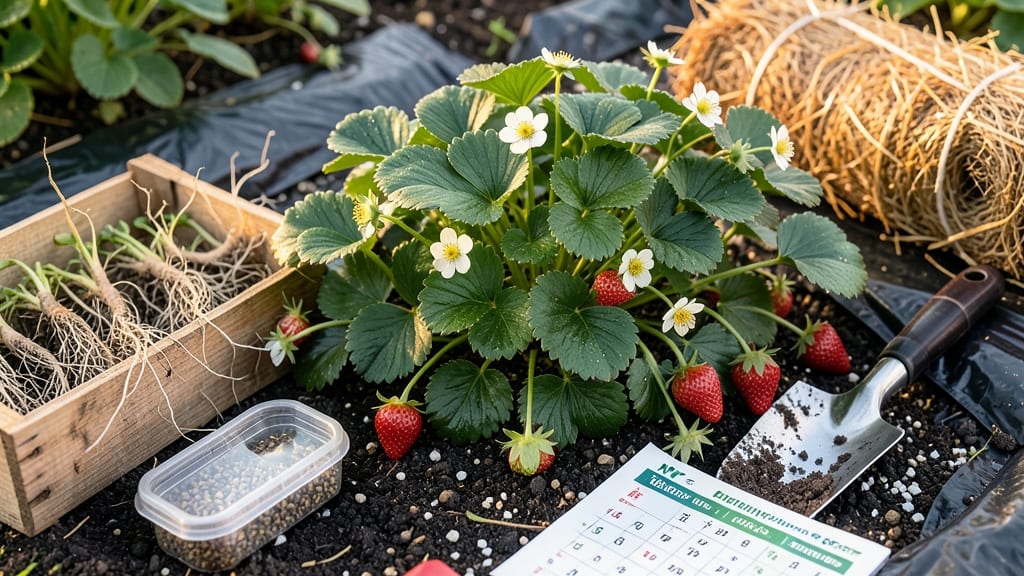
If you've ever planted strawberries in New York only to watch them bolt—shooting up flowers before you can even harvest a berry—you're not alone. The key to avoiding this frustrating problem lies in understanding the perfect planting windows for your region's climate.
New York's USDA Zones 5-7 offer two prime opportunities: late spring or early fall. But timing isn't just about the calendar—it's about soil temperature, frost dates, and even which strawberry variety you choose. June-bearing types thrive with spring planting, while everbearing varieties can stretch harvests if planted in fall.
I'll walk you through exactly when to plant for maximum yield, how to prepare your soil, and why August-September might be your secret weapon against bolting. Whether you're a beginner or a seasoned gardener, these insights will help you grow juicier berries with less frustration.
Ready to transform your garden? Let's dive into the science of strawberry planting that actually works in New York's unpredictable climate.
New York strawberry planting calendar: spring vs fall planting for zero-bolt success
Timing your strawberry planting in New York is all about avoiding bolting—that frustrating rush to flower before your berries ripen. The last frost date (around April 15 in most regions) marks your starting point, but soil temperature is the real game-changer.
Aim for 40–50°F soil temps to give plants a strong root start before summer heat hits.
New York’s USDA Zones 5–7 create microclimates where Upstate areas (like Rochester) can plant 1–2 weeks earlier than NYC or Long Island. This regional shift prevents bolting in warmer zones while Upstate gardeners avoid winter kill.
Let’s break down the ideal planting windows and how to adapt for your specific corner of the state.
Spring planting dominates for June-bearing varieties, but fall offers a second-chance harvest if your spring crop bolts. The key is soil temperature: Use a soil thermometer to confirm 40°F+ before planting. In NYC’s urban heat islands, soil warms faster—plant 2 weeks later than Upstate to avoid bolting.
For fall planting, aim for August–early September so plants establish roots before first frost (around October 15). Young plants need 6–8 weeks to harden off before winter. Mulch with straw or leaves to insulate roots and prevent heaving during freeze-thaw cycles.
Ever wonder why some gardeners swear by bare-root plants while others prefer container-grown? Bare-root strawberries are cheaper and hardier but require soaking roots for 1–2 hours before planting. Container-grown plants cost more but offer instant harvests—ideal for small-space gardeners or those with short seasons.
Container planting also lets you extend the season by moving pots to shaded areas during heatwaves. Fill containers with well-draining mix (50% potting soil, 30% compost, 20% perlite) and plant 2–3 plants per 12-inch poteverbearing varieties like 'Ozark Beauty', which fruit twice a year.
One common mistake is ignoring day-neutral varieties for fall. These (like 'Tristar') produce throughout the season and handle NY’s short summers better than June-bearers. If you’re in Zone 6 (Upstate), prioritize these for extended harvests.
For Upstate gardeners, early spring planting (by April 20) lets you harvest by late June before summer heat stresses plants. In NYC, delay until May 1 to align with soil warming.
Use black plastic mulch to warm soil faster if needed—it can raise soil temps by 5–10°F.
Remember: Strawberries are perennial in New York, meaning they’ll return for 3–5 years if cared for properly. The first year focuses on root establishment—don’t expect heavy yields. Second-year plants deliver the biggest harvests, so plan
New York strawberry planting calendar: spring vs fall planting for zero-bolt success
New York's USDA Zones 5-7 create a unique challenge for strawberry growers. The last spring frost typically arrives around April 15, but soil temperatures must reach 40-50°F before planting. This window is narrower than you might think—plant too early, and your June-bearing varieties will bolt before producing fruit.
For spring planting, aim for late April to early May in most of New York. Upstate regions (like Rochester) can plant slightly earlier, while NYC gardeners should wait until mid-May to avoid frost damage.
The key is watching for consistent daytime temperatures above 50°F—this signals it's safe to plant.
| Planting Window | Soil Temp | Best For | Harvest Time |
|---|---|---|---|
| Late April - Early May | 40-50°F | June-bearing | June-August |
| August - Early September | 50-60°F | Everbearing | July-September |
Fall planting offers a secret weapon against bolting—plant everbearing varieties in August-September for a second harvest. The soil stays warm longer in fall, giving plants time to establish roots before winter. I've had success with Albion and Seascape varieties planted in late August, which produced berries the following summer.
For both seasons, avoid planting in June or July. The intense heat triggers bolting almost immediately. If you miss the spring window, don't despair—fall planting can still yield 50-70% of a normal harvest, especially with proper mulching to protect roots from winter frost.
New York's microclimates matter—gardeners in Buffalo can plant 2-3 weeks earlier than those in Long Island. Always check your local Cooperative Extension Service for frost date updates. A simple soil thermometer (around $10) will become your best friend for perfect timing.
Remember: June-bearing varieties need cold stratification to fruit well, while everbearing types are more flexible. Choose wisely based on your planting season to maximize your harvest potential in New York's unpredictable climate. 🍓