
Plants
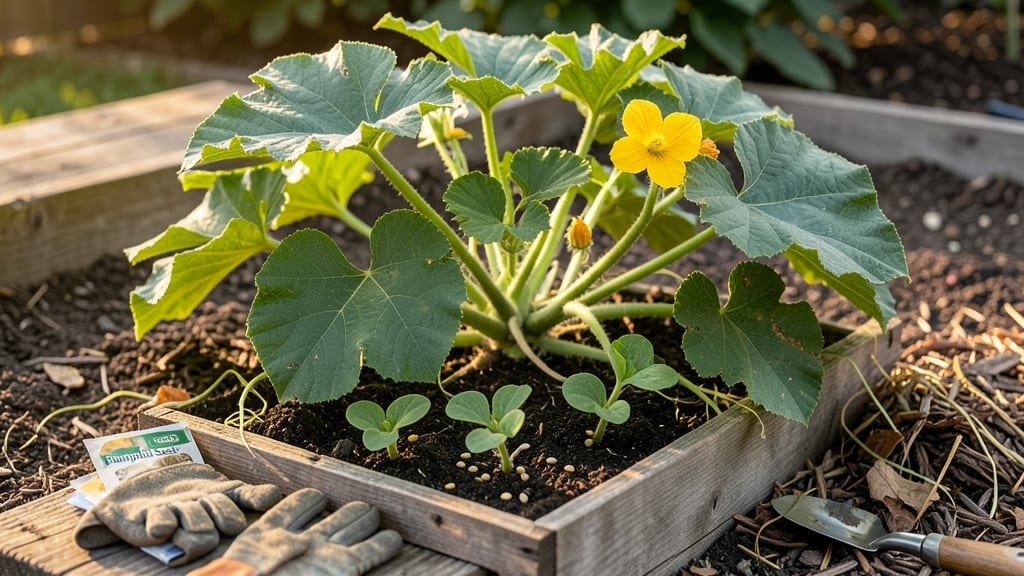
Planting pumpkin seeds in Ohio isn’t just about waiting for spring—it’s about catching that perfect window between frost risks and scorching summer heat. Miss the mark, and you might end up with sad, wilted vines or underwhelming fruit.
But get it right, and you’ll be feasting on homegrown 🎃 by late summer, whether you’re carving jack-o’-lanterns or baking pies.
For Ohio gardeners in zones like 6a, the ideal time to plant pumpkin seeds is between mid-April and mid-May, once the soil has warmed to at least 60°F and the last frost has passed.
This timing ensures your pumpkins have enough growing days—typically 90-120 days—to mature before the first frost hits in October.
You might wonder whether to start seeds indoors or plant directly in the ground. While transplanting can give you a head start, pumpkins thrive best when sown directly into the soil, especially in Ohio’s variable climate.
I’ll break down the best methods, soil prep tips, and even which pumpkin varieties perform best in your region.
Ready to grow pumpkins that rival the pros? Let’s dive into the exact dates, soil secrets, and variety choices that’ll turn your Ohio garden into a pumpkin patch paradise. You’ll learn how to avoid common mistakes and maximize your harvest—no more guessing games!
Ohio pumpkin planting calendar by hardiness zone: exact dates for seeds vs transplants
Ohio’s hardiness zones 5-7 create a tricky balance for pumpkin growers—plant too early, and frost zaps tender seedlings; too late, and your 90-day vines won’t mature before winter.
The key is waiting for soil temperatures above 60°F and last frost dates (typically mid-April in southern Ohio, early May in northern zones).
Most Ohio gardeners direct-sow seeds after Memorial Day, but transplants can give you a 2-week head start if you start seeds indoors in March. For zone 6a (central Ohio), aim for May 1-15—the sweet spot before summer heat peaks.
In zone 7a (southern Ohio), you can push to April 20-May 5.
⚠️ Critical Warning: Pumpkin seeds won’t germinate in cold soil (<60°F). Use a soil thermometer to confirm readiness. If your area has late spring frosts (like Toledo’s average April 20 frost date), opt for fast-maturing varieties (75-85 days) or use row covers for early seedlings.
| Zone | Last Frost Date | Ideal Planting Window | Soil Temp Threshold | Method |
|---|---|---|---|---|
| 5a (Northern OH) | May 10-20 | May 20-June 5 | 60°F+ (use black plastic mulch) | Direct-sow only |
| 5b (Northeast OH) | April 25-May 5 | May 10-25 | 60°F+ (wait for consistency) | Direct-sow or transplants |
| 6a (Central OH) | April 15-25 | May 1-15 | 60°F+ (test with thermometer) | Direct-sow or transplants |
| 7a (Southern OH) | April 5-15 | April 20-May 5 | 55°F+ (earlier for fast varieties) | Direct-sow or transplants |
For transplants, start seeds indoors 4-6 weeks before your target outdoor date. Use biodegradable pots to avoid root disturbance. Harden off seedlings by placing them outdoors for 2-3 hours daily starting 1 week before transplanting. Ohio’s humid summers mean seedlings need shade cloth if direct-sown before June.
Pro tip: Plant seeds in hills (4-5 seeds per mound, 12 inches apart) to improve drainage and reduce blossom end rot. Space hills 4-6 feet apart—pumpkin vines spread 10-20 feet!
In containers, choose dwarf varieties like ‘Jack Be Little’ and use 5-gallon pots with trellises to save space.
If you miss the spring window, don’t despair—Ohio’s short growing season allows for late summer replanting. Try 60-day varieties like ‘Autumn Gold’ by July 1 for small harvests before frost. Just be prepared for smaller fruit and increased pest pressure from later plantings.
🌱 Key Takeaway: The May 1-15 window works for most of Ohio, but verify your local frost dates (check the Old Farmer’s Almanac) and soil temps. For zone 5, prioritize early-maturing varieties or use row covers to extend the season.
🎃 Ohio-Specific Hack: Use black plastic mulch to warm soil faster—this lets you plant 2 weeks earlier in cooler zones. Just remove it once vines emerge to prevent overheating.
Remember: Pumpkins need heat. If your summer feels unseasonably cool (like 2022’s La Niña year), opt for shorter-day varieties that mature faster. Monitor your plants closely—yellowing leaves can signal powdery mildew, common in Ohio’s humidity.
5 Critical factors that determine Ohio pumpkin seed planting success (beyond just dates)
Timing your pumpkin seeds is just the first step—Ohio’s variable soil conditions, humidity levels, and space constraints can make or break your harvest. I’ve grown pumpkins in Zone 6a for years, and these five factors consistently separate thriving vines from disappointing patches.
Let’s tackle them one by one so you can avoid common pitfalls.
First, your soil pH and fertility are non-negotiable. Pumpkins crave well-draining soil with a pH between 6.0 and 6.8. Test your soil in early spring—if it’s too acidic, amend it with lime, and if it’s sandy, mix in compost to retain moisture.
A quick fix? Plant in raised beds filled with a 50/50 mix of garden soil and compost. This gives you control over drainage and nutrients, especially critical in Ohio’s clay-heavy soils.
Next, consider companion planting to boost your pumpkins’ resilience. Marigolds repel pests like squash bugs, while nasturtiums deter cucumber beetles. I plant one row of marigolds around my pumpkin patch—it’s a game-changer for reducing pesticide use.
Avoid planting near potatoes or melons, though, as they compete for nutrients. For small gardens, try bush varieties like ‘Cinderella’ and interplant with herbs like basil, which thrive in the same conditions.
🌱 5 Critical Factors for Ohio Pumpkin Success
- Soil Prep: Amend with compost for pH 6.0-6.8 and improve drainage.
- Companion Plants: Marigolds and nasturtiums deter pests naturally.
- Space Management: Use trellises or hills for small gardens; space standard vines 3-4 ft apart.
- Season Extension: Use black plastic mulch to warm soil early or row covers for late varieties.
- Watering Strategy: Deep water in mornings to prevent fungal diseases.
Space is another hurdle in Ohio gardens, where vines can sprawl 20-30 feet. If you’re short on room, try hill planting: mound soil into 12-inch-high hills and plant 3-4 seeds per hill. This improves drainage and makes harvesting easier.
For containers, choose bush varieties and use at least 5-gallon pots—but expect smaller fruit. I’ve had success with ‘Jack Be Little’ in large containers on patios, proving you don’t need acres to grow pumpkins.
Ohio’s unpredictable frost dates can also throw off your harvest. To extend the season, use black plastic mulch to warm the soil earlier in spring. For late varieties, try floating row covers to protect young plants from unexpected cold snaps. I’ve planted ‘Howden’ pumpkins under row covers in early May and still harvested full-sized fruit by October. Just
Finally, watering discipline is key. Pumpkins need 1-2 inches of water weekly, but inconsistent moisture leads to blossom-end rot. Water deeply in the morning to reduce fungal diseases like powdery mildew. I set up a drip irrigation system for my pumpkin patch—it saves time and ensures even moisture. Avoid overhead watering, especially in humid Ohio summers, as it encourages leaf diseases that can kill your plants.
Master these five factors, and your Ohio pumpkin patch will thrive—no matter your zone or space. The payoff? Bountiful harvests of perfect pumpkins for carving, baking, or sharing. Now, let’s talk varieties—because not all pumpkins are created equal in Ohio’s climate! 🎃