
Plants
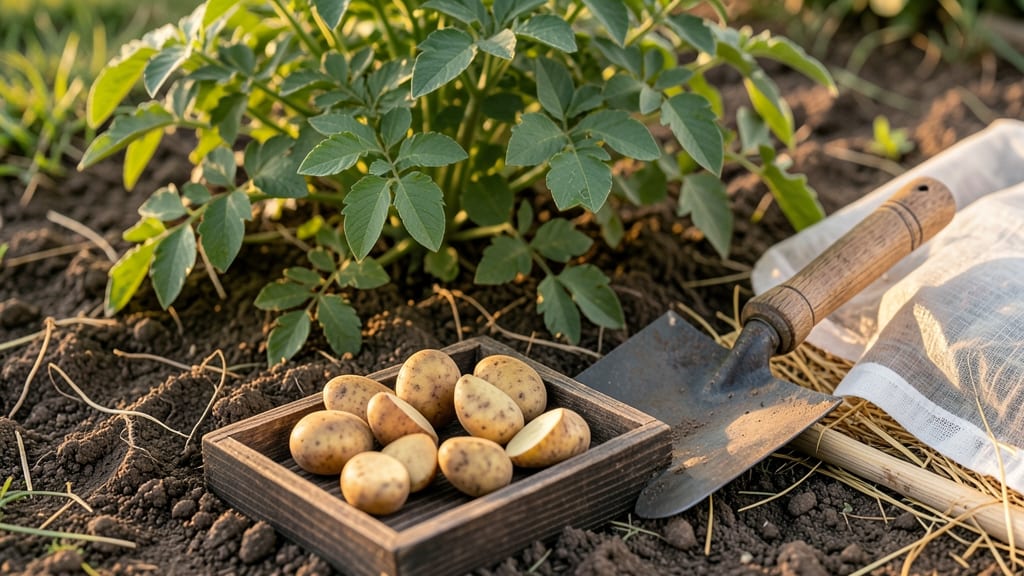
Planting potatoes in Zone 8 at the wrong time can turn your hard-earned effort into a gamble with frost. Unlike cooler zones, your late winter to early spring window is narrow—just a few weeks between the last frost and scorching summer heat.
If you time it right, you’ll enjoy a bountiful harvest of crisp 🥔 tubers by summer. But miss the mark, and you might face stunted growth or even lost crops.
The key is understanding your microclimate—whether you’re near the coast, inland, or in a high-desert area—each has its own frost-free rules.
In this guide, I’ll break down the exact planting windows for Zone 8’s varied conditions, plus tricks to extend your growing season. You’ll learn how to prep soil, choose the right varieties, and avoid common mistakes that sabotage yields.
Ready to grow potatoes that thrive? Let’s get started with the perfect timing and techniques tailored just for your Zone 8 garden.
Zone 8 potato planting calendar: exact dates by microclimate type
Zone 8’s diverse microclimates—from coastal to high-desert—create a 3-4 week window difference in safe planting times. Inland areas like Phoenix or San Diego can plant 2 weeks earlier than cooler valleys like Sacramento.
Always check your last frost date (typically February 15 for Zone 8a, March 1 for 8b) and adjust for local variations.
Soil temperature is your true guide, not just calendar dates. Potatoes thrive when soil reaches 45°F (7°C). Use a soil thermometer to confirm readiness—planting too early in cold soil stunts growth.
Coastal areas often hit this threshold by late February, while inland deserts may wait until mid-March.
For early harvests, aim to plant 4-6 weeks before your first expected frost-free window. In Zone 8a, that’s mid-February to early March. In Zone 8b, push to late February to mid-March.
Late varieties can handle slightly later plantings (up to April 15) but risk heat stress if summer arrives early.
🌱Pro Tip: Chit your seed potatoes (sprout them indoors) to jumpstart growth. This shaves 10-14 days off your planting timeline, critical for Zone 8’s tight windows.
| Microclimate | Ideal Planting Window | Soil Temp Threshold | Last Frost Date | Harvest Window |
|---|---|---|---|---|
| Coastal (e.g., San Diego) | Late February – Early March | 45°F (7°C) | February 15 | May – June |
| Inland Valley (e.g., Sacramento) | Mid-March – Early April | 45°F (7°C) | March 1 | June – July |
| High-Desert (e.g., Palm Springs) | Late February – Early March | 50°F (10°C) | February 20 | May – June |
| Urban Heat Island (e.g., LA) | Early March – Mid-April | 45°F (7°C) | February 28 | June – July |
🌡️ Note: Adjust for 3-5°F cooler nights in valleys vs. urban areas.
If you’re in a high-desert microclimate, prioritize early-maturing varieties like ‘Yukon Gold’ (90 days) or ‘Red Pontiac’ (85 days). These finish before summer’s 100°F+ heat stresses tubers. Inland gardeners can afford 100-120 day varieties like ‘Russet Burbank’ if planted by March 15.
For fall planting (a Zone 8 hack!), use late-season varieties like ‘Kennebec’ sown in August. Harvest before first frost (Nov 15). This doubles your yield but requires consistent irrigation to prevent tuber shriveling in dry soil.
💧Watering Tip: Keep soil moist but not soggy for 2 weeks post-planting. Use drip irrigation to avoid wetting foliage, reducing blight risk in Zone 8’s humid summers.
Track your local heat units (growing degree days) via USDA’s Plant Hardiness Zone Map or apps like Gardenate. Aim for 1,000–1,500 heat units before harvest. Coastal areas often hit this by late May, while inland zones may need until July.
✅Ready to Plant? Test your soil’s pH (5.0–6.5) and amend with compost or aged manure for nutrient-rich tubers. Zone 8’s fast-draining soils often need organic matter to retain moisture.
Zone 8 potato planting calendar: exact dates by microclimate type
Zone 8’s diverse microclimates—from coastal Southern California to inland deserts—create a 3-4 week window for planting potatoes. The key is aligning your schedule with soil temperatures (ideally 45°F+) and frost-free probability.
Inland areas like Phoenix have earlier last-frost dates (mid-February), while coastal regions like San Diego may wait until late March.
For Zone 8a (colder sub-zone), aim for mid-February to early March—this gives tubers time to mature before summer heat. In Zone 8b, you can plant as late as early April without risking frost.
Always check your local frost-free date (usually February 15 for most of Zone 8) and plant 2-4 weeks before.
Here’s how microclimates break down:
| Microclimate | Ideal Planting Window | Soil Temp Threshold | Frost Risk |
|---|---|---|---|
| Inland Desert (e.g., Phoenix) | Late February - Early March | 45°F+ | Low (after Feb 15) |
| Coastal (e.g., San Diego) | Late March - Early April | 50°F+ | Very Low |
| Valleys (e.g., Central Valley CA) | Mid-February - Mid-March | 40°F+ | Moderate (Feb frost possible) |
| High Desert (e.g., Palm Springs) | Early March - Mid-March | 50°F+ | Low (but cooler nights) |
Pro tip: Use a soil thermometer to confirm readiness—potatoes won’t sprout until soil hits 45°F. If your area has unpredictable frosts, opt for early-maturing varieties like ‘Yukon Gold’ (90 days) or ‘Red LaSoda’ (80 days) to hedge your bets.
For fall planting (a Zone 8 hack!), try late summer (August) with fast varieties like ‘New Potatoes’ to harvest before first frost. Just ensure 120+ frost-free days remain for maturity.
Always chit your seed potatoes (sprout indoors) 4-6 weeks before planting to jumpstart growth. This 2-week head start compensates for Zone 8’s short window between frost and summer heat.