
Plants
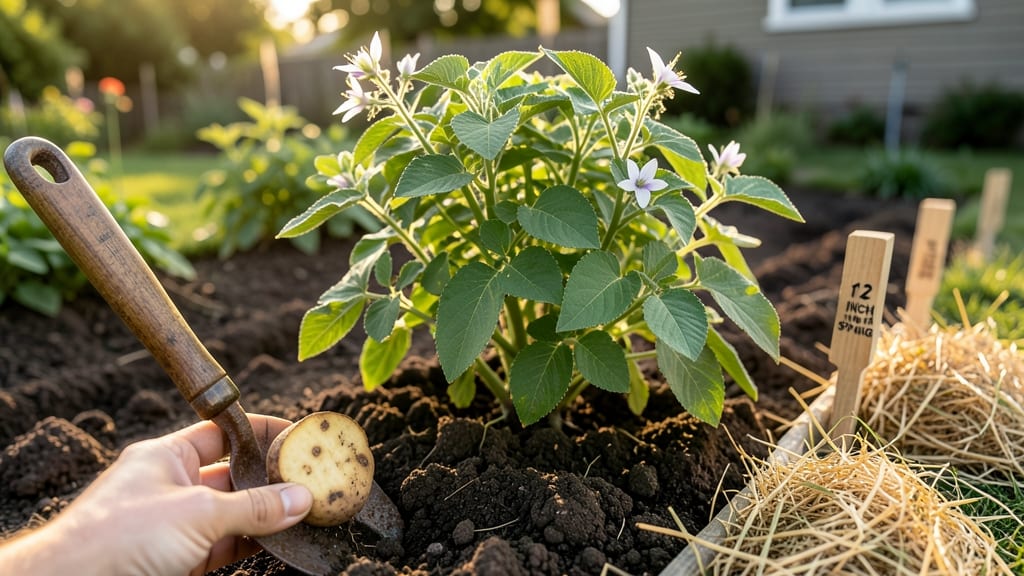
If you're wondering when can you plant potatoes in Zone 5, the answer isn't just about dates—it's about soil temperature. Planting too early when the ground is still cold can leave your 🥔 sprouts struggling, while waiting too long risks a shorter harvest.
The key is catching that sweet spot when the soil hits 45-50°F, signaling it's time to get those seed potatoes in the ground.
For Zone 5 gardeners, this usually means starting as early as late February or early March under frost protection, or waiting until after your last frost date in mid-April.
But don't just guess—testing your soil temperature with a simple thermometer (or even your finger!) ensures your potatoes germinate fast and strong, giving you that head start on a bountiful harvest.
I've learned the hard way that rushing the process can lead to rot, while waiting too long might leave you with stunted plants. The right timing isn't just about the calendar; it's about understanding your microclimate and preparing your soil properly.
With the right approach, you'll be enjoying homegrown potatoes in just 70-120 days, depending on your variety.
Let me walk you through exactly how to time your planting for success—from chitting your seed potatoes to adjusting for early vs. late varieties. You'll discover the game-changer that separates a good potato harvest from a great one, all tailored for Zone 5's unique growing conditions.
Zone 5 potato planting calendar: exact dates based on soil temperature
Potatoes thrive in Zone 5 when planted at the right time—typically 2-4 weeks before your last frost date. For most Zone 5 regions, this means mid-April to early May, but the real secret lies in soil temperature, not just calendar dates.
Cold soil below 45°F delays germination, while waiting too long risks a shorter harvest before summer heat sets in.
Your last frost date (usually mid-April in Zone 5) is just one piece of the puzzle. The soil temperature must consistently stay between 45-50°F for 7-10 days before planting.
This ensures your seed potatoes sprout quickly and avoid rotting in chilly conditions. In colder microclimates, you might need to plant early varieties as soon as the ground thaws.
Here’s the golden rule: Plant when soil hits 45°F and stays there. In northern Zone 5 (e.g., Minnesota, Wisconsin), this could be late April. In southern Zone 5 (e.g., Kansas, Missouri), you might start as early as mid-March under frost protection.
Always adjust for your local frost risk—late frosts in May can still damage young plants.
For a second harvest, some gardeners try fall planting in Zone 5, but it’s risky. Potatoes need 90-120 days to mature, and first frost in mid-October leaves little room for error. If you attempt it, use early-maturing varieties (like ‘Yukon Gold’) and plant by late July.
🌱
| Planting Window | Soil Temp Requirement | Ideal Varieties | Frost Risk | Zone 5 Timing |
|---|---|---|---|---|
| Early Spring | 45-50°F (7-10 days stable) | ‘Red Norland’, ‘Kennebec’ | High (late frosts) | Mid-April to early May |
| Late Winter (Frost Protection) | 40-45°F (with cover) | ‘Early Red’, ‘Chieftain’ | Very High | Late March (under row covers) |
| Fall (Risky) | 50-55°F (for 2 weeks) | ‘Yukon Gold’, ‘Adirondack Blue’ | Extreme (first frost) | Late July (if bold!) |
Your potato variety also dictates timing. Early-maturing varieties (like ‘Early Rose’) can handle cooler soils and shorter seasons, while late varieties (like ‘Russet Burbank’) need warmer soil and longer growing windows. In Zone 5’s short season, prioritize 70-90 day varieties to avoid frost damage before harvest.
Pro tip: Chit your seed potatoes (sprout them indoors) 4-6 weeks before planting. This gives you a 2-week head start on germination once soil warms.
Place them in a bright, cool spot (around 50°F) with the rose end up—sprouts will emerge in 2-3 weeks, ready to hit the ground running.
If you’re in a high-altitude Zone 5 (e.g., Colorado mountains), plant 1-2 weeks later than your average last frost date. Cooler nights and thinner air slow soil warming. Conversely, in urban heat islands, soil may warm faster—monitor temperatures closely to avoid planting too early.
Always pair your planting date with soil prep. Potatoes love loose, well-draining soil with organic matter. Work in compost or aged manure 2-3 weeks before planting to improve drainage and fertility. Avoid fresh manure, which can burn seedlings and attract pests.
🌿
Zone 5 potato planting calendar: exact dates based on soil temperature
In Zone 5, potatoes thrive when planted after the last frost but before the soil gets too warm. The ideal soil temperature for planting is between 45-50°F. This range ensures fast germination without risking rot from cold, wet soil.
For most of Zone 5, this window falls between late March and mid-April, but exact timing depends on your specific frost date and microclimate.
Early varieties like Yukon Gold or Red Pontiac can handle cooler soil and are perfect for planting as soon as the ground is workable. Late varieties such as Russet Burbank need warmer soil and should wait until mid-April or later.
Always adjust for your local frost risk—some areas may experience late frosts well into April.
🌱
If you're unsure about your local frost dates, check your USDA Plant Hardiness Zone Map or consult your local cooperative extension service. They provide hyper-local advice tailored to your specific area within Zone 5.
For example, gardeners in northern Zone 5 (like Minnesota) should plant earlier, while those in southern Zone 5 (like Missouri) can wait until mid-April.
For a head start, consider chitting potatoes (pre-sprouting in a cool, bright spot) 4-6 weeks before planting. This jumpstarts growth and ensures your potatoes emerge quickly once soil temperatures rise. Just avoid letting the sprouts get too long—they should be 1/2-inch to 1-inch when you plant.
Pro tip: If you experience a late frost after planting, cover your potatoes with row covers or straw mulch to protect tender shoots. This simple step can save your crop and extend your planting window by a week or more.
☀️