
Plants
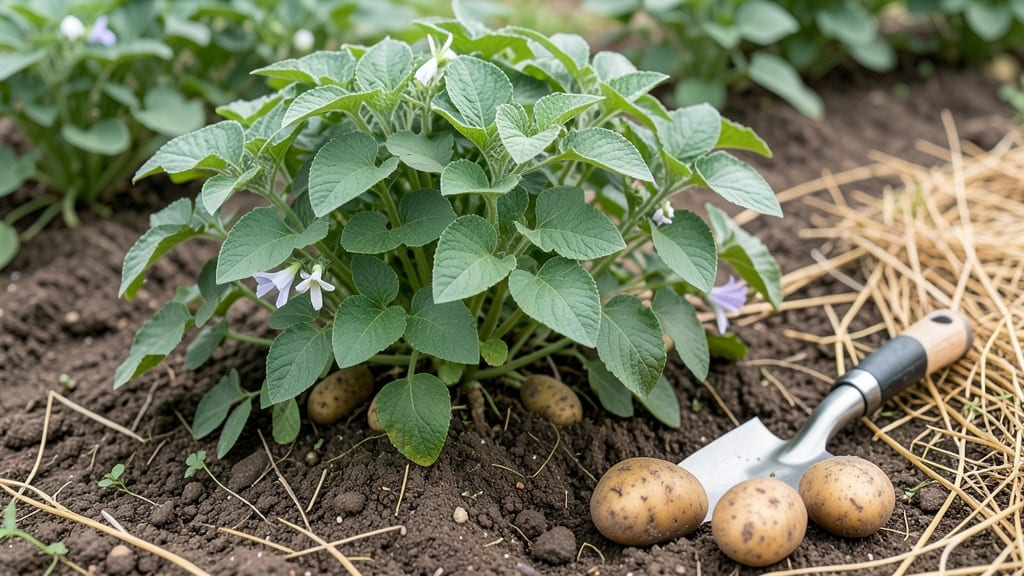
If you’ve ever planted potatoes in California only to watch them bolt into bitter, inedible flowers before producing a single tuber, you’re not alone. The perfect planting window here isn’t just about the calendar—it’s about understanding your microclimate, whether you’re in foggy coastal regions or sunbaked inland valleys.
California’s diverse growing zones mean that what works for a gardener in USDA Zone 7 near the coast could spell disaster for someone in Zone 10 in the desert. I’ve tested the best strategies for timing your plantings, from early spring escapes to late-winter hacks for Southern California’s extended season.
Let’s cut through the guesswork so you can grow 🥔 that stay sweet and starchy.
You’ll discover how soil temperature—not just air temperature—determines success, which varieties thrive in your specific zone, and why chitting (pre-sprouting) your seed potatoes can add critical weeks to your harvest window.
Whether you’re a backyard gardener or a small-scale farmer, these insights will help you avoid the heartbreak of wasted tubers.
Ready to transform your potato patch? I’ll walk you through the exact dates, soil prep, and variety selection that’ll have you digging up a bumper crop—no bitter surprises included. Let’s get started.
California microclimate planting zones: when to plant potatoes by region
California’s diverse climate zones mean your potato planting window could span from February to March in the north—or November to January in the south. The key is understanding your USDA hardiness zone and last frost date, which vary dramatically between coastal fog belts and inland valleys.
For Northern California (Zones 7-10), like the Bay Area or Sacramento Valley, aim to plant 2-4 weeks after your last frost date, typically between February 15 and March 15.
Coastal areas like San Francisco may wait until March 1 due to lingering chill, while inland Sacramento can start earlier.
In Central Coast regions (Zones 8-10), such as Santa Barbara or Monterey, your window shifts to March 15 to April 15. These areas enjoy Mediterranean climates with mild, wet winters and dry summers, making early spring ideal for seed potato germination.
Southern California (Zones 9-11) is the outlier—here, you can plant year-round with the right techniques. For spring crops, target November 1 to January 31 to harvest before summer heat sets in. This region’s desert-adjacent zones (like Palm Springs) may even extend planting into February.
🌱
To pinpoint your exact planting date, check your local Almanac’s frost calendar or use the USDA Plant Hardiness Zone Map. For example, San Francisco’s last frost is around February 15, while Sacramento’s is January 30—a 2-week difference that matters for tuber development.
Pro tip: If you’re in Zone 10+, like Riverside or Palm Springs, focus on winter planting (November–January) to avoid the 100°F+ summers that stress potatoes. Use row covers or raised beds to moderate soil temps.
For high-altitude areas (e.g., Mount Shasta at 4,000+ ft), plant 4-6 weeks later than valley floors—soil warms 2-3 weeks slower at elevation. Test soil temp with a thermometer; aim for 45-55°F for planting.
🌿
Remember, soil temperature is more critical than air temperature. Use a soil thermometer to confirm 50-60°F at 4 inches deep before planting. Cold soil slows sprout growth and increases disease risk, while soil above 70°F can trigger bolting (premature flowering).
Finally, adjust for organic vs. conventional growing: Seed potatoes (whole tubers) need 2-3 weeks to sprout after planting, while seedlings (from nursery) can go in 1-2 weeks earlier. Plan accordingly!
How to avoid bolting: soil temperature, variety selection, and chitting strategies
California’s mild winters and long growing seasons create a perfect storm for potato bolting—when plants flower prematurely, producing bitter, small tubers. The key to success? Controlling soil temperature and choosing the right varieties for your microclimate.
Most potatoes need cool soil (45–55°F) to thrive, but California’s warm winters often push soil temps too high too soon.
If you’ve ever planted potatoes in Southern California’s desert zones (USDA 9b–11) or even the Central Coast’s Mediterranean climate, you’ve likely seen plants bolt within weeks. The solution? Chitting (pre-sprouting) and selecting cold-hardy varieties that tolerate warmer soil conditions. Let’s break down the science behind it.
🚨 Warning: Bolting = Bitter Tubers
Bolting triggers alkaloid production, making potatoes toxic. If your plants flower early, harvest what you can—but expect small, misshapen tubers with poor flavor.
🔹 Signs of bolting: Tall, thin stems + yellow flowers + rapid vine growth
🔹 Fix it fast: Shade cloth (30–50%) + mulch heavily with straw to cool soil.
Not all potatoes bolt equally. Early varieties (60–70 days) like Red Norland or Yukon Gold are more forgiving in warm climates, while late varieties (90+ days) like Russet Burbank bolt faster. For Southern California, opt for Purple Majesty or Fingerling varieties, which handle heat better.
Here’s my step-by-step chitting method to delay bolting: Place seed potatoes in a cool, dark spot (50–55°F) for 4–6 weeks before planting. Once 1-inch sprouts appear, move them to a bright, cool window (60°F) to harden off.
Plant when sprouts are 2–3 inches long—this gives roots a head start in cooler soil.
For soil temperature control, use black plastic mulch (raises soil temp) or straw mulch (keeps it cool). In USDA Zone 10 (Palm Springs, Coachella), I plant potatoes in deep raised beds with drip irrigation to maintain moisture and prevent soil from overheating.
Shade cloth (30%) during peak sun hours also works wonders.
Pro tip: Test your soil’s moisture content before planting. Potatoes bolt faster in dry soil, so aim for consistent dampness (not soggy). A soil thermometer ($10 at garden centers) is your best friend—plant when temps are 55–65°F at 4-inch depth.