
Plants
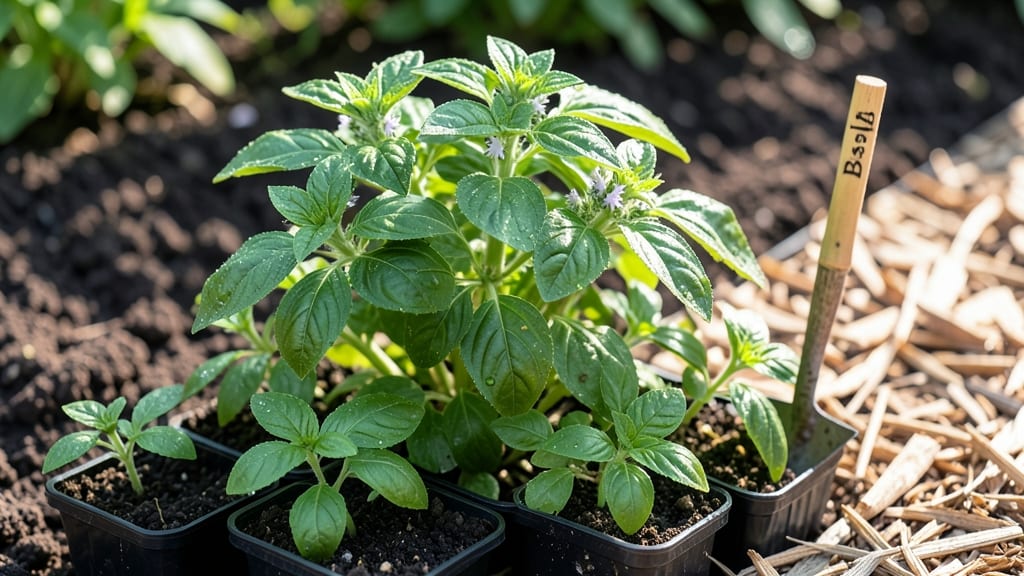
If you’ve ever planted 🌿 basil in California only to watch it bolt into flower before you can harvest a single leaf, you’re not alone. The key to avoiding this frustrating fate lies in understanding your microclimate—and timing your plantings just right.
California’s diverse regions—from coastal breezes to inland heat—mean your basil’s ideal planting window can vary by months. Whether you’re in frost-free Zone 9a-10b or dealing with unexpected cold snaps, knowing when to start seeds indoors or transplant outdoors is the difference between a thriving herb garden and a wasted effort.
In this guide, I’ll break down the exact months to plant 🌿 basil in your specific corner of California, including how to stretch your harvest season and avoid common pitfalls like heat stress. Ready to grow basil that stays lush and productive all season long?
Let’s dive into the science-backed schedule that’ll keep your basil happy, healthy, and ready for harvest—without the dreaded bolt.
California basil planting calendar by microclimate (avoid bolting with these months)
California’s diverse climates—from frost-prone valleys to coastal breezes and desert heat—mean one planting schedule won’t work everywhere. Your microclimate dictates whether you’ll enjoy fresh basil from spring to fall or risk bolting before harvest.
Let’s break down the optimal months for each region, including soil temperature thresholds and frost-free windows.
Basil thrives in USDA Zones 9a-10b, but even within California, coastal areas (like San Francisco) have milder winters, while inland valleys (like Sacramento) face frost risks. Desert regions (like Palm Springs) demand shade protection during peak summer heat.
Start by identifying your zone—this will determine whether you plant in early spring or late summer.
For coastal California, where winters are mild and frost is rare, plant basil in January through March for spring harvests.
Inland areas should wait until after the last frost date (mid-March to early April), while desert regions benefit from August-September planting to escape summer’s scorching sun. Soil temperature is critical: seeds need 70°F+, while transplants thrive at 60°F+.
If you’re starting basil from seeds, coastal gardeners can begin indoors in December for early spring transplants, while inland growers should wait until February. Transplants are easier for beginners—opt for nursery starts in March or September to align with your microclimate’s frost-free window.
Pro tip: Hardening off seedlings for 7–10 days before transplanting boosts survival rates in California’s variable weather.
For fall harvests, desert regions can plant as late as September, while coastal areas benefit from August sowings. Inland valleys should aim for early September to avoid early winter chills. Succession planting every 2–3 weeks ensures a continuous supply—perfect for pesto lovers!
Just remember: bolting risk increases when nights dip below 50°F, so use row covers if frost threatens.
California’s long growing season (300–365 frost-free days) lets you experiment with year-round basil in mild coastal zones.
Try winter cold frames or greenhouses to push limits, but avoid planting outdoors when soil temps drop below 55°F. Heat tolerance is another hurdle: basil bolts when daytime temps exceed 90°F, so shade cloth (30–50%) is a game-changer in summer.
Here’s a quick rule of thumb: If your average nighttime temperature stays above 60°F, basil will thrive.
Use a soil thermometer to monitor—ideal temps for germination are 70–85°F. Overwatering in cold soils can also trigger rot, so adjust your watering schedule based on seasonal rainfall (coastal areas need less summer water than deserts).
Don’t overlook container growing—it’s ideal for urban Californians. Use 5-gallon pots with drainage holes and plant in March or September. Containers warm up faster in spring, giving you a 2–3 week head start over in-ground plantings.
Just move pots to shadier spots when temps hit 85°F+ to delay bolting.
To summarize: coastal gardeners plant early (January–March), valley growers wait for frost safety (March–April), and desert dwellers stick to fall (August–September). Soil temperature, shade strategies, and succession planting are your secrets to zero-bolt basil year-round. Ready to pick your perfect window?
California basil planting calendar by microclimate (avoid bolting with these months)
California’s diverse microclimates mean your basil planting schedule should shift depending on whether you’re near the coast, in the Central Valley, or baking in the desert. The wrong timing can trigger bolting—when your plant focuses on flowers instead of leaves.
Let’s break down the ideal months for each region to keep your 🌿 basil thriving.
For coastal areas (like San Francisco or Santa Barbara), mild winters and cool summers create a longer growing window. Inland valleys (Sacramento, Fresno) and desert regions (Palm Springs, Coachella) face higher heat stress, requiring earlier or later plantings.
The key? Start seeds indoors 6-8 weeks before your last frost date—or transplant outdoors when soil temps hit 50°F+.
| Microclimate | Last Frost Date | Best Planting Window | Avoid Planting After | Soil Temp for Transplant |
|---|---|---|---|---|
| Coastal (Zone 9a-10b) | Dec 15 (rare) | Feb 15 - Mar 15 (spring) or Aug 15 - Sep 15 (fall) | May 1 (heat stress) | 55°F+ |
| Central Valley (Zone 9b-10a) | Jan 15 (light frost) | Feb 1 - Mar 10 (spring) or Aug 1 - Aug 31 (fall) | Apr 15 (bolting risk) | 60°F+ |
| Desert (Zone 10a-11) | None (frost-free) | Sep 1 - Oct 15 (fall) or Jan 1 - Feb 15 (winter) | Jun 1 (extreme heat) | 65°F+ |
If you’re in coastal California, aim for February-March or August-September plantings. These windows avoid both winter chills and summer heat stress, giving your basil enough time to mature before bolting.
For inland areas, shift slightly earlier—late January for spring or early August for fall—to escape the 100°F+ temperatures that trigger bolting.
Desert growers have a unique advantage: year-round growing potential. Plant in early fall (September-October) for winter harvests or late winter (January-February) to avoid the brutal summer sun. Always check soil temperatures—basil roots need at least 50°F to thrive, but 70°F+ is ideal for transplanting.
Pro tip: Use a soil thermometer to monitor temps. If your soil runs hotter than 80°F, delay planting until evening temps drop below 90°F. This simple check can save your basil from premature bolting and keep your harvests lush and flavorful all season.
Remember, succession planting is your secret weapon. Instead of one big batch, sow new seeds every 2-3 weeks during your region’s ideal window. This ensures a continuous supply of fresh basil without overcrowding or bolting issues.