
Plants
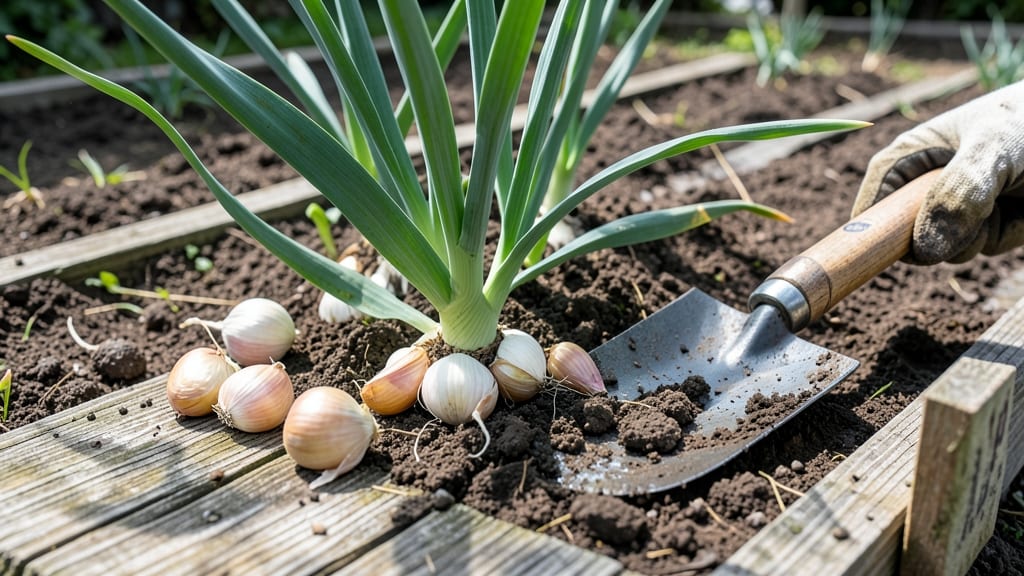
Planting garlic in California at the wrong time can turn your 🧄 dreams into a bolting disaster—tiny bulbs or no harvest at all. The secret lies in understanding your region's microclimate, whether you're in coastal 10a or desert 10b, because those 2-month windows matter more than you think.
Most gardeners in California swear by fall planting, but timing varies wildly between zones. Coastal areas can start as early as October, while inland deserts wait until November—and missing this window means risking weak growth or bolting before harvest.
I've seen firsthand how a simple soil temperature check can save your crop.
Here's what you need to know: the ideal planting window balances cool soil temperatures with enough time before summer heat. For zero-bolt harvests, we'll break down exactly when to plant in your specific area—and how to adjust for rain patterns that can throw off even the best-laid plans.
Skip the guesswork and learn the 3 key factors that determine perfect planting times, from soil prep to variety selection. Your next garlic harvest could be the biggest (and tastiest) yet—if you plant at the right moment.
Best months to plant garlic in California by region (avoid bolting!)
California’s diverse microclimates mean your garlic planting window depends on whether you’re in coastal, inland, or desert regions. Unlike northern states, we don’t worry about frost—just soil temperatures and rainfall patterns. The golden rule? Plant when daytime temps hover around 60-70°F and nights dip below 50°F.
For Northern California (San Francisco, Sacramento), aim for October through early December. This gives bulbs 60-90 days of cool weather before summer heat arrives.
In Southern California (Los Angeles, San Diego), coastal areas can plant until mid-December, while inland desert zones (Palm Springs, Coachella) should wait until November-January.
Here’s the critical difference: Coastal areas get milder winters and more rain, while inland deserts face hotter summers and drier conditions. Your goal is to ensure bulbs mature before daytime temps exceed 80°F—that’s when garlic bolts (prematurely flowers) and yields suffer.
🌱
Use the 60-day rule as your guide: Count back 60 days from your average last frost date (or June 1 for inland areas). This ensures bulbs have enough time to mature before summer heat triggers bolting.
For example, if your last frost is December 15, plant by October 15.
Pro tip: Hardneck varieties (like Silverskin or Artichoke) bolt more easily in heat, while softneck types (California Early) tolerate warmer conditions. If you’re in a hotter inland zone, opt for softneck garlic—it’s more forgiving and stores longer.
Another critical factor is rainfall. Coastal areas get natural moisture, but inland gardeners may need to irrigate consistently. If you’re planting in December or January, schedule weekly deep waterings to prevent drought stress. Mulch with straw or wood chips to retain moisture and regulate soil temps.
🌿
One common mistake is planting too late in hopes of avoiding bolting. Late plantings (after January 15) often produce small, weak bulbs because they don’t get enough cool weather to mature.
Conversely, planting too early (before October 1) can expose cloves to winter rains, increasing rot risk. Balance is key!
For container gardening, the same rules apply—but choose 5-gallon pots or larger to accommodate root growth. Place containers in full sun and use well-draining soil mixed with compost. Inland gardeners can extend the season by using black plastic mulch to warm soil faster in spring.
💧
Best months to plant garlic in California by region (avoid bolting!)
California’s diverse microclimates mean your garlic planting window depends entirely on where you live. Coastal areas like San Francisco (Zone 10a) can start as early as mid-October, while desert regions like Palm Springs (Zone 10b) wait until December.
The key is planting when soil temps drop below 60°F—this triggers bulb formation and prevents bolting (when garlic flowers prematurely).
Most gardeners follow the 60-day rule: count back 60 days from your average last frost date (though frost is rare in California). For coastal areas, this lands in October-November; inland deserts push to November-January. Missing this window means smaller bulbs or no harvest at all.
| Region | Best Planting Window | Soil Temp Goal | Harvest Window |
|---|---|---|---|
| Coastal (San Francisco, Santa Barbara) | Mid-October - November | Below 60°F | June - August |
| Central Valley (Sacramento, Fresno) | Late October - December | Below 55°F | July - September |
| Desert (Palm Springs, Joshua Tree) | December - January | Below 50°F | July - September |
If you’re in a transition zone (like Los Angeles), split your planting: start with hardneck varieties in October and softneck in November. Hardnecks need cold to form bulbs, while softnecks tolerate milder winters.
I’ve found that Artichoke garlic (a hardneck) thrives in coastal areas, while Silverskin garlic (softneck) does better inland.
Pro tip: Use a soil thermometer to confirm temps—plant when readings stay below 60°F for 3+ days. In drought-prone areas, mulch with straw to retain moisture and keep roots cool. This simple step can double your bulb size by harvest time.
Rain patterns also play a role. Coastal gardeners often plant in October to take advantage of winter rains, while inland growers wait for December-January showers. If your area gets irregular rain, supplement with drip irrigation to keep soil consistently moist but not soggy.
Remember: Garlic planted in summer (even by accident) will bolt by spring—so mark your calendar now! The earlier you plant, the larger your harvest. For maximum bulb size, aim for a 240-270 day growing season before harvest.