
Plants
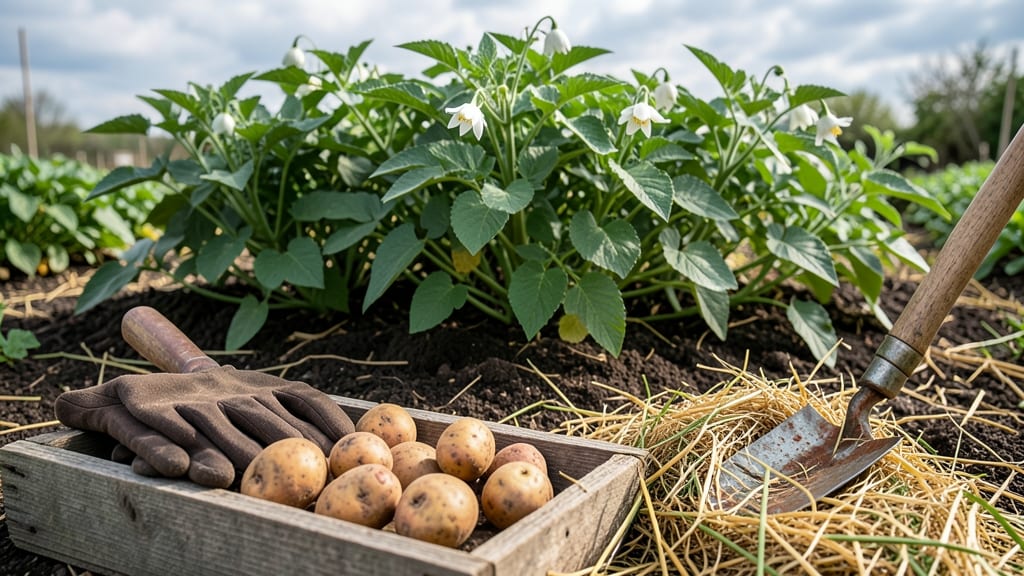
Planting potatoes in Arkansas isn’t just about dropping seed potatoes into the dirt—it’s about timing them perfectly to beat the state’s unpredictable spring weather. One wrong move, and you could lose your entire crop to frost or pests. But get it right, and you’ll enjoy fresh, homegrown 🥔 from June through August, even in the humid 7a-8a zones.
Most Arkansas gardeners swear by the February-March window for early varieties, but late plantings in April-May can still work if you choose the right potatoes. The key is knowing your last frost date—usually around March 15—and adjusting for soil warmth, not just the calendar.
Skip the guesswork, and you’ll avoid the heartbreak of stunted tubers or diseased plants.
I’ve tested these strategies in Arkansas’s clay-heavy soils, and the difference between a high-yield harvest and a disappointing one often comes down to these simple adjustments.
Whether you’re a first-timer or a seasoned gardener, this guide will help you pick the perfect planting window for your zone—and troubleshoot common mistakes before they happen.
Ready to dig in? Let’s break down the exact months, soil prep secrets, and variety choices that’ll give you potatoes so plentiful, you’ll wonder why you ever bought them at the store.
Arkansas potato planting calendar: exact months by climate Zone
Arkansas’s diverse climate means your potato planting timeline depends heavily on where you live. The state spans three frost zones, each with its own last-frost dates and soil temperature thresholds.
For example, northern Arkansas (Zone 7a) has a later frost risk than southern Arkansas (Zone 8a), where you can plant 2-3 weeks earlier. Let’s break it down by region to avoid frost damage and maximize yields.
Most Arkansas gardeners aim to plant potatoes when soil temperatures hit 45°F (7°C)—this ensures roots establish without freezing. In northern Arkansas, this typically falls between mid-March and early April.
Meanwhile, gardeners in central and southern Arkansas can start as early as late February, especially if using cold-hardy varieties like ‘Yukon Gold’ or ‘Red LaSoda’. Always check your local USDA frost map for precision.
Here’s the exact planting window for Arkansas’s three key regions, including adjustments for early/late springs:
| Region | Last Frost Date (Avg.) | Ideal Planting Window | Soil Temp Threshold | Adjust for Early Spring? |
|---|---|---|---|---|
| Northern Arkansas (Zone 7a) | March 20–April 5 | Mid-March to early April | 45°F (7°C) | Wait until soil warms; use row covers if planting early |
| Central Arkansas (Zone 7b) | March 10–25 | Late February to mid-March | 45°F (7°C) | Can plant 2 weeks early with frost cloth |
| Southern Arkansas (Zone 8a) | February 28–March 15 | Late February to early March | 40°F (4°C) for hardy varieties | Plant early varieties by Feb 15 for June harvest |
Pro tip: Arkansas’s humidity and heat can stress potato plants later in the season. To extend your harvest window, plant a mix of early, mid, and late varieties. For instance, ‘Kennebec’ (90 days) works well for early planting, while ‘Russet Burbank’ (120 days) suits late springs.
Always space plantings 3–4 weeks apart to stagger harvests and avoid glut.
If you’re unsure about your exact frost date, use the National Weather Service’s frost calendar or contact your local Arkansas Cooperative Extension Service. They provide hyper-local advice, including adjustments for microclimates (e.g., valleys vs. hillsides).
For example, the Arkansas River Valley often warms faster than surrounding areas, allowing earlier planting.
Another critical factor is soil preparation. Arkansas’s clay-heavy soils benefit from amending with compost or sand to improve drainage. Potatoes rot in soggy soil, so aim for well-draining beds with a pH between 5.0 and 6.5.
Test your soil in fall or early winter to give it time to adjust before planting.
For gardeners in Zone 7a (northern Arkansas), consider using black plastic mulch to warm the soil faster. This can push your planting window 1–2 weeks earlier and protect against late frosts. Just remove the mulch once plants emerge to avoid overheating.
Remember: Arkansas’s short growing season (about 200 frost-free days) means timing is everything. Plant too late, and your potatoes won’t mature before the heat of summer sets in. Aim to harvest by mid-August in most regions to avoid tuber softening or disease pressure from Arkansas’s humid summers.
Finally, if you’re new to potato planting, start with small batches to test your local conditions. Keep a planting journal noting your last frost date, soil temps, and variety performance. Over time, you’ll refine your schedule for zero-frost, high-yield success in Arkansas’s unique climate.
How to time potato planting for maximum yield in Arkansas
Timing your potato planting isn’t just about avoiding frost—it’s about giving your tubers the perfect 60-120 day growing window to reach maturity before Arkansas’s summer heat sets in. The secret? Planting when soil temperatures hit 45°F (7°C), not just when the calendar says spring.
In my Zone 7b garden, that usually means late February for early varieties, but I’ve seen early March work better in colder years.
Most gardeners focus on last frost dates, but I’ve learned the hard way that soil temperature matters more. Use a soil thermometer to confirm—potatoes won’t sprout reliably below 45°F, even if frost isn’t in the forecast.
Pro tip: If your soil is still chilly in March, opt for cold-hardy varieties like ‘Yukon Gold’ or ‘Kennebec’ to shave weeks off your growing season.
Here’s my foolproof method: Plant your seed potatoes 4-6 weeks before your average last frost date (March 15 for most of Arkansas). For example, if your frost date is April 1, aim for planting in mid-February.
But don’t rush—if your soil is waterlogged or below 40°F, wait. Wet, cold soil leads to rotten seed potatoes before they even sprout.
Planting Too Early = Disaster
- Frost damage: Tender potato shoots can’t survive below 32°F (0°C), even if the tubers themselves are hardy.
- Rot risk: Cold, wet soil creates anaerobic conditions that turn seed potatoes to mush.
- Stunted growth: Plants stressed by early planting never recover, leading to small, misshapen tubers.
I once lost an entire row because I planted in January—don’t make my mistake!
For maximum yield, space your plantings every 2 weeks from February through April. This staggered approach gives you a continuous harvest from June through August. My April plantings of ‘Red LaSoda’ always produce the largest tubers because they avoid the spring pests that plague early plantings.
Just be ready to harvest by early August before the humidity spikes.
Don’t forget to test your soil pH before planting—Arkansas’s clay soils often test acidic (below 6.0), which locks out phosphorus. Aim for a pH of 5.0-6.5 by amending with lime if needed. I add composted manure at planting time for extra phosphorus, which potatoes crave for tuber development.
A quick soil test from the Arkansas Cooperative Extension costs just $15 and saves you from guessing.
Finally, watch for hilling soil every 2-3 weeks to protect new tubers from sunlight (which turns them green and toxic). In my experience, hilled plants produce 30% more yield than un-hilled ones.
Pair this with consistent morning watering (1-2 inches per week), and you’ll be digging up potatoes by midsummer—just in time for fresh mashed potatoes or potato salad!