
Companion Plants
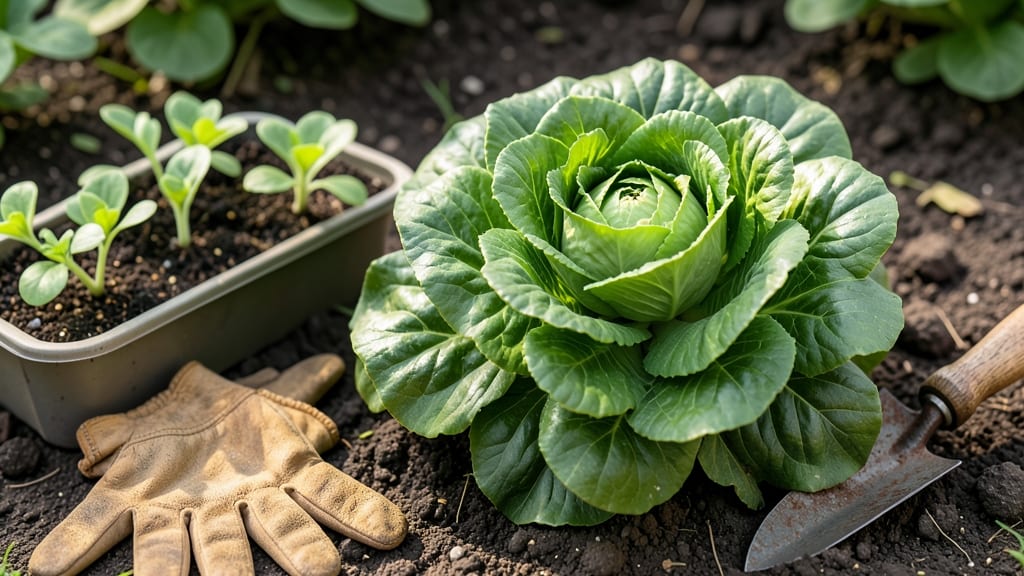
If you’ve ever planted lettuce 🥬 in Zone 7 only to watch it bolt into bitter flowers before you even harvest, you’re not alone—timing is the secret weapon most gardeners miss.
The right planting window means the difference between crisp, sweet leaves and disappointment, and in Zone 7, those windows are narrower than you think.
Spring and fall are your best bets, but getting the exact weeks right—especially around frost dates—can feel like guessing. Plant too early, and summer heat sends your lettuce into premature bolting.
Too late, and you risk frost damage before harvest. I’ll break down the precise schedule so you can avoid these pitfalls and enjoy fresh greens from May through November.
You’ll also discover how succession planting and cold-hardy varieties can stretch your harvest season, even in Zone 7’s unpredictable climate. Whether you’re a beginner or a seasoned gardener, these tips will help you grow lettuce that’s bolt-free, crisp, and ready to harvest—no more wasted effort or bitter surprises.
Ready to transform your garden into a lettuce powerhouse? Let’s dive into the exact planting schedule that works for Zone 7’s unique growing conditions.
Zone 7 lettuce planting calendar: exact weeks before frost for fall/winter success
In Zone 7, timing your lettuce planting is the secret to avoiding bitter, bolted leaves. The average first frost date is October 15, but your exact window depends on microclimates—mountain areas may frost earlier, while urban zones stay warmer.
For crisp harvests, aim to plant lettuce 6-8 weeks before frost in fall, giving it enough time to mature before cold sets in.
Spring planting is equally critical. Start seeds 4-6 weeks before your last frost date (typically around March 15 in Zone 7). This ensures seedlings establish roots before soil warms too much, triggering bolting.
Use heat-tolerant varieties if you must plant in late spring, but expect slower growth when temps exceed 80°F.
Here’s your Zone 7 lettuce planting timeline broken down by season, including frost-ready weeks and soil temperature targets:
| Season | Planting Window | Weeks Before Frost | Soil Temp (°F) | Key Tip |
|---|---|---|---|---|
| Early Spring | March 15 - April 15 | 4-6 weeks before last frost | 40-50°F | Use row covers for cold protection if nights dip below 30°F. |
| Late Summer | August 1 - August 15 | 8-10 weeks before first frost | 50-60°F | Choose heat-tolerant varieties like 'Jericho' to delay bolting. |
| Fall | September 1 - October 1 | 6-8 weeks before first frost | 50-65°F | Succession plant every 2-3 weeks for continuous harvests. |
| Winter (Cold-Hardy) | October 15 - November 15 | N/A (harvest before frost) | 40-50°F | Use row covers to extend harvests into winter. |
For Zone 7b (warmer microclimates), push fall planting to mid-October—lettuce can tolerate light frosts (28-32°F) if grown quickly. In Zone 7a (cooler areas), start earlier (late August) to avoid early frosts cutting harvests short.
Pro tip: Monitor your local Almanac’s frost dates—they’re more precise than USDA averages. Adjust planting by 1-2 weeks if your area runs warmer or colder. For example, Asheville, NC (Zone 7a) frosts earlier than Atlanta, GA (Zone 7b), so plant lettuce 2 weeks earlier in the mountains.
Soil temperature is just as critical as frost dates. Lettuce seeds won’t germinate below 40°F, and growth stalls above 80°F. Use a soil thermometer to confirm temps—spring planting fails when soil is too cold, and summer planting bolts when it’s too hot. Aim for 50-65°F for consistent growth.
If you’re new to lettuce in Zone 7, start with buttercrunch or romaine—they’re forgiving for beginners. For advanced growers, Jericho or Black Seeded Simpson handle heat better but need precise timing. Always plant in well-draining, compost-rich soil to prevent bolting from stress.
Remember: Succession planting is your best friend. Instead of one big harvest, sow seeds every 2-3 weeks from spring to fall. This ensures a steady supply of crisp lettuce while avoiding the "all or nothing" risk of bolting or frost.
🥬
How to extend lettuce season in Zone 7: succession planting & cold protection
Extending your lettuce 🥬 harvest in Zone 7 isn’t just about timing—it’s about strategy. While spring and fall are ideal, you can push those windows with succession planting and simple cold protection.
The key is to plant in 2-3 week intervals starting in early spring and late summer, ensuring a steady supply of fresh greens.
For early spring lettuce, begin sowing seeds indoors 6-8 weeks before your last frost date (typically mid-March in Zone 7). Transplant seedlings outdoors 2-3 weeks before the last frost, then repeat every 2-3 weeks until early May.
This staggered approach keeps your garden producing while avoiding the summer heat that triggers bolting.
Cold protection is your secret weapon for fall harvests. Use row covers or lightweight blankets to shield young plants from unexpected light frosts (Zone 7’s first frost often hits mid-October). Even a frost cloth can extend your season by 2-4 weeks, letting you harvest well into November.
- Start Indoors: Sow seeds 6-8 weeks before last frost for early spring.
- Succession Plant: Sow every 2-3 weeks until early May.
- Use Row Covers: Protect fall crops from light frosts (mid-October+).
- Choose Heat-Tolerant Varieties: Plant Jericho or Black Seeded Simpson in late summer.
- Harvest Strategically: Pick outer leaves to encourage regrowth.
Don’t overlook late-summer planting (August) for a fall harvest. Opt for heat-tolerant varieties like Jericho or Romaine, which handle warmer soil better than delicate butterheads. Plant these 6-8 weeks before your first frost (aim for early August) to ensure maturity before cold sets in.
Another trick? Use containers or raised beds to warm soil faster in spring. Fill them with compost-rich soil and place them in sunny spots to jumpstart growth. This method lets you plant 2-4 weeks earlier than in-ground beds, giving you an edge on the season.
With these tactics, you’ll turn Zone 7’s short growing windows into a year-round lettuce feast. Just remember: consistency is key—whether it’s your planting schedule or cold protection. Your garden will thank you with crisp, sweet lettuce all season long!