
Plants
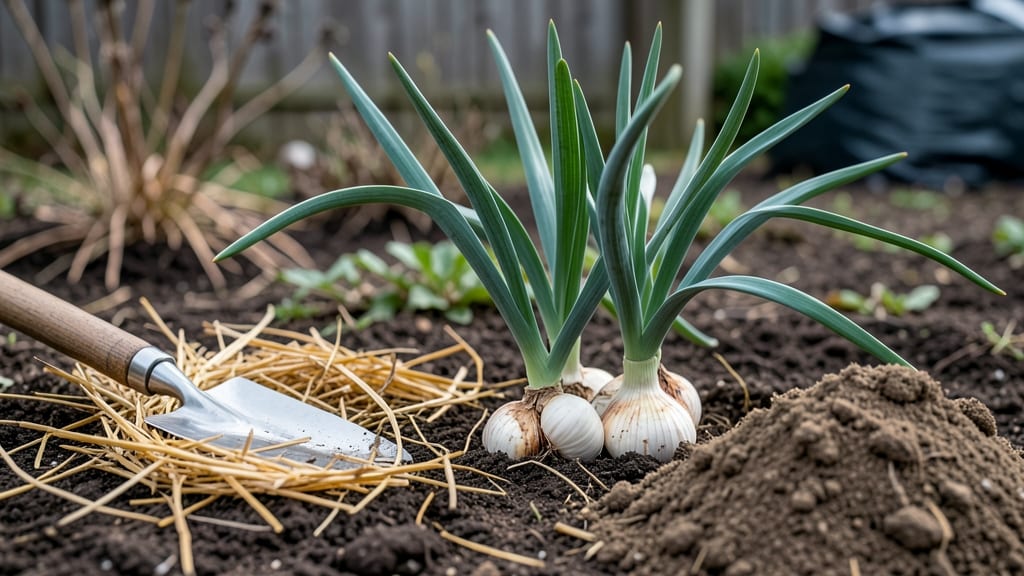
If you're a Minnesota gardener, planting garlic at the wrong time could mean the difference between a bountiful harvest and a total flop. The key to growing plump, flavorful 🧄 bulbs in our cold climate lies in timing—specifically, getting those cloves in the ground between mid-September and early October.
Why does this window matter so much? Minnesota's short growing season and harsh winters demand precision. Plant too early, and your garlic might sprout before winter sets in. Too late, and it won't have enough time to establish strong roots before the ground freezes.
The solution? Understanding how to align your planting with our Zone 4a-5a frost patterns.
In this guide, I'll walk you through the exact steps to plant garlic for maximum success in Minnesota. We'll cover soil prep, spacing, and even how to protect your crop from freeze-thaw cycles.
Whether you're a seasoned gardener or just starting out, these tips will help you grow garlic that thrives despite our challenging climate.
Ready to transform your garden into a garlic powerhouse? Let's dive into the secrets of planting garlic at the perfect time for Minnesota's unique growing conditions.
Minnesota garlic planting deadline: when to start for best yields
Timing your garlic planting in Minnesota is all about the fall frost dates and soil temperature. The ideal window is mid-September to early October, when daytime temps average 50-60°F and nights dip into the 30s.
This gives cloves 4-6 weeks to establish roots before the ground freezes—critical for winter survival in USDA Zones 3-5.
Minnesota’s hardneck garlic (best for cold climates) thrives when planted before October 15th in most areas. Southern MN (Zone 5) has slightly more flexibility, while northern regions (Zone 3) must plant by mid-September. Late planting risks weak root development, leading to smaller bulbs or total failure.
Here’s why timing matters: Garlic needs 120 frost-free days to mature. Planting too early (August) gives cloves too much time to sprout before winter, while planting too late (November) leaves them vulnerable to freeze-thaw cycles that damage emerging shoots in spring.
Soil temperature is the real deadline indicator. Use a soil thermometer to confirm temps are below 40°F—when this happens, your garlic is safely dormant until spring. In Minnesota, this typically occurs by mid-October, but urban areas may freeze 1-2 weeks earlier due to heat island effects.
Hardneck vs. softneck garlic matters in Minnesota. Hardneck varieties (like Music or German White) are non-negotiable—they produce scape shoots in summer and handle Zone 3 winters better. Softneck types (like Silverskin) struggle with our harsh winters and are better suited for Zone 5+ areas like southern Minnesota.
Pro tip: Check your last frost date using the MN State Climatology Office’s records. In northern MN (Zone 3), aim for September 15th planting, while southern MN (Zone 5) can stretch to October 10th.
Urban gardeners should plant 1 week earlier than rural areas due to heat retention in concrete environments.
Don’t let early snowfall fool you—garlic cloves buried 4 inches deep can survive light snow cover (up to 6 inches) thanks to their natural insulation. The real risk comes from freeze-thaw cycles that heave soil, exposing cloves. Mulch with straw or leaves (3-4 inches) to protect them until spring.
Spring planting is possible in Minnesota, but it’s risky. If you miss fall, you can try late winter planting (February), but bulbs will be smaller and less flavorful.
The 60-day rule applies: For every day planted after the ideal window, expect 10% smaller bulbs. That’s why fall planting is non-negotiable for serious gardeners.
Use this 3-step timing check before planting:
- Verify soil temps are below 50°F (use a thermometer)
- Confirm 6-8 weeks remain until your area’s first hard frost
- Choose hardneck varieties rated for your specific USDA zone
🌱
Minnesota garlic planting deadline: when to start for best yields
Timing your garlic planting in Minnesota isn't just about the calendar—it's about aligning with our Zone 4a-5a climate. The ideal window is between mid-September and early October, when soil temperatures drop below 70°F but before the ground freezes.
This 4-6 week window before winter lets garlic establish roots while avoiding early sprouting.
For hardneck garlic (best for Minnesota winters), aim for late September planting. Softneck varieties can stretch to early October, but they're less cold-hardy. The key is getting cloves in the ground when daytime temps hover around 50-60°F—perfect for root growth without shoot development.
Here's why this timing works: Garlic needs 10-12 weeks of cold exposure (called vernalization) to form bulbs properly. Minnesota's winters naturally provide this, but planting too early risks premature sprouting before winter sets in. Too late, and roots won't establish before freeze.
| Planting Factor | Minnesota Specification |
|---|---|
| Ideal Planting Window | Mid-September to early October |
| Soil Temperature | Below 70°F (21°C) |
| Cold Requirement | 10-12 weeks below 40°F (4°C) |
| Hardneck Variety | Late September planting |
| Softneck Variety | Early October planting |
| Last Planting Deadline | Before ground freezes (mid-October) |
Northern Minnesota gardeners (Zone 4a) should plant 2 weeks earlier than southern areas (Zone 5a). Check your last frost date—typically mid-October—and count backward 4-6 weeks. Urban areas may need adjustments due to heat island effect, while rural spots benefit from cooler nights.
Pro tip: Use a soil thermometer to confirm temps are below 70°F before planting. If you miss the fall window, spring planting is possible but yields will be 30-50% smaller. The trade-off? You'll get garlic for current-year use instead of storing bulbs.
Remember: The goal is root establishment before winter, not shoot growth. With proper timing, your garlic will emerge next spring ready to grow strong bulbs despite Minnesota's short growing season.