
Companion Plants
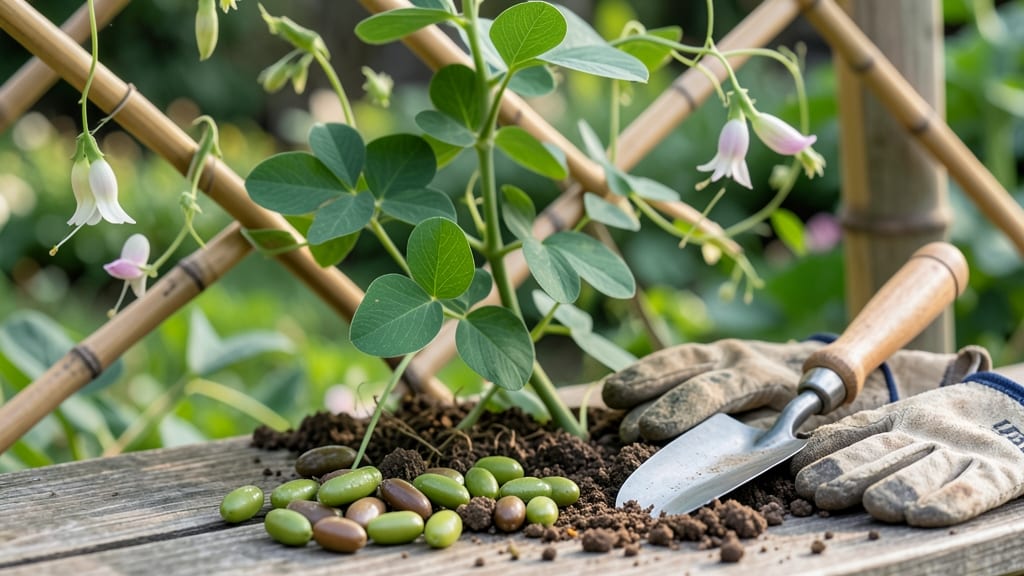
If you’ve ever wondered why your 🌱 peas struggle to grow in the UK, the answer might be as simple as planting them at the wrong time. These cold-hardy crops thrive when sown early, but getting the timing right can mean the difference between a fast harvest and wasted effort.
In the UK, where frost lingers longer in some regions than others, the ideal window for planting peas stretches from March to May—but late summer sowing (September to October) also works for autumn harvests.
Whether you’re in London’s milder Zone 9a or colder Northern England’s Zone 8a, understanding your local frost patterns is key to success.
Peas are best sown directly outdoors, not transplanted, and they germinate quickly—often in just 5–10 days—when soil temperatures rise. But plant too early, and frost can stunt growth; too late, and you’ll miss the peak harvest window.
I’ll show you exactly how to time it right for your region, plus tips to maximize your yield.
Ready to grow peas that outperform last year’s crop? Let’s dive into the best months, soil prep, and varieties that shine in UK gardens—so you can enjoy crisp, homegrown peas all season long.
Best months to plant peas in the UK for maximum yield
Peas thrive in the UK’s cool climate, but timing your planting is critical for fast germination and strong yields. Unlike many vegetables, peas love cold weather and can even tolerate light frosts.
The ideal window spans from late winter to early spring, with a second chance in late summer for autumn harvests.
In most of the UK, aim to sow peas 2-3 weeks before your last frost date. For example, in London (USDA Zone 9a), this means planting between mid-March and April.
In colder regions like Northern England (Zone 8a), wait until late April or early May when soil temperatures reach 7-10°C (45-50°F).
Autumn planting is also possible for late-season varieties, typically between September and early October. This extends your harvest into November or December, just in time for festive meals. However, avoid planting too late—peas need 60-90 days to mature, so sow no later than mid-October in most regions.
| Planting Window | Ideal Soil Temp | Harvest Time | UK Regions |
|---|---|---|---|
| Early Spring (March–April) | 7–10°C (45–50°F) | June–July | All UK (adjust for frost) |
| Late Summer (September–October) | 5–8°C (41–46°F) | November–December | Southern UK (milder zones) |
| Microclimates (e.g., coastal) | 5–12°C (41–54°F) | Flexible (earlier/later) | Coastal, urban heat islands |
Peas germinate best in cool but not freezing soil. If you plant too early, seeds may rot in waterlogged ground, while waiting too long risks pest pressure or slower growth. A simple trick? Press a finger 2 inches deep—if the soil feels cool but crumbly, it’s ready.
For northern UK gardeners, consider using cloches or fleece to protect early sowings. In southern UK regions, where springs warm quickly, prioritize shade cloth to prevent bolting (premature flowering). Both methods help align your planting with optimal soil temperatures.
Succession planting is another pro tip for UK gardeners. Sow a new batch every 2-3 weeks from March to May to ensure a continuous harvest. This works especially well for dwarf varieties, which mature faster and are ideal for small spaces.
Regional variations matter! In Scotland or Northern Ireland, where frosts linger, delay planting until late April. Meanwhile, in Wales or Cornwall, you can start as early as February in sheltered microclimates. Always check your local frost dates—the Met Office provides excellent regional guides.
Peas also tolerate partial shade, making them perfect for woodland edges or north-facing plots. If your garden is shady, opt for sugar snap or mangetout varieties, which thrive with 4-6 hours of sunlight daily. Just ensure your soil is well-draining—peas hate soggy roots.
Finally, don’t forget support structures! Climbing peas need trellises, netting, or pea sticks to grow vertically. Install these before planting—peas have delicate stems and can’t support themselves later. This also improves air circulation, reducing the risk of powdery mildew, a common UK issue.
How to time pea planting for UK weather patterns: avoiding common mistakes
Planting peas at the wrong time in the UK can lead to stunted growth or even complete crop failure. Unlike many vegetables, peas thrive in cool conditions but struggle when soil temperatures rise above 18°C (64°F).
The key is aligning your planting with frost patterns and rainfall trends—not just the calendar.
One common mistake is planting too early in February, when late frosts can still damage tender seedlings. Another is waiting until June, when heat stress slows germination.
Instead, aim for March to May for spring crops and September to October for autumn harvests. These windows balance soil warmth and moisture levels for optimal growth.
🌱 Pro Tip: Check your local Met Office frost forecast before sowing. In colder regions like Northern England (Zone 8a), wait until after the last frost date (late May), while milder areas like London (Zone 9a) can start as early as March.
Use a frost cloth if early planting is unavoidable.
⚠️ Warning: Avoid These Planting Pitfalls
Planting peas when soil is too cold (<10°C/50°F) delays germination by 2+ weeks. Overcrowding seeds (more than 2 inches apart) leads to weak stems and disease risk. Never plant after mid-June—heat stress causes poor pod formation.
To extend your harvest, try succession planting every 2–3 weeks from March to May. This ensures a steady supply of fresh peas throughout the season. For autumn crops, sow dwarf varieties like ‘Douce Provence’ in September—they tolerate cooler temps better than climbing types.
Monitor your soil’s moisture levels closely. Peas need consistent watering (deep soaks every 3–5 days) but hate soggy conditions. Use a moisture meter or the finger test—if the top 1 inch of soil feels dry, it’s time to water. Mulch with straw to retain moisture and suppress weeds.
Finally, watch for pests like pea moths or bird damage, which peak in late spring. Use netting or companion plants like radishes to deter them. With the right timing and care, you’ll enjoy crisp, homegrown peas from June to July—and again in autumn!