
Plants
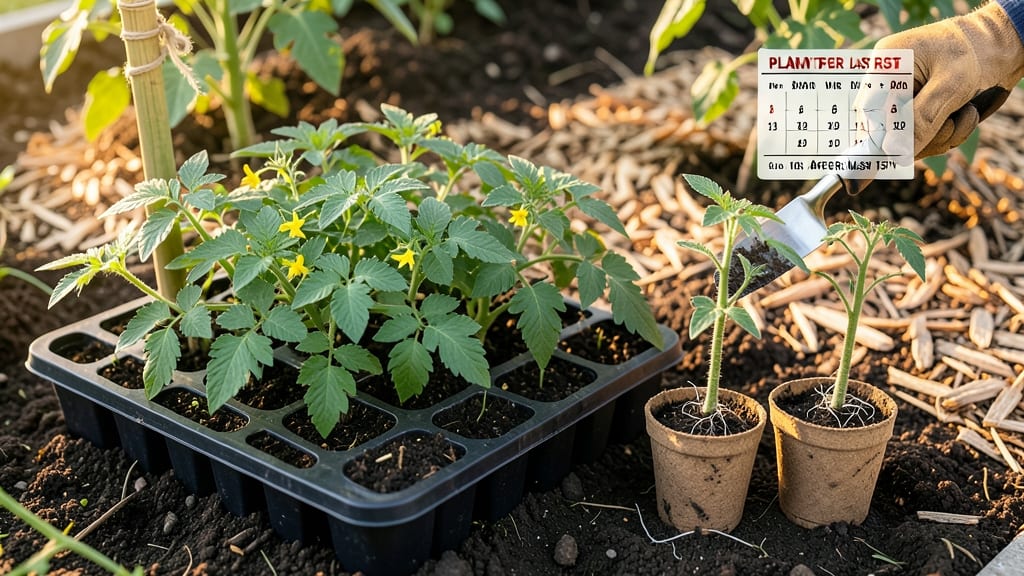
When can you plant tomatoes in Massachusetts? Timing your tomato planting in Massachusetts can make or break your harvest—especially when frost dates shift unpredictably from Boston to the Berkshires.
With USDA Zone 6a conditions, getting those seeds in the ground too early risks frost damage, while waiting too long cuts your growing season short.
Most gardeners in Massachusetts aim to plant 🍅 tomatoes between mid-April and early June, but the real secret lies in soil temperature and microclimates. Coastal areas like Cape Cod warm faster than inland spots, giving you a 2-week head start compared to western Massachusetts.
Let’s break down the exact windows for your region.
Whether you’re transplanting seedlings or sowing directly, understanding these nuances helps you avoid common mistakes like stunted growth or early blight. I’ll show you how to adjust for containers, extend your season with row covers, and pick the best varieties for your local frost patterns.
By the end, you’ll know exactly when to plant for a July-to-October harvest, even in Massachusetts’ short growing season. Ready to turn your garden into a tomato powerhouse?
Massachusetts frost-free dates by region: when to plant tomatoes safely
Massachusetts' diverse geography means your last frost date could vary by 2-3 weeks depending on where you live. Coastal areas like Barnstable County often see frost-free conditions by April 15, while inland regions like Franklin County may wait until May 10.
These differences directly impact when you can safely plant your tomato seedlings or direct sow seeds.
For tomatoes, the soil temperature matters just as much as air temperature. Tomatoes thrive when soil reaches 60°F (15°C). In most of Massachusetts, this typically aligns with 2-3 weeks after the average last frost date. Using a soil thermometer is my best tip—don’t rely solely on calendar dates.
Here’s how the frost-free windows break down across Massachusetts’ key regions, including heat zone considerations for tomato growth:
| Region | Avg. Last Frost | Safe Planting Window | Soil Temp. Goal | Notes |
|---|---|---|---|---|
| Coastal (Barnstable, Nantucket) | April 15 | April 25 - May 5 | 60°F (15°C) | Warmer microclimates; start early! |
| Eastern MA (Boston, Worcester) | May 1 | May 10 - May 20 | 60°F (15°C) | Urban heat islands may warm soil faster. |
| Western MA (Pittsfield, Springfield) | May 10 | May 20 - May 30 | 60°F (15°C) | Cooler nights; use row covers. |
| Northwest MA (Greenfield, Amherst) | May 15 | May 25 - June 5 | 60°F (15°C) | Shortest growing season; choose fast varieties. |
If you’re planting tomato seeds indoors, start them 6-8 weeks before your region’s last frost date. For example, coastal gardeners can begin in early March, while those in western Massachusetts should wait until late March.
Use grow lights to supplement natural light—tomato seedlings need 14-16 hours of light daily to avoid leggy growth.
For container gardening, soil warms up faster in pots, so you can plant 1-2 weeks earlier than in-ground plants. However, containers also dry out quicker, so monitor moisture levels closely during Massachusetts’ unpredictable spring weather. Black pots absorb more heat, while white pots reflect it—choose based on your microclimate.
Pro tip: Check the National Weather Service’s local frost advisories or use Almanac.com’s frost calculator for your specific ZIP code. I’ve used these tools for years, and they’ve saved my tomato plants from unexpected late frosts.
Even if the calendar says it’s safe, a frost watch can delay planting by a week or more.
Remember, Massachusetts’ first frost typically arrives around October 15, but some years it comes as early as September 20. This short growing season is why succession planting and season-extending tools become your best friends.
Plan to harvest your tomatoes before the first frost—or use row covers to protect plants into early November.
One common mistake I see is planting too early. Tomatoes won’t germinate below 50°F (10°C), and cold soil can stunt their growth. If you’re unsure, err on the side of waiting. A healthy, slightly delayed tomato plant will outperform a stressed one planted too soon.
🌱 For extra peace of mind, I recommend planting a test row of fast-maturing varieties like ‘Early Girl’ or ‘Stupice’ a week before your target date. This gives you real-world confirmation that your soil is warm enough for the main crop.
Best tomato varieties for Massachusetts planting zones and their ideal timing
Choosing the right tomato varieties for Massachusetts is key to beating the state’s short growing season. Early-season types like ‘Early Girl’ mature in 60-65 days, while late-season ‘Brandywine’ takes 85+ days. Your location—whether coastal, inland, or western MA—dictates which varieties thrive best.
Coastal areas with warmer microclimates (like Cape Cod) can handle heat-sensitive varieties like ‘Sungold’ cherry tomatoes, which ripen in 60 days. Inland regions benefit from cold-tolerant picks like ‘Stupice’, a heirloom variety that handles 50°F soil better than most.
Here’s how to match varieties to your planting window and frost zone:
| Variety | Days to Maturity | Best Planting Window | Notes |
|---|---|---|---|
| ‘Early Girl’ | 60-65 days | Mid-April to May 15 | Best for early harvests; heat-tolerant |
| ‘Stupice’ | 70-75 days | Late April to May 1 | Cold-resistant; great for inland zones |
| ‘Sungold’ | 60 days | Late May to June 1 | Heat-loving; ideal for coastal areas |
| ‘Brandywine’ | 85+ days | Early May (start indoors) | Heirloom; needs long season |
| ‘Mountain Merit’ | 70 days | Mid-April to May 10 | Disease-resistant; versatile for all zones |
For container gardening, opt for compact varieties like ‘Tiny Tim’ (50 days) or ‘Patio’ (65 days). These thrive in 5-gallon pots and can be moved to warmer spots if frost threatens.
If you’re direct-sowing seeds, start ‘Cherry’ or ‘Roma’ types indoors 6-8 weeks before your last frost date. This gives them a 2-week head start over transplants.
Pro tip: Pair early varieties with late-season picks for a staggered harvest. For example, plant ‘Early Girl’ in April and ‘Brandywine’ in May to enjoy tomatoes from July through September.