
Companion Plants
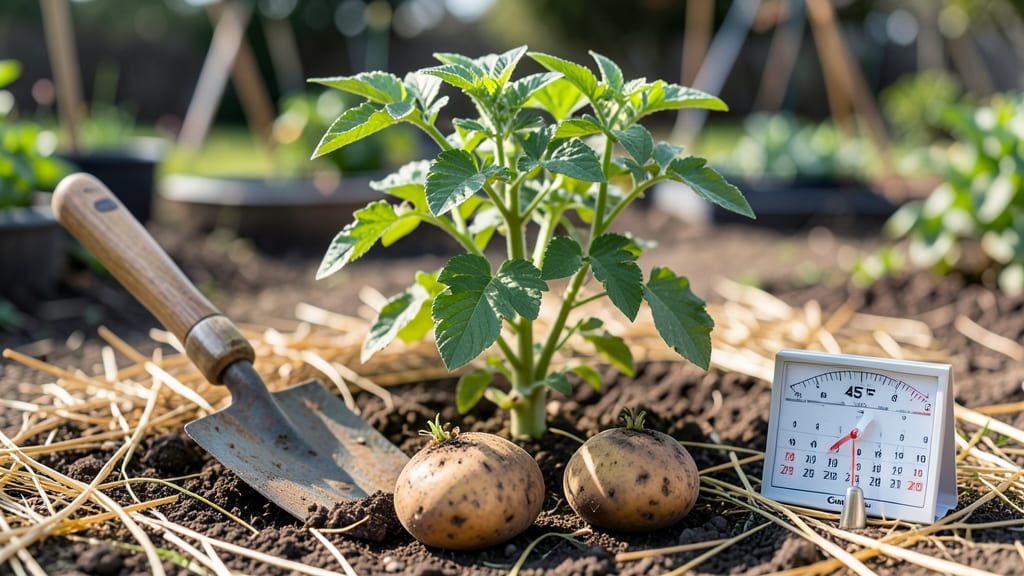
Planting potatoes at the wrong time in Zone 5 can mean the difference between a bountiful harvest and wasted effort—so timing is everything. With 🥔 varieties that need precise conditions, getting the weeks before last frost just right ensures your spuds thrive, not just survive.
Most gardeners in Zone 5 rush to plant as soon as soil is workable, but that’s not always the best move. The key is waiting until soil temperatures hit 45-50°F—cold soil slows sprouting and invites rot.
I’ll show you exactly when to plant based on your potato type and how to adjust for unpredictable spring weather.
Early varieties like Yukon Gold can go in 4-6 weeks before last frost, while late varieties need warmer soil closer to that date. Miss the window? Don’t panic—I’ll cover backup strategies like succession planting or container gardening to salvage your season.
Let’s break down the exact timeline, soil checks, and pro tips to turn your Zone 5 garden into a potato powerhouse. Ready to dig in?
Zone 5 potato planting timeline: exact weeks before last frost by variety type
Timing your potato planting in Zone 5 isn't just about guessing—it's about matching your variety type with precise weeks before last frost.
Early varieties like Red Norland thrive when planted 4-6 weeks before your average last frost, while late varieties such as Purple Peruvian need warmer soil and should go in 2-3 weeks before frost. The key? Soil temperature—potatoes need 45-55°F to sprout consistently.
Zone 5 gardeners often face unpredictable springs, making flexibility critical. If your soil stays cold beyond expectations, opt for cold-hardy varieties like Yukon Gold or delay planting until soil warms.
The difference between a 70-day harvest and a 130-day wait depends entirely on when you plant and which variety you choose.
For Zone 5 gardeners, understanding these windows means avoiding two common mistakes: planting too early (risking frost damage) or too late (cutting harvest time short). Early varieties like Yukon Gold can handle cooler soils, while late varieties need warmer conditions to develop properly.
Use a soil thermometer to confirm temperatures before planting—this small tool can save your entire crop.
Pro tip: If your last frost date is April 15 (common in Zone 5), aim to plant early varieties by mid-March. Mid-season types should go in by early April, and late varieties by late April.
Adjust these dates based on your microclimate—sheltered areas can be planted 1-2 weeks earlier.
Another critical factor is harvest timing. Early varieties like Red Norland mature in just 70-90 days, meaning they’re ready by late June to early July if planted in March.
Late varieties like Purple Peruvian take 110-130 days, pushing harvests to late August or September. Plan your garden layout to stagger planting and ensure a continuous harvest.
Don’t overlook soil preparation—potatoes thrive in loose, well-draining soil with a pH of 5.0-6.5. Amend heavy clay or sandy soil with compost or aged manure before planting. This step is non-negotiable for preventing rot or stunted growth, especially in Zone 5’s variable climate.
For visual learners, imagine a timeline: Early varieties sprout quickly in cool soil, mid-season types balance growth and harvest, and late varieties reward patience with larger tubers.
Each category has its place in a Zone 5 garden, and choosing wisely ensures you’re not left with underdeveloped potatoes or missed harvest windows.
Finally, consider succession planting for mid and late varieties. By planting every 2-3 weeks after your initial batch, you can extend your harvest into fall. This strategy works especially well in Zone 5, where frost arrives early—it maximizes yield and minimizes waste.
With these timing guidelines, you’ll transform guesswork into a predictable, bountiful harvest. The difference between a 50-pound bag and a 10-pound yield often comes down to planting at the right time—so mark your calendar and get ready to dig in!
Zone 5 potato planting timeline: exact weeks before last frost by variety type
Timing your potato planting in Zone 5 isn’t just about waiting for spring—it’s about matching your variety to the 4-6 weeks before last frost window. Early varieties like Yukon Gold thrive in cooler soils, while late varieties need warmer conditions closer to frost dates.
The difference? A harvest of bountiful spuds versus stunted growth.
Your last frost date (typically around April 15 in Zone 5) is your anchor. Count backward based on your potato type: early varieties go in 6 weeks before frost, mid-season varieties 4 weeks out, and late varieties just 2-3 weeks before.
Soil temperature must hit 45-55°F—cold soil delays sprouting and invites rot.
| Variety Type | Planting Window (Weeks Before Last Frost) | Soil Temperature Requirement | Days to Maturity | Key Notes |
|---|---|---|---|---|
| Early (e.g., Red Norland, Yukon Gold) | 4-6 weeks | 45-50°F | 70-90 days | Plant in cool soil; ideal for spring harvests |
| Mid-Season (e.g., Kennebec, Russet) | 3-4 weeks | 48-52°F | 90-110 days | Balanced for summer harvests |
| Late (e.g., Fingerlings, Purple Peruvian) | 2-3 weeks | 50-55°F | 110-130 days | Requires warmer soil; store well |
For example, if your last frost is April 15, early varieties like Yukon Gold should go in by March 1-15. Mid-season Russets wait until March 22-April 1, and late Fingerlings can start as late as April 1-8.
Use a soil thermometer to confirm—cold soil (below 45°F) will stall germination.
Pro tip: Chit your seed potatoes (sprout them indoors in sunlight) 4-6 weeks before planting. This gives them a head start and ensures faster emergence once soil warms. Place them in a bright, cool spot (around 50°F) with the sprouted end up.
Remember, Zone 5’s unpredictable springs can throw off your timeline. If frost lingers, opt for cold-hardy varieties like Chieftain or Kennebec, which tolerate cooler soils better than delicate Fingerlings. Adjust your planting window by 1-2 weeks if your microclimate runs colder.