
Plants
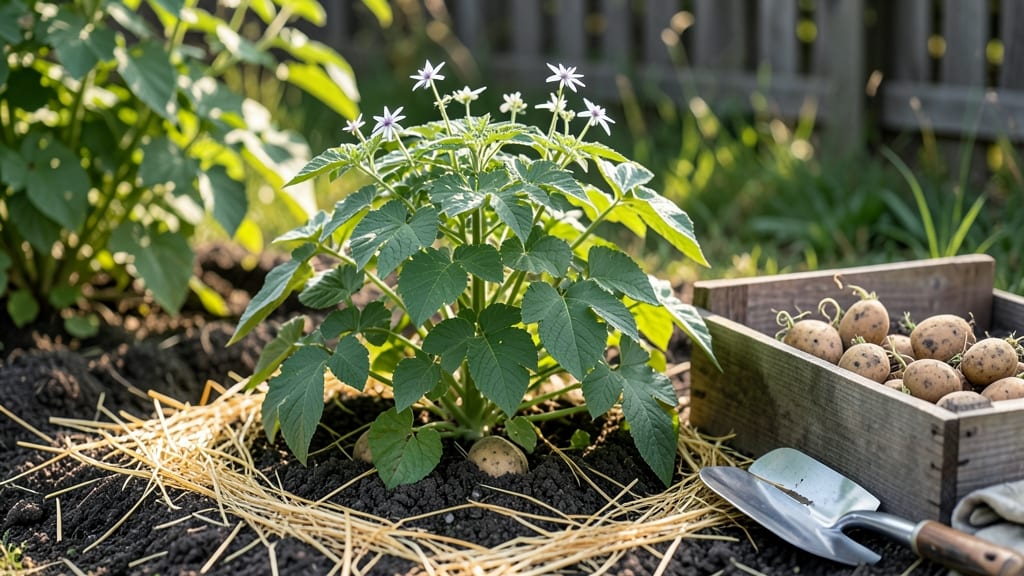
If you've ever wondered when you can plant potatoes in Georgia, timing is the key to avoiding frost damage and maximizing your harvest. Georgia's unique climate—with its mild winters and long growing season—gives gardeners a 6-week window to get potatoes in the ground for zero-frost success.
But miss that window by even a few days, and you might end up with stunted tubers or a crop ruined by late spring frosts.
For most of Georgia, the ideal planting time starts in late February to early March in the southern regions, while northern areas should wait until mid-March to early April. This difference matters because soil temperature and frost risk vary dramatically between Savannah and Atlanta.
Planting too early in cooler zones can lead to slow germination, while waiting too long in warmer areas might expose your crop to summer heat stress.
I'll break down the exact months for early, mid-season, and late potato varieties—plus how to adjust for Georgia's microclimates. Whether you're growing cold-hardy Yukon Golds or heat-tolerant Red LaSodas, knowing these details means the difference between a bumper crop and a disappointing harvest.
Let's dive into the science behind perfect timing for your 🥔 patch.
You'll also discover how to spot common timing mistakes—like stunted sprouts or blossom-end rot—and how to recover if you miss the optimal window. With these strategies, you'll be planting with confidence, no matter where in Georgia you call home.
Georgia potato planting calendar: exact months by variety for zero-frost success
Georgia’s USDA Zones 7b-8a offer a 120-150 day growing season, perfect for potatoes—but timing depends on your variety and last frost date. Most of Georgia sees its average last frost between March 15 and April 15, but mountain regions (like Blairsville) can wait until April 30.
Coastal areas (Savannah) often plant 2-3 weeks earlier due to milder winters.
Potatoes thrive when soil reaches 45°F (7°C), but ideal planting temps are 50-60°F (10-15°C). Cold soil slows sprouting, while soil warmer than 70°F (21°C) can cause scab disease. Use a soil thermometer to check—plant when temps stabilize in your zone.
Here’s your Georgia potato planting calendar, broken down by variety type and microclimate. Early varieties (60-75 days) can handle cooler soils, while late varieties (90-120 days) need warmer temps to mature before frost.
| Variety Type | Days to Maturity | Optimal Planting Window | Soil Temp Requirement | Notes |
|---|---|---|---|---|
| Early Varieties (e.g., 'Red Pontiac', 'Yukon Gold') | 60-75 days | Mid-March to early April (Coastal) Late March to mid-April (Piedmont) April 15-30 (Mountains) |
45-55°F (7-13°C) | Cold-hardy; plant 2-3 weeks before last frost. |
| Mid-Season Varieties (e.g., 'Kennebec', 'Russet') | 75-90 days | Early April to mid-May (All regions) | 50-60°F (10-15°C) | Best for bulk harvest; avoid planting after May 1. |
| Late Varieties (e.g., 'Red LaSoda', 'Purple Viking') | 90-120 days | Mid-April to early June (Coastal) Late April to mid-May (Piedmont) Avoid after May 15 (Mountains) |
55-65°F (13-18°C) | Heat-tolerant; ideal for fall harvests. |
| New Potatoes (e.g., 'Fingerlings', 'Adirondack Blue') | 50-60 days | Late February to March (Coastal) March to early April (Piedmont) April (Mountains) |
40-50°F (4-10°C) | Harvest young for tender spuds; great for containers. |
For Coastal Georgia (Savannah, Brunswick), aim to plant early varieties by March 1 and late varieties by May 1. The humid climate increases disease risk, so use resistant varieties like 'Red LaSoda' and space plants 12 inches apart for airflow.
In the Piedmont region (Athens, Macon), where soil warms faster, shift planting to mid-March for early varieties and late April for mid-season types. Avoid planting after May 15—summer heat can stress potatoes, leading to blossom-end rot or hollow heart.
North Georgia’s mountain regions (Blue Ridge, Dahlonega) have later frost dates and cooler soils. Plant early varieties no earlier than April 15 and stick to cold-hardy types like 'Yukon Gold'. Use black plastic mulch to warm soil 5-10°F faster.
Georgia’s long growing season also allows for a second planting in late summer for fall harvests. Choose fast-maturing varieties (60-
How to adjust planting times for Georgia’s microclimates: coastal vs. Piedmont vs. mountain regions
Georgia’s diverse geography means your planting schedule should change dramatically depending on whether you’re in the humid Coastal Plain, the rolling Piedmont, or the cool mountain regions. These microclimates experience different frost risks, soil temperatures, and growing seasons—sometimes just 50 miles apart.
For example, Savannah’s last frost typically occurs by mid-February, while Atlanta might see frost as late as mid-April, and the Blue Ridge Mountains can have late frosts until May.
Understanding these differences helps you avoid common mistakes like planting Yukon Golds too early in the mountains or Red LaSodas too late in coastal areas.
Each region also has unique challenges: coastal areas battle high humidity and fungal diseases, while mountain regions struggle with shorter growing seasons and cooler soils. Let’s break down the adjustments you need to make for each zone to maximize your potato harvest.
🌱
In the Coastal Plain, you can start planting as early as late February for varieties like Red LaSoda, which thrives in warmer soils. However, be prepared to use row covers if an unexpected frost hits, as coastal areas can still experience light freezes.
The key here is to plant heat-tolerant varieties that won’t bolt in the summer heat.
For the Piedmont region, where frost dates are more unpredictable, I recommend waiting until mid-March to plant early varieties like Kennebec. This gives the soil time to warm up and reduces the risk of rot from cold, wet conditions.
If you’re in a higher elevation within the Piedmont, like the foothills near Dahlonega, push planting back to early April to avoid frost damage.
In the mountain regions, where frost can linger until late May, focus on early-maturing varieties like Adirondack Red. Plant in late April to ensure your potatoes have enough time to mature before the first frost.
Use black plastic mulch to warm the soil faster and extend your growing season. These areas also benefit from container gardening, which allows you to move plants to a sheltered spot if frost threatens.
🌿