
Companion Plants
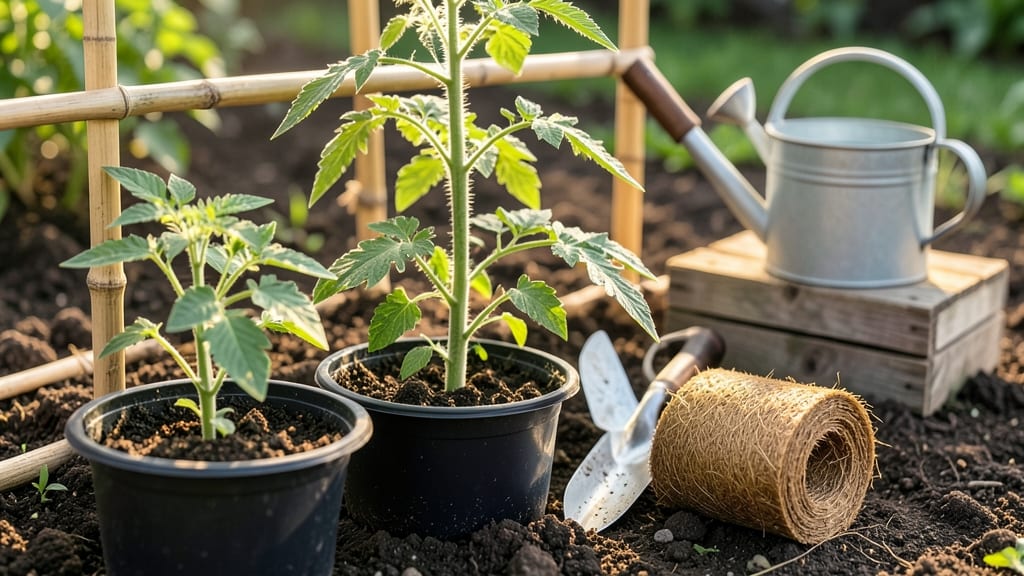
Timing when can I plant tomatoes in Florida isn’t just about the calendar—it’s about beating frost risks, soil heat, and regional quirks that can make or break your harvest.
Whether you're in the Panhandle’s cooler zones or Miami’s year-round warmth, planting too early or late means struggling with stunted growth, disease, or even losing your plants entirely.
Most gardeners assume Florida’s long growing season means tomatoes can go in anytime, but that’s a recipe for disappointment. The key is understanding your microclimate: North Florida’s last frost can hit as late as January, while South Florida rarely sees frost at all.
That means your perfect planting window could be February in Tallahassee but April in Orlando—or even January in the Keys.
In this guide, I’ll break down the exact planting windows for Florida’s five microclimates, so you can start your tomatoes when soil temps are just right—no guesswork.
You’ll also discover how to stretch your season with heat-tolerant varieties and simple tricks to protect your plants from Florida’s unpredictable weather, whether it’s a sudden cold snap or scorching summer sun.
Ready to grow juicier, more abundant tomatoes with zero frost worries? Let’s dive into the most efficient way to time your plantings for a bumper crop—no matter where you are in the Sunshine State.
Florida’s 5 microclimates: when to plant tomatoes by region (avoid frost zones 8-10 mistakes)
Florida’s diverse microclimates mean tomato planting times vary wildly from North Florida’s Panhandle to Miami’s frost-free zone. The average last frost date shifts from January 15 in Tallahassee to never in Key West, creating a 365-day growing potential in some regions.
Understanding these 5 key zones will help you avoid cold damage or heat stress while maximizing your harvest.
Even within Central Florida, Orlando’s urban heat islands can be 10°F warmer than rural areas just 20 miles away. Coastal regions like Tampa Bay experience moderating ocean breezes, while the Highlands region faces higher elevation challenges.
Let’s break down the optimal planting windows for each zone, including soil temperature triggers and variety recommendations to ensure success.
| Region | Last Frost Date | Best Planting Months | Soil Temp Trigger (°F) | Top Varieties |
|---|---|---|---|---|
| North Florida (Panhandle) | Jan 15 - Feb 15 | Feb 20 - Mar 15 (early) / Apr 15 - May 1 (main) | 60°F+ | 'Florida 47', 'Celebrity', 'Mountain Merit' |
| Central Florida (Orlando/Tampa) | Dec 1 - Jan 10 | Feb 1 - Mar 15 / Apr 1 - May 10 | 65°F+ | 'Sunny', 'Better Boy', 'Early Girl' |
| South Florida (Miami/Fort Lauderdale) | None (Zone 11) | Jan 15 - Feb 15 / Aug 15 - Sep 30 | 70°F+ | 'Heatmaster', 'Solar Fire', 'Cherokee Purple' |
| Gulf Coast (Pensacola/St. Pete) | Jan 20 - Feb 5 | Feb 20 - Mar 10 / Apr 15 - May 1 | 62°F+ | 'Arkansas Traveler', 'Brandywine', 'Sweet Million' |
| Highlands Region (Lake Placid) | Dec 15 - Jan 5 | Feb 10 - Mar 1 / Apr 10 - Apr 25 | 63°F+ | 'Cherokee Purple', 'Stupice', 'Black Krim' |
For North Florida gardeners, the February 20 - March 15 window is critical for early varieties like ‘Florida 47’, which can tolerate cooler soils down to 55°F.
However, planting before soil temperatures hit 60°F risks blossom end rot and fungal diseases. Use a soil thermometer to verify—60°F+ is non-negotiable for healthy root development.
In Central Florida, where urban heat islands can push microclimate temperatures 5-10°F higher than rural areas, March planting
Tomato planting calendar: month-by-month success for Florida’s two growing seasons
Florida’s two distinct tomato growing seasons—fall/winter and spring/summer—require different strategies. Fall plantings (October–March) thrive in cooler temperatures, while spring/summer plantings (April–September) demand heat tolerance. Understanding these windows prevents blight, bolting, or poor fruit set.
For fall/winter plantings, start seeds indoors by late July or buy transplants in August. Transplant outdoors between September 15 and October 15 in North Florida, or October 1–November 15 in Central/South Florida. Harvest before December 15 in North Florida to avoid frost.
Spring/summer plantings begin with seeds indoors by February 1 or transplants purchased in March. Harden off seedlings and transplant outdoors between April 15 and May 15, ensuring soil temps hit 60°F+. This season offers 60–90 days of harvests before summer’s heat stresses plants.
| Season | Planting Window | Key Tasks | Harvest Window |
|---|---|---|---|
| Fall/Winter | Seeds: Late July Transplants: Aug–Oct |
Transplant after soil warms Mulch for frost protection Prune for air flow |
Oct–Dec (North FL) Nov–Jan (South FL) |
| Spring/Summer | Seeds: Feb Transplants: Mar–Apr |
Wait for 60°F soil Use shade cloth in summer Stake for support |
May–Sep (North FL) Apr–Oct (South FL) |
⚠️ Note: South Florida can plant year-round with heat-tolerant varieties.
Succession planting every 2–3 weeks after initial transplanting extends harvests. For example, plant a second batch in late May for a July–September harvest, avoiding summer’s peak heat. In North Florida, prioritize early-maturing varieties (60–70 days) like ‘Celebrity’ or ‘Florida 47’ to finish before frost.
Florida’s summer rains demand proper drainage. Use raised beds or containers if your soil stays soggy. Drip irrigation with morning watering prevents fungal diseases like early blight, which thrives in wet foliage. Mulch with straw or black plastic to retain moisture and regulate soil temps.
Timing is everything—plant too early in North Florida, and blight ruins your crop; plant too late in South Florida, and summer’s heat causes sunscald. Master these windows, and you’ll enjoy homegrown tomatoes from October to September! 🌱