
Companion Plants
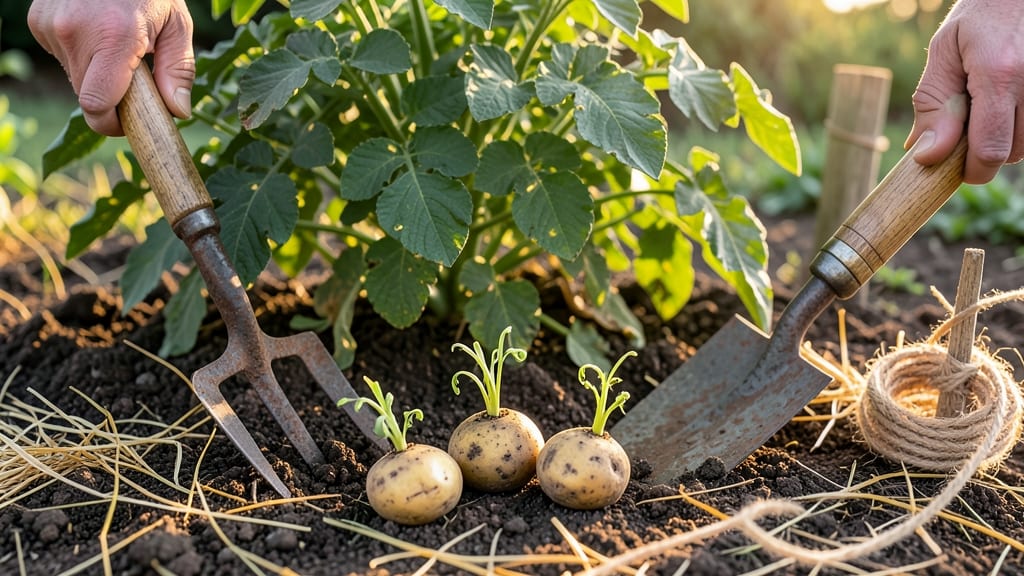
If you're asking "when can I plant potatoes in Ohio", the answer depends on beating frost while giving your 🥔 time to thrive before summer heat sets in. Ohio's unpredictable spring weather means getting the timing right is the difference between a bountiful harvest and wasted effort.
Most Ohio gardeners plant potatoes as soon as the soil reaches 45°F and can be worked without sticking to your shovel. That typically means 2-4 weeks before your last expected frost date, usually between late March and early April in most regions.
But don't wait too long - planting after mid-April risks stunted growth before harvest season.
For maximum yields, I recommend starting with early-maturing varieties if you're in northern Ohio, where springs tend to be cooler. Southern Ohio gardeners have a slightly longer window, but all regions benefit from planting when soil temperatures consistently stay above 50°F at a depth of 4 inches.
Once planted, proper care like hilling soil and consistent watering becomes crucial. Let me show you exactly how to time your planting for Ohio's climate and keep your potatoes growing strong until harvest time.
Ohio’s last frost dates and ideal planting windows by region
Ohio’s last spring frost dates vary dramatically—from late April in southern regions like Cincinnati to mid-May in the Appalachian highlands. This variation means your potato planting window shifts by 3-4 weeks depending on where you live.
For early-season varieties like 'Red Norland,' aim to plant 2-3 weeks before your last frost date, while late-season types such as 'Kennebec' need 4-6 weeks of warm soil before summer’s heat sets in.
Northern Ohio (USDA zones 5-6) typically sees its last frost around May 10-15, so start seed potatoes in early April under frost protection.
Central Ohio (zones 6-7) can begin planting March 20-April 5, while southern Ohio (zones 7-8) enjoys an earlier start—February 20-March 15—thanks to milder winters. Appalachian regions often face delayed planting due to higher elevations, with ideal dates shifting to late April-early May.
| Region | Avg. Last Frost | Early Varieties | Mid Varieties | Late Varieties |
|---|---|---|---|---|
| Northern Ohio | May 10-15 | April 5-15 | April 20-May 5 | May 1-15 |
| Central Ohio | April 25-May 10 | March 20-April 5 | April 1-15 | April 20-May 5 |
| Southern Ohio | April 10-20 | February 20-March 15 | March 15-April 5 | March 30-April 20 |
| Appalachian | May 1-10 | April 10-25 | April 25-May 5 | May 5-20 |
Soil temperature is just as critical as frost dates. Potatoes thrive when soil reaches 45°F (7°C), but ideal planting conditions occur at 50-60°F (10-15°C). Use a soil thermometer to verify—cold soil slows germination and invites rot.
In northern Ohio, this often means waiting until mid-April, while southern Ohio can start as early as late February in protected beds.
For early harvests, prioritize short-season varieties like 'Early Rose' (60-70 days) and plant them as soon as soil is workable. These varieties tolerate cooler soils and deliver new potatoes in 2 months, perfect for Ohio’s short growing season.
In contrast, storage potatoes such as 'Russet Burbank' need 90-110 days and should be planted no later than early May in northern zones.
Ohio’s first frost typically arrives in October, but some years bring early frosts by mid-September in highland areas. To extend your harvest, choose late-maturing varieties and plant them in early June for a fall crop.
This "second planting" strategy works best in southern Ohio, where summers are longer and hotter.
Pro tip: Mark your calendar for Ohio State University’s frost date maps, updated annually. These tools account for microclimates—like urban heat islands in Columbus or lake-effect cooling near Toledo—and help you fine-tune your schedule. Pair this with a garden journal to track your local patterns over years.
Remember, potatoes hate cold soil. If your region experiences late frosts (common in Ohio’s valley zones), opt for black plastic mulch to warm the soil 2-3 weeks faster than bare earth. This simple hack can shave critical weeks off your planting timeline.
Finally, don’t rush—planting too early in cold soil leads to damping-off disease and rotting tubers. Wait for consistent 50°F+ soil temps and you’ll set your crop up for maximum yield in Ohio’s unpredictable climate.
How to adjust planting for Ohio’s unpredictable spring weather
Ohio’s spring weather is famously unpredictable—one day you’re shoveling snow, and the next, you’re sweating in a T-shirt. For potatoes, this means late frosts can still hit after your ideal planting window, while unseasonably warm spells might trick you into planting too early.
To protect your investment, I always use a two-step approach: first, test soil temperature, and second, have a backup planting plan.
Most Ohio gardeners should aim to plant when soil reaches 50°F at 4 inches deep, but if temperatures fluctuate, wait until it’s consistently above 55°F for three days.
Here’s my foolproof method: Plant your first batch of seed potatoes when soil hits 45°F, then cover them with frost cloth if nighttime temps drop below 32°F. This gives you a 14-21 day head start while protecting tender sprouts.
🚨 CRITICAL: If you’re in northern Ohio (USDA zones 5-6), don’t rush—wait until after May 1 to avoid frost damage. Southern Ohio (zones 6-7) can plant as early as mid-March, but monitor forecasts for late frosts.
Ohio’s last frost dates vary by 2-3 weeks across the state. Use these backup dates if spring is slow:
- Northern Ohio: Plant no earlier than April 15
- Central Ohio: Aim for April 1 with frost cloth
- Southern Ohio: Start by March 15 for early varieties
Pro tip: Black plastic mulch warms soil 5-10°F faster than bare earth.
For extra insurance, I always keep a second batch of seed potatoes ready to plant by May 10, regardless of region. This ensures you’ll have a harvest even if spring drags on. Pair this with well-draining soil and consistent moisture, and you’ll beat Ohio’s weather every time.
Once planted, focus on hilling soil every 2-3 weeks to protect tubers from sunlight (which turns them green and toxic). Mulch with straw or grass clippings to maintain even soil temps and reduce watering needs.
Remember: Potatoes grow best in cool weather—if summer heat arrives early, prioritize harvesting new potatoes (smaller tubers) to avoid bitter flavors. With these adjustments, you’ll turn Ohio’s erratic spring into your advantage.