
Flowers
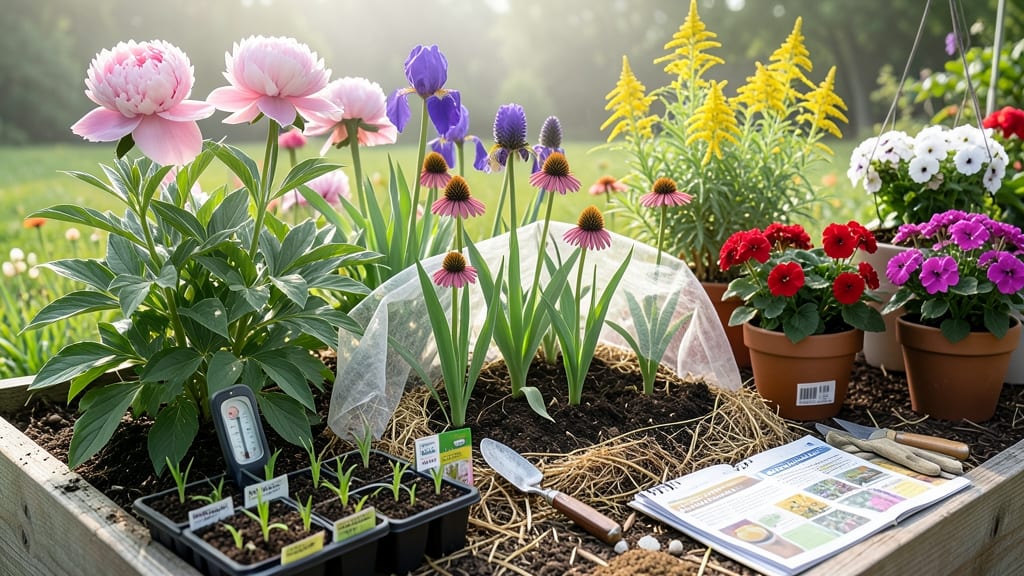
If you’ve ever stared at your calendar in April, wondering when you can plant flowers in Michigan without risking a surprise frost, you’re not alone.
Michigan’s 5b-6b zones mean your garden’s success hinges on timing—plant too early, and a late frost can wipe out your blooms; too late, and you miss the growing season entirely.
Here’s the good news: with the right strategy, you can enjoy vibrant 🌸 flowers from spring to fall. Whether you’re sowing hardy perennials in early spring or tender annuals in late summer, knowing your frost dates and regional quirks is the key.
Let’s break down the exact windows for planting in Michigan’s unpredictable climate.
From the Upper Peninsula’s cooler Zone 5b to the Lower Peninsula’s slightly warmer Zone 6b, frost-free dates shift by weeks. I’ll show you how to use the 10-day rule—a gardener’s secret to avoiding frost damage—plus the best flower varieties for each season.
Ready to transform your yard into a year-round bloom parade? Let’s dive into the science-backed planting schedule that’ll keep your Michigan garden thriving, no matter what Mother Nature throws your way.
Michigan’s planting zones and frost-free dates by month
Michigan spans USDA Hardiness Zones 4-6, meaning frost dates vary dramatically between the Upper Peninsula (Zone 4) and Lower Peninsula (Zones 5-6). The average last frost date ranges from late April in southern Michigan to early June in the north.
To avoid frost damage, I recommend waiting 10 days after the last frost before planting tender flowers.
For example, in Detroit (Zone 6), the last frost typically occurs around April 15, while in Traverse City (Zone 5), it’s closer to May 1.
The Upper Peninsula’s Marquette (Zone 4) often sees frost until May 15. Always check local forecasts—late frosts can still hit in May!
Pro Tip: Use the 10-day rule for frost-sensitive flowers like petunias or marigolds. For hardy varieties like pansies or snapdragons, you can plant as early as March in southern Michigan under row covers.
Michigan’s first frost usually arrives between October 15 (southern) and October 1 (northern). This gives you a 165-day frost-free window in most areas—perfect for annuals and fast-growing perennials.
| Region | USDA Zone | Avg. Last Frost | Safe Planting Window | First Frost |
|---|---|---|---|---|
| Southern MI (Detroit, Ann Arbor) | 6a-6b | April 15 | May 1 - May 15 | October 15 |
| Central MI (Lansing, Grand Rapids) | 5b-6a | April 25 | May 5 - May 20 | October 10 |
| Northern MI (Traverse City, Petoskey) | 5a-5b | May 1 | May 10 - May 25 | October 5 |
| Upper Peninsula (Marquette, Houghton) | 4a-4b | May 15 | May 25 - June 5 | September 25 |
If you’re unsure about your exact last frost date, I recommend using the Michigan State University Extension’s frost date map. It’s updated annually and accounts for microclimates (like urban heat islands or lake-effect cooling).
For example, areas near Lake Michigan often have 1-2 weeks later frost dates than inland regions.
Cold-hardy flowers like pansies, sweet alyssum, and calendula can handle light frosts and can be planted as early as March in southern Michigan. These cool-season bloomers thrive in 50°F temperatures and even add color to early spring gardens.
For fall planting, aim to get seeds or transplants in the ground by August 1 in southern Michigan and by July 15 in the north. This gives flowers time to establish roots before winter. Marigolds, zinnias, and cosmos are excellent choices for late-season color.
Always test your soil’s drainage and pH before planting—Michigan’s heavy clay soil can cause root rot if not amended with compost or sand. A simple soil test kit (available at garden centers) will tell you if your soil is too acidic or compacted.
Remember: Weather is unpredictable, so keep a row cover or cold frame handy for late frosts. Even if the forecast looks warm, a sudden cold snap can wipe out tender seedlings overnight.
Best flower types to plant by season in Michigan gardens
Michigan’s variable climate means your flower choices should shift with the seasons. Spring-bloomers like pansies and tulips thrive in cool soil, while summer annuals such as zinnias and marigolds need warmer temperatures to flourish.
I’ve organized the best flowers by planting season to help you create a year-round bloom parade without frost-related setbacks.
For early spring planting (March–April), focus on cold-hardy perennials and cool-season annuals that tolerate light frosts. These include pansies, sweet alyssum, and snapdragons, which can handle Michigan’s Zone 5b–6b temperatures. Plant them 4–6 weeks before your last frost date (typically late April) for early color.
For late summer/fall planting (August–September), opt for cool-season annuals like pansies and asters, which bloom beautifully until first frost (mid-October). These hardy varieties can even survive light frosts, giving you extended color into winter. Plant them 6–8 weeks before your first frost date for optimal growth.
If you’re itching to add color to your garden year-round, perennials are your best bet. Plants like coneflowers, black-eyed Susans, and daylilies establish roots in spring and rebloom annually with minimal effort. For instant impact, pair them with annuals like zinnias or marigolds for seasonal pops of color.
Pro tip: Use succession planting to keep your garden blooming continuously. For example, sow zinnias every 2 weeks in June and July to ensure a steady supply of bright summer blooms until frost. This technique works especially well in Michigan’s shorter growing season.
Remember, soil temperature matters as much as air temperature. Use a soil thermometer to confirm that soil has warmed to at least 50°F (10°C) before planting warm-season flowers. This simple step can save your marigolds and zinnias from rotting in cold soil.
With this seasonal guide, you’ll never again wonder when to plant flowers in Michigan. Whether you’re a beginner gardener or a seasoned pro, these timing tips will help you cultivate a stunning, low-stress garden that blooms from spring to fall. Happy planting!