
How To
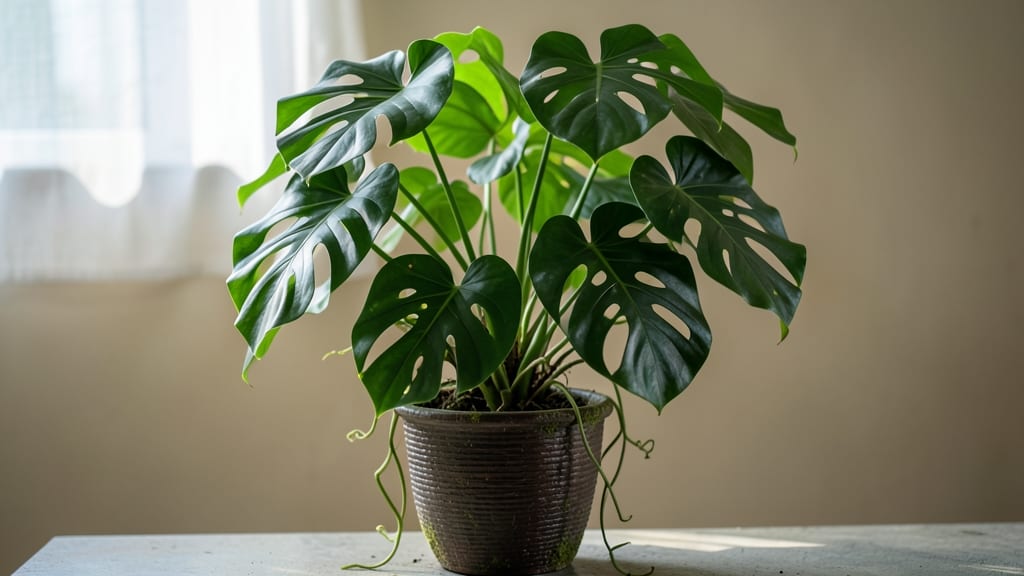
That gorgeous Monstera plant with its iconic split leaves isn’t just a statement piece—it’s a light-sensitive diva, and figuring out how much light it needs is key to keeping it thriving.
Get the balance wrong, and you’ll watch its leaves shrink, yellow, or even burn instead of reaching their full potential. The good news? Finding the perfect light conditions is easier than you think, and I’ve got the exact formula to keep your plant happy year-round.
Most people assume Monsteras are low-maintenance, but the truth is, they crave bright indirect light—think of it as a tropical sunbathing session without the harsh rays.
Too little light, and your plant will stretch painfully toward the window; too much direct sun, and those stunning leaves will crisp at the edges. Let’s break down the ideal light hours and how to spot when your Monstera is begging for an adjustment.
Whether you’re dealing with a dim corner or a south-facing sun trap, I’ll show you how to position your plant for success—plus, the best artificial lighting tricks for those low-light spaces.
No guesswork, just lush, thriving growth every time. Ready to turn your Monstera into the star of your home?
From seasonal light shifts to troubleshooting common mistakes, this guide covers everything you need to know. Let’s get your plant the perfect glow—because nobody wants a sad, leggy Monstera when it could be a showstopper.
How many hours of light does a Monstera plant need daily?
A healthy Monstera deliciosa thrives with bright indirect light for 10-12 hours daily. This mimics its natural rainforest understory habitat, where dappled sunlight filters through the canopy. Too little light slows growth, while too much causes leaf burn—both extremes stunt your plant’s iconic fenestration (those coveted splits!).
Think of your Monstera’s light needs like a goldilocks zone: not too harsh, not too dim. South-facing windows can be too intense unless filtered through sheer curtains, while north-facing windows may provide insufficient brightness. Even artificial grow lights can supplement if natural light falls short.
For optimal results, position your plant 3-6 feet from an east or west-facing window. These orientations offer gentle morning or late afternoon sun without the harsh midday rays. If your home lacks ideal windows, don’t worry—we’ll cover low-light solutions later in this guide.
Here’s the key: Monstera leaves act as barometers. Dark green, glossy leaves with occasional fenestration mean your plant is happy. Pale, yellowing leaves or brown crispy edges? That’s your cue to adjust lighting immediately.
Seasonal changes also impact light exposure. During winter’s shorter days, your Monstera may need supplemental lighting to maintain its 10-12 hour goal. Conversely, summer’s longer daylight hours might require curtains or blinds to diffuse intensity.
Pro tip: Rotate your plant quarter-turn weekly to ensure even light exposure. This prevents lopsided growth and encourages bushier, fuller vines. Uneven light causes one side to stretch toward the source—a classic sign of etiolation.
| Light Requirement | Specification | Daily Duration |
|---|---|---|
| Bright Indirect Light | East/West windows, filtered south light | 10-12 hours |
| Low Light Tolerance | North windows, interior rooms | 4-6 hours (supplement needed) |
| Direct Sun Exposure | South windows without filters | Max 2-3 hours (risk of burn) |
| Artificial Grow Lights | LED or fluorescent, 6-12 inches away | 12-16 hours (for low-light spaces) |
Your Monstera’s growth rate directly correlates with light exposure. In ideal conditions, expect new leaves every 2-4 months, with mature plants developing those signature splits. Younger plants may take longer—patience is key! Track your plant’s progress by marking new leaves with a gentle toothpick in the pot’s edge.
If you notice stunted growth despite regular watering, the issue is likely light-related. Monstera plants in low light may grow only 1-2 inches per month, while those in optimal conditions can reach 6-12 inches monthly. The difference is striking—and worth the adjustment!
Remember: Quality over quantity matters more than total hours. A Monstera prefers consistent, gentle light over sporadic bright bursts. Use sheer curtains to diffuse harsh rays, and avoid placing your plant near HVAC vents or drafty areas, which can stress the foliage.
🌿
How many hours of light does a Monstera plant need daily?
A Monstera deliciosa thrives with 10-12 hours of bright indirect light daily, mimicking its natural rainforest understory habitat. This tropical beauty grows fastest when exposed to morning sun and filtered afternoon light, avoiding harsh midday rays that can scorch delicate leaves.
Think of it as needing dappled sunlight—like standing under a canopy of trees.
If your Monstera gets less than 6 hours of light, growth slows dramatically, and leaves may stay small with fewer fenestrations (those iconic splits). On the flip side, direct sunlight for more than 4 hours risks brown leaf tips and crispy edges.
The key is balance—bright but diffused light keeps your plant happy and reaching for the sky.
| Light Condition | Daily Hours | Leaf Development | Growth Rate |
|---|---|---|---|
| Low Light (<100 ft-c) | 2-4 hours | Small, dark green leaves | Slow |
| Bright Indirect (100-2000 ft-c) | 10-12 hours | Large, split leaves | Fast |
| Direct Sun (>2000 ft-c) | >4 hours | Brown patches, crispy edges | Stunted |
For indoor growers, position your Monstera near an east-facing window (gentle morning light) or west-facing window (softer afternoon light). South-facing windows work too, but use a sheer curtain to diffuse the intensity. Rotate your plant quarter-turn weekly to ensure even growth—this prevents lopsided vines reaching toward the light source.
Seasonal adjustments matter too. In winter, when daylight shrinks, supplement with a grow light for 12-14 hours total to maintain vigor. Conversely, in summer, watch for sunburn signs (yellowing or white patches) and move your plant 2-3 feet back from the window if needed.
Your Monstera will reward you with bold, variegated leaves when you nail the light balance.
Pro tip: If your plant’s leaves are dark green and compact, it’s begging for more light. If they’re yellowing with brown edges, it’s getting too much sun. The goal? Lush, glossy leaves with those prized splits—proof you’ve cracked the light code! 🌿
Want to test your Monstera’s light happiness? Hold a piece of white paper near the plant—if you can’t read it easily, the light is too dim.
If you see sharp shadows, it’s likely too harsh. Adjust until you find that sweet spot where the paper shows soft, even shading.