
Plants
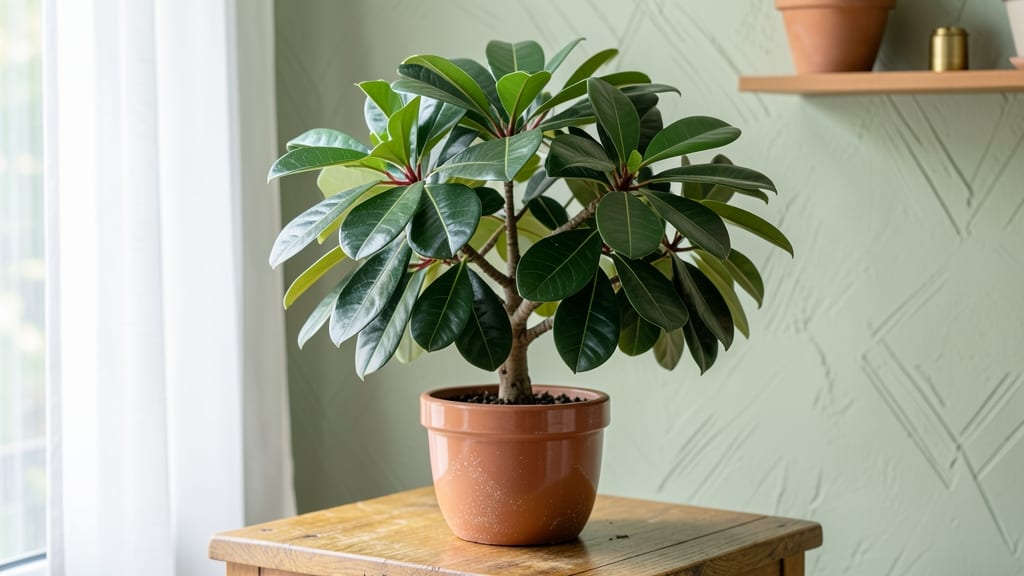
Have you ever wondered just how tall your 🌿 Umbrella Plant could grow if you gave it the perfect care? The answer might surprise you—indoors, these striking plants typically reach between 2 to 6 feet, but their height depends on light, pruning, and even the pot you choose.
If you're working with limited space, don't worry—with the right techniques, you can keep your Umbrella Plant compact and manageable. Whether you're growing the standard variety or a dwarf type like 'Amate,' understanding these growth factors will help you shape its height exactly how you want.
Outdoor conditions can push your plant toward its full potential, while indoor setups often result in slightly shorter growth. The key to controlling its size lies in pruning, repotting, and providing the ideal light exposure—all of which we’ll break down for you.
Want to keep your Umbrella Plant at a manageable height without sacrificing its lush foliage? Discover the best pruning and care tips to maintain the perfect size for your home or garden.


Umbrella plant height guide: expected growth ranges indoors
The umbrella plant (Aphelandra squarrosa) typically reaches heights between 12 to 36 inches indoors, depending on care and growing conditions. Unlike its outdoor counterparts, indoor plants grow slower due to limited light and space.
With ideal conditions, you can expect 18–24 inches as a standard mature height, making it perfect for shelves or countertops. Varieties like the 'Amate' tend to stay on the shorter side, while others may stretch taller if unchecked.
Understanding the growth factors is key to managing your plant’s height. Light exposure, pot size, and pruning habits directly impact how tall your umbrella plant becomes. For example, a plant in a small pot will grow slower than one in a larger container with room to expand.
Meanwhile, bright indirect light encourages vertical growth, while low light can stunt it. Let’s break down the specifics to help you predict and control your plant’s height.
🌱 Umbrella Plant Height Summary
| Factor | Indoor Height Range | Notes |
|---|---|---|
| Standard Variety | 12–24 inches | Compact growth with proper care. |
| Tall Varieties | 24–36 inches | Needs pruning to control height. |
| Low-Light Conditions | 12–18 inches | Slower growth, leggy stems. |
| Bright Light | Up to 36 inches | Faster, bushier growth. |
| Pruned Regularly | 12–24 inches | Encourages fuller, shorter growth. |
If you’re wondering how to encourage your umbrella plant to reach its full potential, focus on light placement. Position it near an east or west-facing window to provide bright indirect light without risking leaf burn. Avoid south-facing windows unless you filter the light with a sheer curtain.
The right light exposure can make the difference between a stunted 12-inch plant and a lush 30-inch beauty. Monitor your plant’s response—if the leaves start yellowing, it’s getting too much direct sun.
Another critical factor is pot size. A pot that’s too large can lead to overwatering and root rot, while a pot that’s too small will restrict growth. Choose a container that’s 2–3 inches larger in diameter than the plant’s current root ball.
This gives your umbrella plant room to grow without overwhelming it. For example, a 6-inch pot is ideal for a young plant, while a 10-inch pot can accommodate a mature specimen. Always ensure the pot has drainage holes to prevent waterlogging.
Pruning plays a huge role in managing your umbrella plant’s height. If you notice it stretching too tall or becoming leggy, trim the top few inches to encourage bushier growth. This not only controls height but also promotes denser foliage.
Use clean, sharp pruning shears and make cuts just above a leaf node. You can also pinch back new growth to keep the plant compact. Regular pruning every 3–4 months will help maintain your desired height and shape.
Varietal differences also affect height. The 'Amate' variety, for instance, tends to stay between 12–18 inches, making it ideal for small spaces. On the other hand, the 'Novate' variety can reach 24–36 inches if left unpruned.
If you’re growing multiple varieties, keep an eye on their growth habits and adjust your care routine accordingly. For example, taller varieties may need more frequent pruning to stay manageable.
One common mistake gardeners make is assuming that taller plants are always healthier. In reality, a short, bushy umbrella plant is often more vibrant and resilient than a tall, leggy one.
If your plant starts stretching toward the light, it’s a sign it needs more bright indirect light or a smaller pot to encourage root growth. Pay attention to these cues and adjust your care routine to keep your plant thriving at your desired height.
To summarize, the height of your umbrella plant depends on a combination of light, pot size, pruning, and variety. With the right conditions, you can easily manage its growth to fit your space.
Whether you prefer a compact 12-inch plant or a taller 30-inch statement piece, understanding these factors will help you achieve the perfect size for your home. Ready to take control of your plant’s height? Start by evaluating its current conditions and making adjustments as needed.
For more tips on keeping your umbrella plant at its best, explore our guide on pruning techniques or light management strategies tailored to indoor plants. Your plant’s height is just one part of its overall health—let’s make sure it thrives in every way! 🌿
Umbrella plant height guide: expected growth ranges indoors
Your umbrella plant (Aphelandra squarrosa) is a stunning houseplant with vibrant foliage, but its height can vary dramatically based on where you grow it. Indoors, most varieties reach between 12 to 36 inches at maturity, though some compact cultivars like 'Amate' stay under 24 inches.
The key difference? Indoor plants grow slower due to limited light and space compared to their outdoor counterparts.
Outdoor umbrella plants, when given full sun and ample room, can easily double in height, reaching 4 to 6 feet. However, most gardeners grow them indoors, where their height depends on light exposure, pruning habits, and pot size.
A well-lit east or west window can encourage taller growth, while low-light conditions may keep your plant shorter but bushier.
Here’s a quick breakdown of what to expect based on growing conditions:
| Growing Condition | Mature Height Range | Key Growth Factors |
|---|---|---|
| Indoor (Low Light) | 12–24 inches | Slow growth, leggy stems |
| Indoor (Bright Light) | 24–36 inches | Healthy, compact growth |
| Outdoor (Full Sun) | 4–6 feet | Rapid vertical growth |
| Compact Varieties (e.g., 'Amate') | 12–24 inches | Genetically smaller |
If you’re aiming for a taller umbrella plant, focus on placing it near a south-facing window or under grow lights. For a shorter, bushier look, prune regularly and rotate the pot to encourage even growth.
Remember, the pot size also plays a role—smaller pots restrict root growth, keeping the plant compact.
One common mistake is assuming all umbrella plants grow the same height. Dwarf varieties like 'Novate' rarely exceed 2 feet, while standard types can stretch toward 4 feet indoors with ideal care. Always check the variety’s description when buying to set realistic height expectations.
To maximize your umbrella plant’s potential, combine bright indirect light with regular pruning and balanced fertilization. This trio ensures your plant grows to its full height while staying healthy and vibrant. Need help adjusting its size? Pruning tips are coming up next!